







Can You Yoni Steam on Your Period?
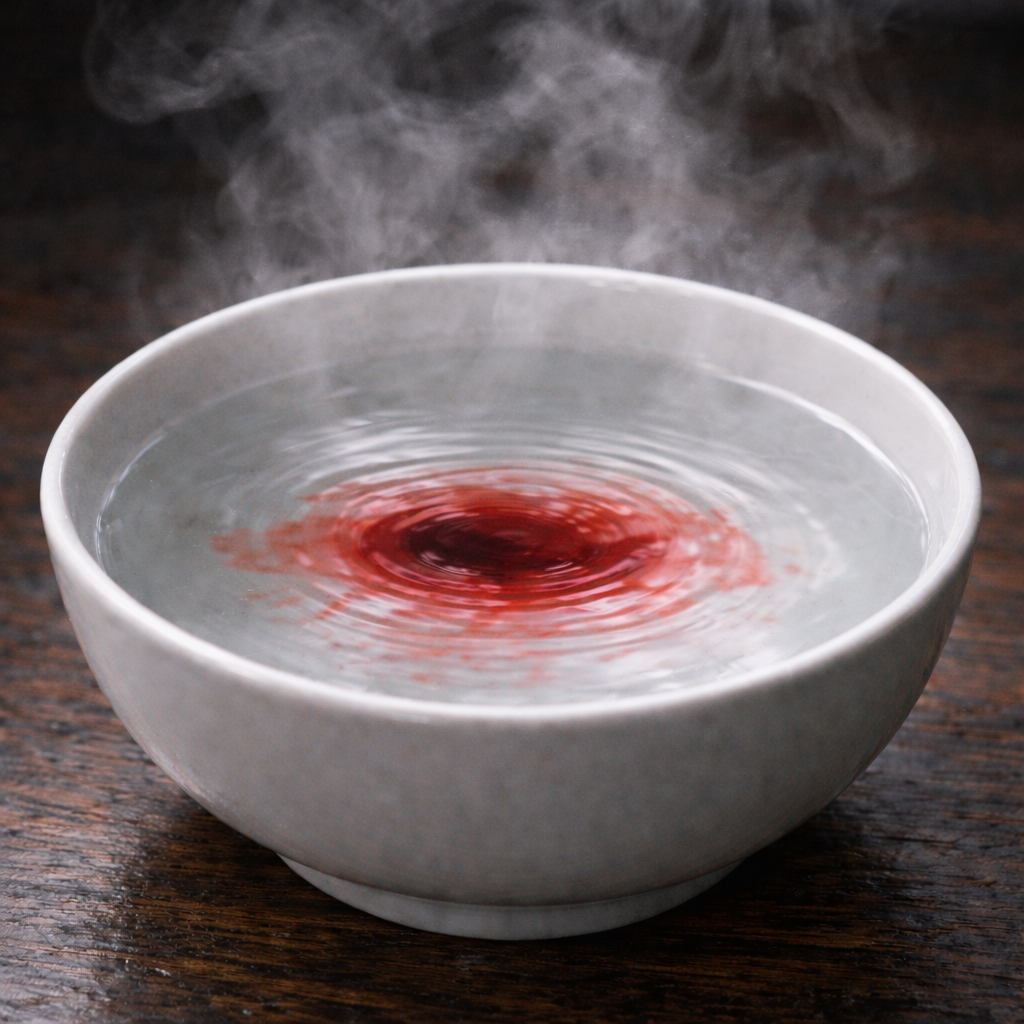
Yoni steaming has some seriously impressive benefits for the womb, from easing menstrual cycle cramps and clearing stagnation to supporting cycle regulation and overall vaginal health. But before you set up your herbal steam seat, there's one important question worth asking: can you yoni steam on your period?
The short answer is no. Steaming during active menstrual bleeding can increase circulation and blood flow to an area that's already highly active, leading to heavier bleeding, prolonged periods, and heightened sensitivity in the reproductive organs and the vaginal tissues. Your body is already doing profound work during your period and steaming at this time doesn't support that process, it overloads it.
But when timed correctly, yoni steaming can be a deeply nourishing, healing experience for your womb and your whole reproductive system.
Overview of Menstruation
Every month, your body runs an incredibly intelligent, orchestrated process of release and renewal.
When menstruation begins, your uterus starts contracting rhythmically to shed its lining, which is called the endometrium, which built up over the previous weeks in preparation for a potential pregnancy. These contractions are what cause cramping, and they're also what drives blood flow out of the body. At the start of your period you'll typically see bright red, fresh blood. As the days progress, you might notice darker clots as the uterus expels thicker tissue, and by the end, that familiar brownish discharge, which older blood that's been oxidised on its way out. All of it is normal. All of it is your body completing a process it knows how to do.
Blood circulation in the pelvic bowl is significantly elevated during menstruation. Your uterus and surrounding reproductive organs are engorged, active, and sensitive. This is important context for everything that follows.
Your vaginal environment is normally slightly acidic, and this acidity is maintained by Lactobacillus bacteria, which act as your first line of defence against infection. During menstruation, the pH of the vaginal canal rises as blood, which is alkaline, alters this delicate balance. Lactobacillus temporarily decreases, leaving the vaginal environment more vulnerable to disruption. It's a natural, temporary shift, but it does mean your reproductive system is in a more sensitive and exposed state while you're bleeding.
What Vaginal Steaming Actually Does
Vaginal steaming, known as pelvic steam therapy, V-steaming, or bajos in Latin American tradition, is the practice of sitting over a basin or specially designed steam seat or steam pot infused with medicinal herbs. The warm steam rises into the pelvic cavity and is absorbed through the highly permeable tissue of the vaginal canal and perineum, delivering both warmth and the therapeutic properties of the herbs directly to the reproductive organs.
The primary effect is increased circulation and warmth throughout the pelvic bowl. Together, the steam and herbs create a warming, activating, deeply therapeutic experience for the reproductive system.
Read: Vaginal Wellness: Tips, Nutrition, Care & What's Normal
Should You Steam on Your Period?
You should not yoni steam when on your period. Yoni steaming during active menstrual bleeding is not recommended, and the reasoning is rooted directly in what your body is already doing during this phase.
Steaming increases circulation and blood flow to the pelvic area. During menstruation, that's the last thing you need more of. Your uterus is already contracting, your pelvic organs are already engorged with blood, and your entire reproductive system is in a heightened, active state. Adding steam into that environment is like pouring water into a pot that's already boiling over, it doesn't help, it escalates. The result can be noticeably heavier bleeding, a period that drags on longer than usual, or intensified cramping as the uterus responds to the additional stimulation.
Your reproductive organs are also at peak sensitivity during menstruation. The cervix slightly opens to allow the uterine lining to pass, meaning the internal environment is more exposed and reactive than at any other point in your cycle.
Then there's the microbiome concern. As we covered earlier, your vaginal pH is already disrupted during your period. The warm, moist environment created by steaming can further tip that bacterial balance, creating ideal conditions for yeast overgrowth, bacterial vaginosis, or a UTI to take hold. These are infections that can take weeks to resolve and leave your vaginal health worse off than before you started.
When to Avoid Yoni Steaming During Your Menstrual Cycle
Beyond menstruation, there are several other situations where steaming is either not appropriate or needs to be approached with real care and professional guidance.
-
Active menstruation or spontaneous heavy bleeding is always a contraindication, this includes unexpected mid-cycle spotting or any episode of heavier-than-normal bleeding, not just your regular period.
-
Fibroids, pelvic floor dysfunction, or existing pelvic health conditions require careful consideration. The heat and increased circulation from steaming can aggravate fibroids or put additional pressure on a pelvic floor that's already under strain. If any of these apply to you, work with a practitioner before incorporating steaming into your routine.
-
Active vaginal infections, including yeast infections, bacterial vaginosis, or any STI, are a firm no. Even though many steam herbs carry antimicrobial properties, the warm and moist conditions of a steam session can worsen an existing infection rather than resolve it.
-
Pregnancy is a clear and non-negotiable contraindication. Certain herbs can trigger contractions, which poses a genuine risk during pregnancy at any stage.
-
Early postpartum recovery also requires caution. While vaginal steaming is actually a revered postnatal tradition in many cultures, it needs to be introduced thoughtfully and at the right stage of healing, not in the immediate days or weeks following birth, and ideally under guidance.
-
If you use a menstrual cup, remove it entirely before any steam session. If you're on hormonal contraceptives or have any hormone-sensitive conditions or medical sensitivities, it's worth having a conversation with your healthcare provider before you begin steaming regularly.
Read: How to Do a Yoni Steam for Fertility: Step-by-Step Instructions
When a Steam Session Is More Appropriate
When timed with your cycle, steaming becomes one of the most supportive things you can do for your reproductive health.
The sweet spot most practitioners recommend is immediately after your period ends, which is the early follicular phase, when bleeding has fully stopped and your body has completed its release. This is the ideal window for steaming. Your womb has just gone through an entire shedding cycle and is beginning to rebuild. A steam session at this point helps clear any residual material that may still be sitting in the uterus, supports healthy circulation in the pelvic bowl, and creates a clean, nourished foundation for the rest of your cycle.
The premenstrual phase, which is the week or so leading up to your period is another powerful time to steam. This is when many women experience pelvic congestion, cramping, bloating, lower back tension, and the kind of emotional heaviness that signals the body is preparing for a big shift. Steaming during this window can help ease the transition into menstruation and support the body in moving through the bleed with more ease and less resistance.
Beyond these two windows, regular steaming throughout the cycle but outside of menstruation can be genuinely transformative. Women with irregular periods, painful cycles, or a history of reproductive health challenges often find that consistent, well-timed steaming supports the body in finding its natural rhythm again. It won't replace medical care where that's needed, but as part of a broader practice of reproductive self-care, it's a tool worth taking seriously.
Yoni Steaming Tips
Start gently and mind the heat
When introducing steam, always begin with hot water that is warm, not scalding. The water temperature should feel soothing, never intense. Hot steam should rise softly; if it feels sharp or uncomfortable, it’s a sign of too much heat or excess heat. Adjust immediately to avoid burns and irritation.
Follow a sensible steam schedule
A consistent but light steam schedule is key. Most people benefit from steaming 1–2 times a week, depending on their cycle and goals. Yoni steaming may support relaxation and increase blood flow, but steaming too often can overwhelm the body. Steaming may feel nourishing in the short term, yet balance comes from moderation.
Timing matters with your cycle
Avoid steaming during an active bleed, fresh spotting, or spontaneous bleeding unless guided by an experienced practitioner. If you experience heavy flow, short menstrual cycles, or even two periods in one cycle, steaming less, not more, is usually wiser. For period cramps, gentle steaming before menstruation (not during) is often preferred and may help the pelvic muscles relax.
Be cautious with hormones, fertility, and contraception
Those trying to conceive sometimes explore steaming as part of increasing fertility, but timing is crucial. Avoid steaming after ovulation, during the implantation window, or if you might be pregnant. Steaming while on birth control should be done sparingly, as hormones are already being externally regulated. When used thoughtfully, steaming is sometimes associated with balancing hormones, supporting hormonal balance, and encouraging a balanced cycle, but it is not a quick fix.
Know when not to steam
Do not steam if you have an active infection, unexplained irritation, or persistent discomfort in the vagina. Steaming is not meant to “treat” infections. If you experience ongoing symptoms like vaginal dryness, burning, or recurrent spotting, pause and reassess. Yoni steaming may be supportive, but it should never replace medical care.



Leave a comment