















What Is Locktober? Inside the 31-Day Chastity Challenge

Locktober is an annual challenge held every October in which participants commit to 31 days of chastity and orgasm denial. For many, that means wearing a chastity device for the entire month.
It started as a niche corner of kink culture and has grown into a widely-recognised event, with communities forming across Reddit, TikTok, and dedicated forums. Locktober, at its core, is about power exchange and the deliberate surrender of sexual control to a partner, or to yourself, and the heightened awareness that tends to follow.
This guide covers what Locktober actually is, how the challenge works in practice, and what participants say they get out of it.
What Is The Locktober Challenge?
Locktober is an annual chastity play challenge held every October. Participants wear a long term chastity device like a cage locked over the genitals for the entire month and commit to no orgasms for 31 days.
The name is straightforward: "lock" plus "October." The challenge first appeared on kink forums and Tumblr around 2015, spread through Reddit and FetLife, and has grown steadily since. A dedicated subreddit, r/locktober launched in 2019 has over 41,000 members by 2026. Broader chastity communities on Reddit now exceed 300,000 members. Platforms like EmlaLock and TeamLocked were built specifically around it, letting participants track their progress and verify compliance through timed check-in photos.
How the Challenge Works
You get locked on October 1st, and unlocked on November 1st.
Some people self-lock and hold their own key. Others hand the key to a partner, a Dom, or an online keyholder, sometimes someone they've never met in person. In those arrangements, keyholders often require timed photo check-ins as proof of compliance. The sub photographs themselves in the device within a set window when asked, or forfeits agreed consequences.
The experience tends to follow a predictable arc. The first week is driven by novelty. By week two, arousal becomes more persistent. Week three is where participants consistently report the more significant shifts like heightened physical sensitivity and a quality of arousal that practitioners describe as more present and harder to ignore. Many report discovering erogenous zones they hadn't paid attention to before, simply because the usual route to stimulation was physically unavailable.
Read: How to Feel Pleasure & Re-awaken the Erotic Self
Locktober vs. No Nut November
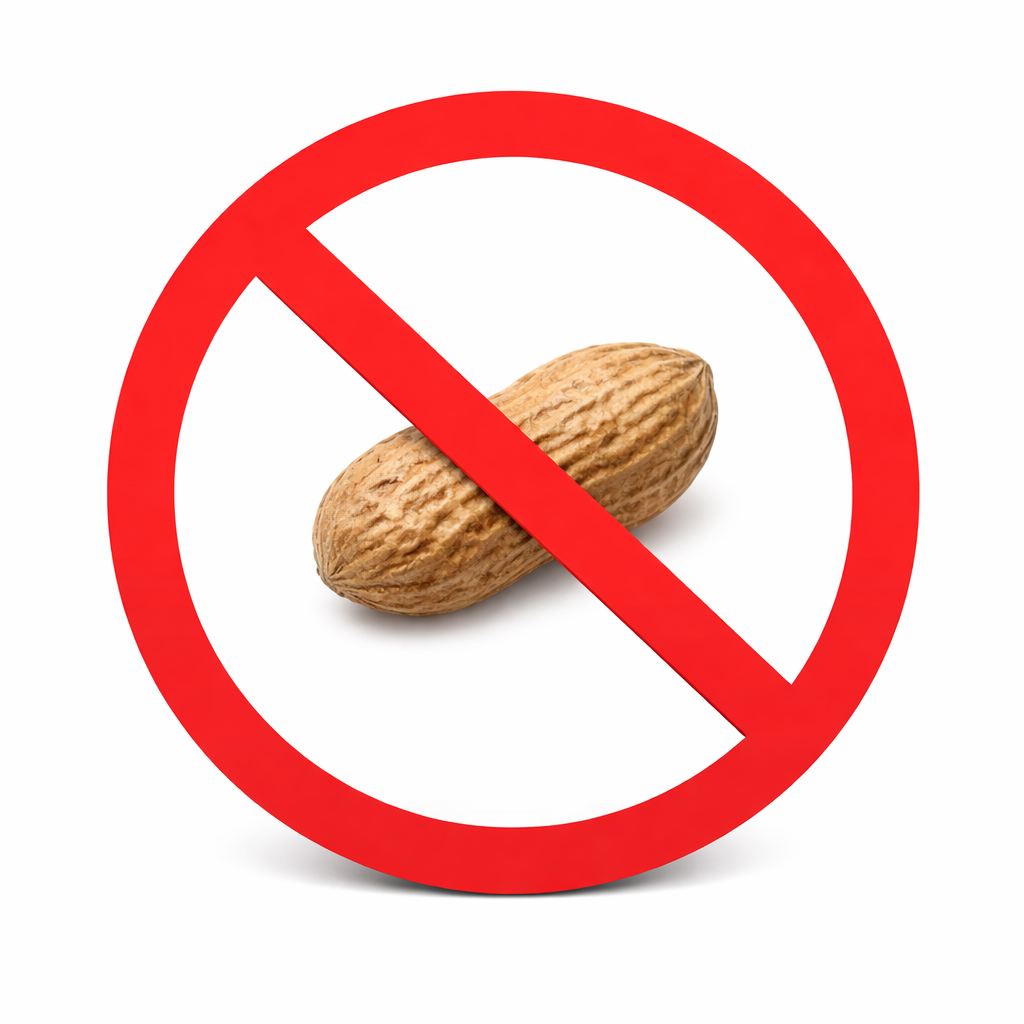
No Nut November is an annual internet challenge observed every November in which participants, which are almost exclusively men, voluntarily abstain from masturbation and orgasm for the entire month. In this practise, men are willingly practicing semen retention. The only thing keeping participants from orgasming is their own decision not to.
Locktober removes the element of choice entirely. The cage makes orgasm physically impossible without a key that isn't in the participant's possession. There's nothing to resist because there's no available action to resist. That's a fundamentally different psychological experience, bringing surrender to a constraint that exists outside the self.
No Nut November has gone fully mainstream and is now as much meme as practice. Locktober stayed rooted in kink communities where the conversations are specific, the stakes feel real, and the focus is on what the power dynamic between keyholder and wearer actually produces over 31 days.
Why People Participate in Locktober

Power Exchange and Submission
For participants in Dom/sub dynamics, Locktober is a month-long extension of an existing power exchange. The sub hands over the key on October 1st, and from that point, release happens when the Dom decides, not when the sub wants it. The device makes that dynamic concrete in a way that agreed-upon rules alone don't. There's no negotiating with a locked cage.
Sexual Teasing and Denial
Orgasm denial works on a straightforward psychological mechanism that when something is restricted, the brain registers it as more significant. Desire intensifies and becomes more focused. Participants consistently report that arousal becomes more persistent and harder to background as the month progresses.
With the primary route to stimulation physically blocked, participants are forced to redirect sexual energy to anal play, nipple stimulation, or other forms of touch that often go unexplored when penetrative sex and masturbation are available. Many describe discovering erogenous zones they hadn't paid attention to before. The restriction, in practice, expands the map.
Read: How to Get Sensation Back as a Woman: A Guide to Rebuilding Pleasure
Discipline and Self-Control
Not everyone who participates is in a power exchange relationship. A significant portion of Locktober participants do it alone, framing the challenge as a discipline practice and a structured test of patience and self-mastery with a defined end date.
The psychology here mirrors what we see in other delayed gratification contexts such as athletes training for months toward a single competition or people saving money toward a distant goal. Waiting changes how the reward feels. For solo participants, the 31-day structure provides a container with clear stakes and a clear finish line.
How Abstaining From Sex Can Intensify Desire
The Psychology of Denied Pleasure
The standard explanation for why orgasm denial works is dopamine. Dopamine increases when we expect a reward but must wait for it. It keeps us focused on what's coming and makes us feel more emotionally involved. What this means in practice is that desire doesn't flatten out during Locktober. For most participants, it accumulates.
Sexual pleasure has two distinct phases, appetitive and consummatory. The appetitive state is arousal, desire, and wanting, driven by anticipation of reward. The consummatory state is the act itself. Orgasm denial keeps the body locked in the appetitive phase indefinitely. The wanting intensifies without the release that would reset it. After orgasm, prolactin surges and acts as a dopamine inhibitor, curtailing sex drive and producing satiation. Remove orgasm from the equation for 31 days, and that reset never happens, and arousal accumulates on top of itself.
Read: Slow Pleasure as the Antidote to Death Grip Syndrome
Why Frustration Can Become Erotic
Frustration, when it's deliberate and consensual, can be one of the most erotic experiences available to a person. The longer desire builds without resolution, the more charged everything becomes. This is the mechanism behind tease and denial, and it works with or without a chastity device, and across all genders.
For women especially, controlled denial can produce arousal more intense than direct stimulation ever does. When a partner gets close and then pulls back, when orgasm is withheld at the edge, when the body is kept in a sustained state of wanting, desire stacks rather than plateaus. Women who've experienced extended tease and denial consistently report that the eventual orgas, when it's finally allowed, is incomparable to anything produced by straightforward stimulation.
What Long-Term Sexual Denial Feels Like

Week One
Week one of the Locktober challenge is, by general consensus, the easy part. The decision is fresh, the structure is new, and there's something genuinely exciting about having chosen this. There is a heightened awareness of the body and what it wants that feels more like anticipation than deprivation. For anyone new to chastity kinks, this week tends to feel like confirmation that the idea was worth acting on. You're locked, you're curious, you're maybe a little smug about it. Good. Enjoy it.
Arousal in week one is still responsive and situational. It shows up when triggered, then clears. The discipline required is mostly about staying committed to the decision rather than wrestling the body into submission. Most people describe this week as surprisingly doable.
Week two will correct that impression.
Week Two
Week two, the novelty is gone. Being locked for the entire month is no longer an exciting concept, it's a physical reality with 23 days still left on the clock, which suddenly feels like a very long time.
Arousal becomes persistent in a way it wasn't before. Things that wouldn't normally register start registering. You will become briefly convinced that everyone around you is extraordinarily attractive. They are not. This is just week two.
Mood shifts too. A denied orgasm has nowhere to go, and that frustration bleeds outward, into irritability, lower stress tolerance, an emotional rawness that catches people off guard. Those in keyholder dynamics report needing more communication during this week than at any other point in the month, because sustained denial surfaces vulnerability that sexual release would ordinarily smooth over.
Week Three
Week three is where it gets genuinely hard, and, paradoxically, genuinely interesting.
After 21 days of denial, the body is fully sensitised. Arousal that was persistent in week two becomes almost continuous. Ordinary physical contact carries more charge than usual. Erogenous zones that normally go unnoticed become suddenly specifically significant, because the default route to pleasure has been blocked long enough that desire has had to find somewhere else to go. The pleasure that would ordinarily resolve into orgasm has been accumulating instead, and the body is very aware of this fact.
There is irritability and emotional sensitivity running high enough that communication with a partner stops being optional and becomes essential. But the relationship to the body shifts in a way that ordinary sexual activity simply doesn't produce. Control over desire, sustained across a full month, starts generating a quality of physical awareness that most people have never accessed before.
Week three is miserable and revelatory at the same time, and most people who complete Locktober point to it as the reason they'd do it again.
Week Four
The temptation to end it early is sharpest here, precisely because the finish line is visible. One experienced participant described the last stretch of 31 days as always the hardest. The body has been in a state of denied orgasm for three weeks. Everything associated with the approach of releas becomes loaded in a way that's almost absurd.
The orgasm that ends a full month of denial is described, almost universally, as incomparable. It is more full-body, more emotionally present, and longer-lasting than anything produced by ordinary sexual activity.
Conclusion
Locktober presents an intriguing sitiatuon. What happens to desire when you remove the ability to act on it?
For some participants the answer is straightforwardly erotic with 31 days of accumulating tension that pays off spectacularly on November 1st, and that's enough. For others, a full month of sustained denial changes the relationship to the body, to a partner, and to pleasure itself in ways that are genuinely difficult to anticipate going in.
Locktober can also just be uncomfortable, logistically annoying, and deeply anticlimactic. A poorly fitted cage, a badly negotiated dynamic, or weeks of frustration with nothing to show for it, that's a real possible outcome too. Whether the experience becomes something meaningful depends almost entirely on how deliberately someone enters it.





Leave a comment