











How to Make Yoni Tea Safely Using Herbal Ingredients
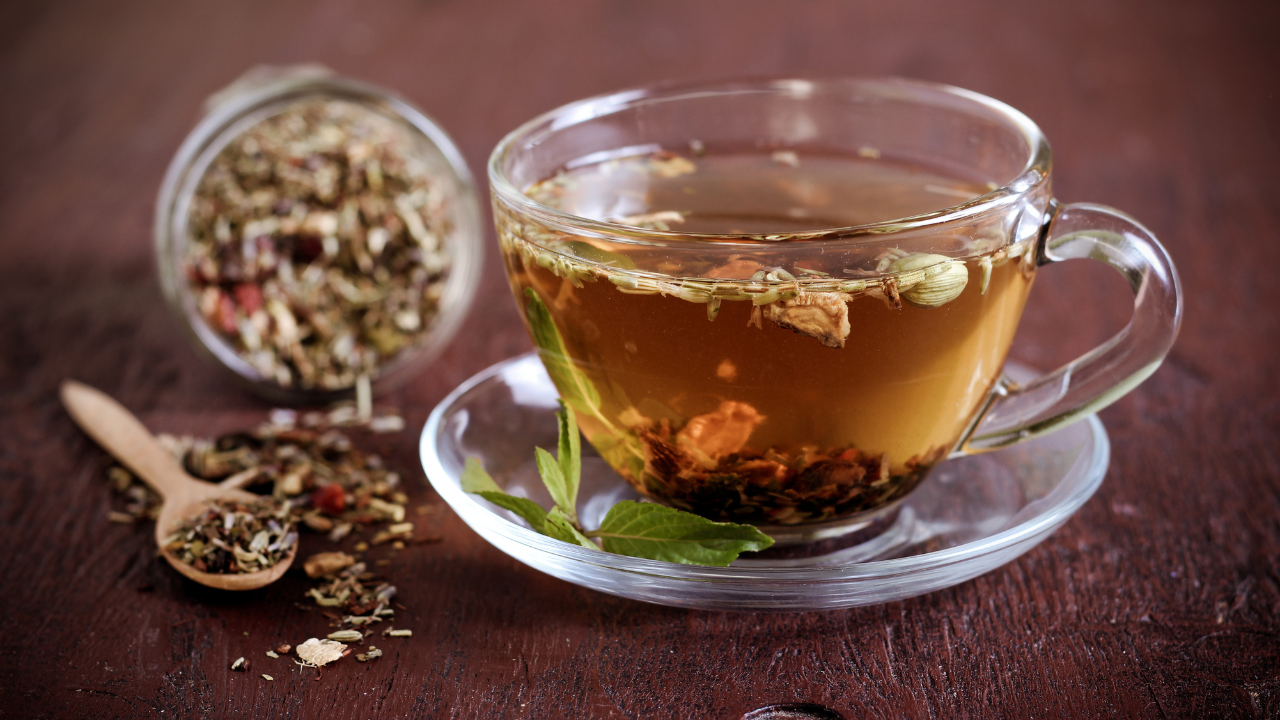
Yoni tea is a warm, nourishing herbal infusion crafted to support the female reproductive system. For centuries, women across African, Caribbean, Ayurvedic, and Indigenous healing traditions have passed down these sacred recipes through generations, carefully selecting herbs.
In this guide, we're honoring that legacy by sharing the traditional herbs that are trusted. We will also walk you through how to prepare your own yoni tea safely at home.
This article focuses exclusively on drinkable yoni tea which are herbal blends that are prepared as a beverage and consumed orally. This is not the same as yoni steaming, which uses entirely different herbal mixtures designed for external vaginal use.
The History of Yoni Tea
In parts of West and Southern Africa, women traditionally prepared gentle infusions using rooibos, imphepho (African everlasting), wild sage, and marula bark. These herbs were valued for their calming, cleansing, and anti-inflammatory properties and were often used after menstruation or childbirth to restore balance and warmth to the pelvic space. Rooibos, in particular, was prized because it is naturally caffeine-free and gentle enough for regular use.
In South and Southeast Asia, Ayurvedic traditions worked with herbs like shatavari, ginger, fennel seed, coriander, and rose petals. These blends were commonly consumed as teas and were designed to nourish reproductive tissues and support hormonal balance. Shatavari was considered an important herb for the female reproductive system.
Meanwhile, in Traditional Chinese herbal practice, uterine-supporting teas often included dong quai, red dates (jujube), goji berries, ginger, and licorice root. These mixtures helped with improving circulation and easing menstrual stagnation.
Read: 30 Foods for Vaginal Health You Should Be Eating Daily
Core Herbs Commonly Used in Yoni Tea
Foundational Uterine & Cycle Herbs
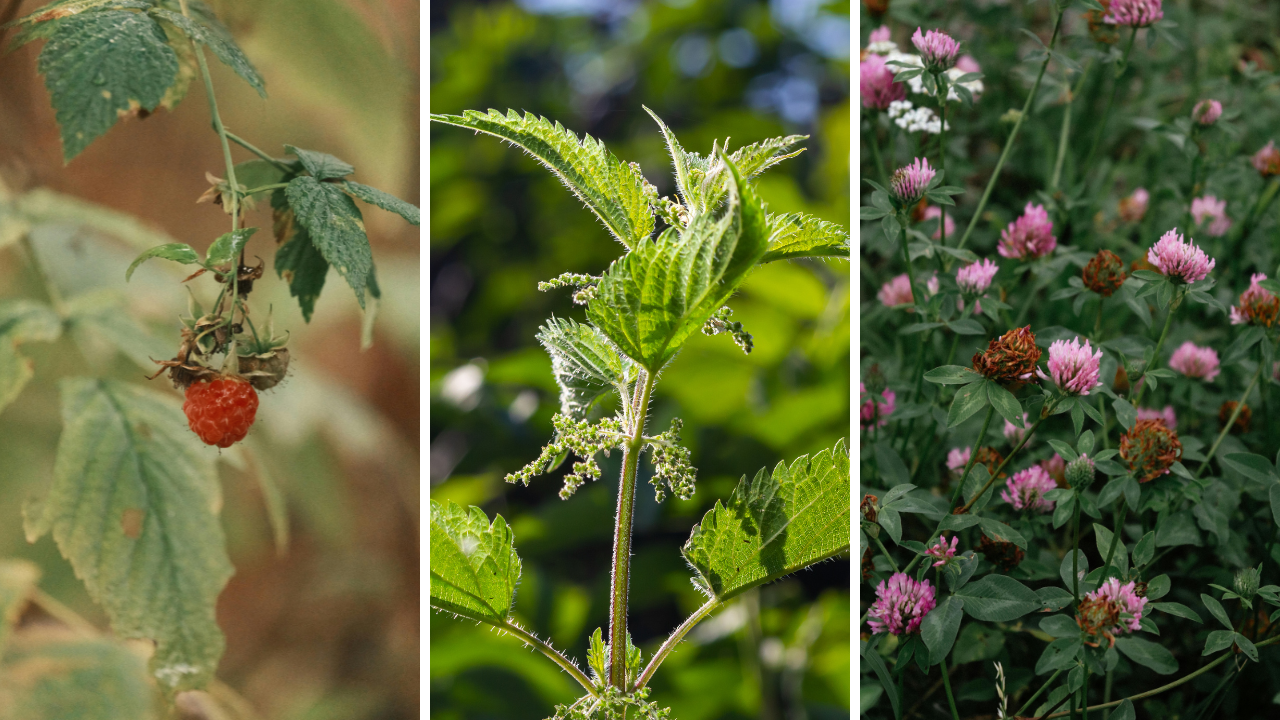
Red Raspberry Leaf (Rubus idaeus)
Red raspberry leaf is often described as a “uterine tonic,” that helps the womb do its job with less strain. It should be reacched for when cycles feel chaotic, crampy, or inconsistent. Raspberry leaf supports the muscular integrity of the uterus, helping contractions feel more coordinated and less painful.
Nettle Leaf (Urtica dioica)
Nettle is prized for its exceptionally high mineral content, particularly iron, magnesium, calcium, and trace minerals that are often depleted during menstruation. It is frequently chosen when cycles feel heavy, draining, or energetically exhausting, or when fatigue and water retention accompany hormonal shifts. Beyond mineral support, nettle also helps calm systemic inflammation and supports healthy blood quality, making it a deeply restorative herb for the reproductive system.
Red Clover (Trifolium pratense)
Red clover has traditionally been used in hormone-supportive tea blends, especially during times of transition such as postpartum recovery or perimenopause. It supports gentle hormone balance by improving circulation and assisting the body’s natural detoxification pathways, rather than directly altering hormone levels. Its mild phytoestrogenic qualities are subtle and supportive, making it a popular choice for blends aimed at long-term reproductive health.
Nervous System, Stress & Hormonal Support Herbs
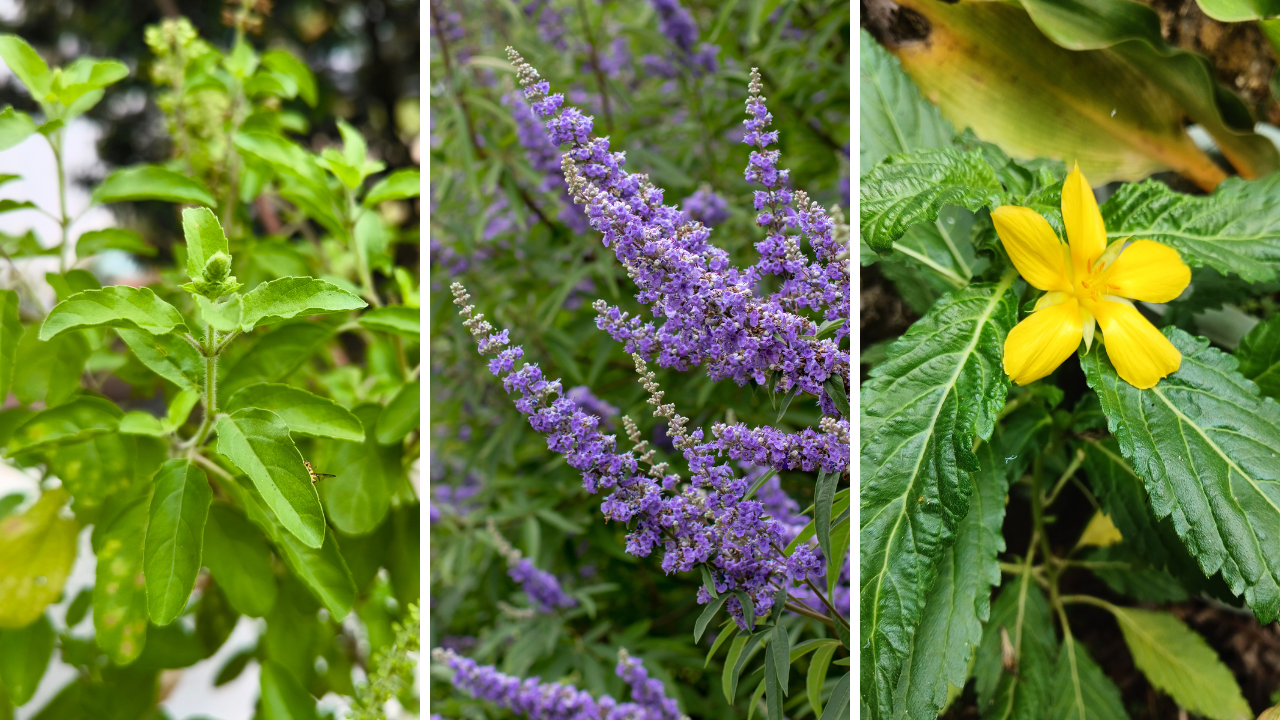
Holy Basil / Tulsi (Ocimum sanctum)
Tulsi is an adaptogenic herb revered for its ability to support the nervous system and help the body adapt to stress. Chronic stress has a profound impact on menstrual regularity and hormonal balance, and tulsi helps regulate cortisol levels, supporting the adrenal glands.
Chaste Berry / Chaste Tree Berries (Vitex agnus-castus
Chaste berry has a long history of use in traditional hormone-balancing formulas, particularly for cycle irregularities and premenstrual discomfort. It influences the communication between the pituitary gland and the ovaries. Because of its potency, chaste berry is typically used in small amounts and for defined periods rather than as a daily tonic.
Damiana Leaf (Turnera diffusa)
Damiana is traditionally associated with pelvic vitality and improved blood flow to the reproductive organs. It has warming and gently stimulating qualities that support circulation while also uplifting mood and easing nervous tension.
Circulation, Warmth & Cramp-Support Herbs
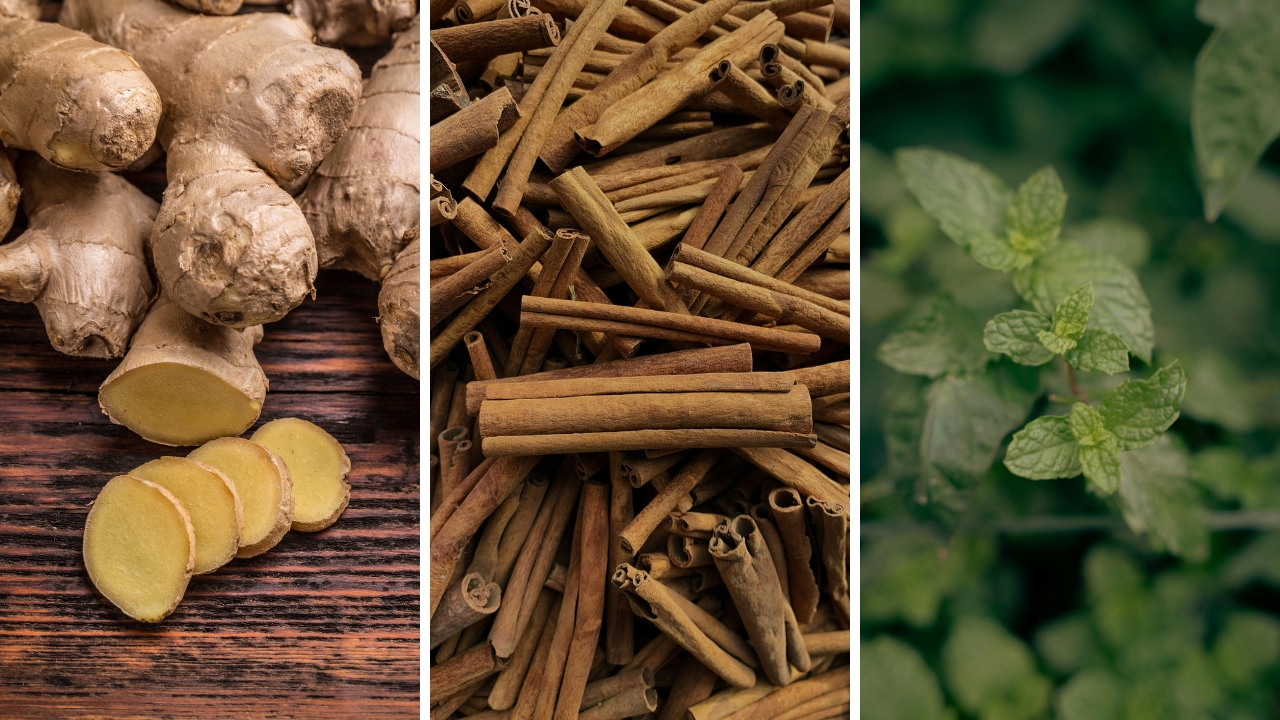
Jamaican Ginger (Zingiber officinale)
Ginger has long been used to warm the body and encourage healthy circulation, particularly in the pelvic region. It is commonly included in yoni teas to ease menstrual cramps and support digestion. Ginger’s ability to move stagnant energy and blood makes it especially helpful for painful or sluggish cycles, while its digestive support helps prevent bloating and nausea.
Cinnamon Bark (Cinnamomum verum)
Cinnamon bark supports circulation and helps relieve stagnation in the womb and lower abdomen. Traditionally used in small amounts, it brings warmth and balance to yoni tea blends without overwhelming the system.
Egyptian Peppermint (Mentha piperita)
Peppermint is valued for its ability to soothe the digestive system and ease cramping. In yoni tea blends, it is used gently to help relieve bloating and pelvic tension while also enhancing flavour and drinkability. Its cooling nature provides balance when warming herbs like ginger or cinnamon are present.
Soothing & Mucosal Support Herbs
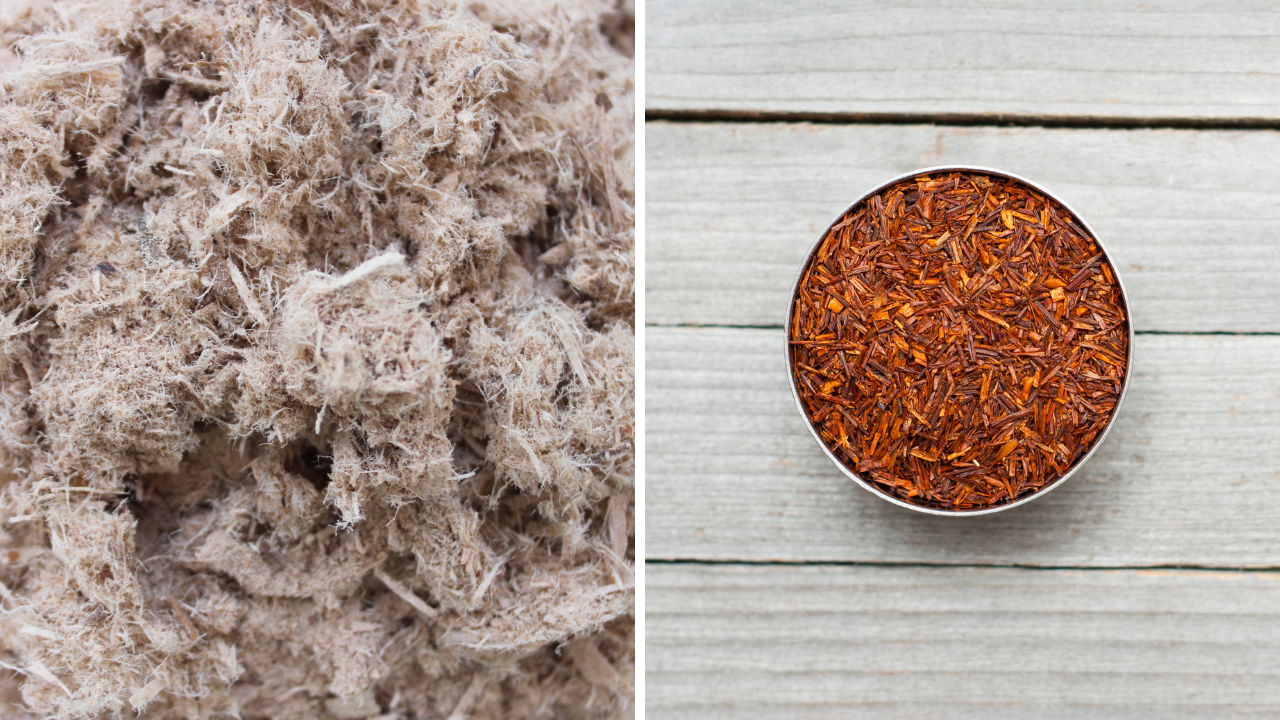
Slippery Elm Bark (Ulmus rubra)
Slippery elm is known for its demulcent properties, meaning it helps soothe and protect mucous membranes throughout the body. It is often used when dryness or irritation is present, supporting internal hydration from the digestive tract outward.
Red Rooibos Tea (Aspalathus linearis)
Rooibos is a naturally caffeine-free herb native to Southern Africa and is frequently used as a base for yoni tea blends. Rich in antioxidants and gentle on the digestive system, rooibos supports overall wellness without stimulating the nervous system.
How to Make Herbal Tea For The Yoni
|
Herb |
Primary Role |
Form Used |
Preparation Method |
Notes for Blending |
|---|---|---|---|---|
|
Red Raspberry Leaf |
Uterine tone, cycle support |
Leaf |
Infusion |
Excellent base herb for daily or cyclical use |
|
Nettle Leaf |
Mineral replenishment, fatigue support |
Leaf |
Infusion (long steep) |
Ideal for heavy cycles or low energy |
|
Red Clover |
Hormonal balance, circulation |
Flower |
Infusion |
Gentle, supportive, best used in moderate amounts |
|
Holy Basil (Tulsi) |
Stress regulation, adrenal support |
Leaf |
Infusion |
Useful when stress affects the cycle |
|
Chaste Berry |
Cycle regulation, hormone signalling |
Berry |
Decoction |
Potent; use with cycle awareness, not daily long-term |
|
Damiana Leaf |
Pelvic vitality, circulation |
Leaf |
Infusion |
Adds warmth and mood support |
|
Jamaican Ginger |
Cramp relief, circulation |
Root |
Decoction |
Use sparingly for warmth and movement |
|
Cinnamon Bark |
Circulation, stagnation |
Bark |
Decoction |
Strong; small amounts only |
|
Egyptian Peppermint |
Digestive ease, cramp relief |
Leaf |
Infusion |
Cooling; balances warming herbs |
|
Slippery Elm Bark |
Mucosal hydration, gut soothing |
Bark |
Decoction |
Best for dryness; thickens tea slightly |
|
Red Rooibos |
Antioxidant support, gentle base |
Leaf |
Infusion |
Caffeine-free, ideal daily base |
Yoni Tea Blends for Reproductive Health
Menstrual Support Tea (For Cramps & Discomfort)
Ingredients
-
1 tbsp red raspberry leaf
-
1 tsp Jamaican ginger (fresh sliced or dried)
-
½ tsp cinnamon bark
-
1 tsp Egyptian peppermint
-
1 tsp chamomile or rose petals
Simmer the ginger and cinnamon in 2 cups of water for 20 minutes. Remove from heat, add the emaining herbs, cover, and steep for 15 minutes. Strain and drink warm.
Begin 1–3 days before menstruation and continue through the first few days of bleeding.
Womb Wellness / Heavy Cycle Tea
Ingredients
-
1 tbsp nettle leaf
-
1 tbsp red raspberry leaf
-
1 tbsp red rooibos
-
1 tsp red clover
-
1 tsp oat straw
Pour just-boiled water over herbs, cover, and steep for 20–30 minutes for a mineral-rich infusion. Strain and drink warm or at room temperature.
Best used after menstruation and through the follicular phase.
Hormone Balance Tea
Ingredients (Loose Herbs)
-
1 tbsp holy basil (tulsi)
-
1 tbsp nettle leaf
-
1 tsp damiana
-
½ tsp red clover
-
¼ tsp chaste berry (optional, use with awareness)
If using chaste berry, lightly simmer it in water for 20 minutes. Remove from heat, add remaining herbs, cover, and steep for 15 minutes. Strain before drinking. Can be used throughout the cycle, with special benefit during the luteal phase.
Fertility & Cycle Awareness Tea
Purpose
To support the menstrual cycle as a whole and deepen awareness of fertile and non-fertile phases.
Ingredients (Loose Herbs)
-
1 tbsp red raspberry leaf
-
1 tbsp nettle leaf
-
1 tbsp red rooibos
-
1 tsp rose petals
-
1 tsp damiana
Preparation
Prepare as an infusion. Pour hot water over herbs, cover, and steep for 20 minutes. Strain and drink warm.
When to drink
Use during the follicular phase and leading up to ovulation. Reduce or pause after ovulation.
Notes
This tea complements cycle tracking practices rather than replacing them.
Menopause Tea
Ingredients (Loose Herbs)
-
1 tbsp red rooibos
-
1 tbsp holy basil (tulsi)
-
1 tsp hibiscus
-
1 tsp rose petals
-
1 tsp slippery elm bark
-
½ tsp peppermint
Simmer slippery elm bark in water for 20 minutes. Remove from heat, add remaining herbs, cover, and steep for 15 minutes. Strain well.
Can be enjoyed daily or as needed, especially during times of heat, irritability, or dryness.
Safety, Awareness & When to Be Cautious
Herbs commonly avoided during pregnancy or breastfeeding
During pregnancy and breastfeeding, avoid herbs that stimulate the uterus, strongly affect hormone signalling, or aggressively move circulation. This includes chaste berry (vitex), damiana, large amounts of warming spices like ginger, cinnamon, and cloves, as well as circulation-stimulating herbs. Detox or laxative herbs such as senna, cascara sagrada, and aloe latex should also be avoided.
Potential interactions with hormonal birth control
If you are using hormonal birth control, be cautious with herbs that influence hormonal communication or liver processing of hormones. This includes chaste berry, mildly phytoestrogenic herbs like red clover, strong liver-support or detox blends, and long-term use of hormone-targeted yoni tea formulas.
Potential interactions with hormone replacement therapy (HRT)
When using hormone replacement therapy, avoid combining it with herbs that actively influence estrogen or progesterone pathways. Chaste berry, red clover, hormone-focused yoni tea blends, and strong adaptogenic or endocrine-active herbs may alter how the body responds to externally supplied hormones.
Conditions that require extra care
Yoni tea should be approached gently and individually if you have PCOS, uterine fibroids, ovarian cysts, irregular or unexplained bleeding, or a history of hormone-sensitive conditions. In these cases, aggressive or highly targeted blends are best avoided.
Read: Vaginal Wellness: Tips, Nutrition, Care & What's Normal



Leave a comment