











Can Uterus Prolapse Be Reversed Naturally?

Table of Contents
Uterine prolapse is when the womb slips down from its usual place and descends into the vaginal canal, a physical sign that the pelvic floor’s supportive bowl of muscles and ligaments has weakened or been stretched beyond its capacity.
Clinically this can be graded from mild (the uterus nudges downward) to more advanced descent (the cervix or uterus reaches the vaginal opening).
Uterine prolapse cannot be fully reversed. But with informed, consistent care through simple manual therapies and supportive tools you can often reduce symptoms and slow or sometimes halt further descent.
Causes & Risk Factors of Pelvic Organ Prolapse
-
Pregnancy and vaginal childbirth
-
Chronic constipation and straining
-
Chronic coughing
-
Heavy lifting
-
Menopause and low estrogen
-
Genetic connective tissue laxity
-
High body weight
-
Previous pelvic or abdominal surgeries
-
Aging and natural loss of muscle tone
-
High-impact exercise over long periods
-
Hormonal changes
-
Pelvic trauma
-
Chronic pelvic tension and dysregulated nervous system
Read: How I Healed My Prolapse
Prolapse Symptoms
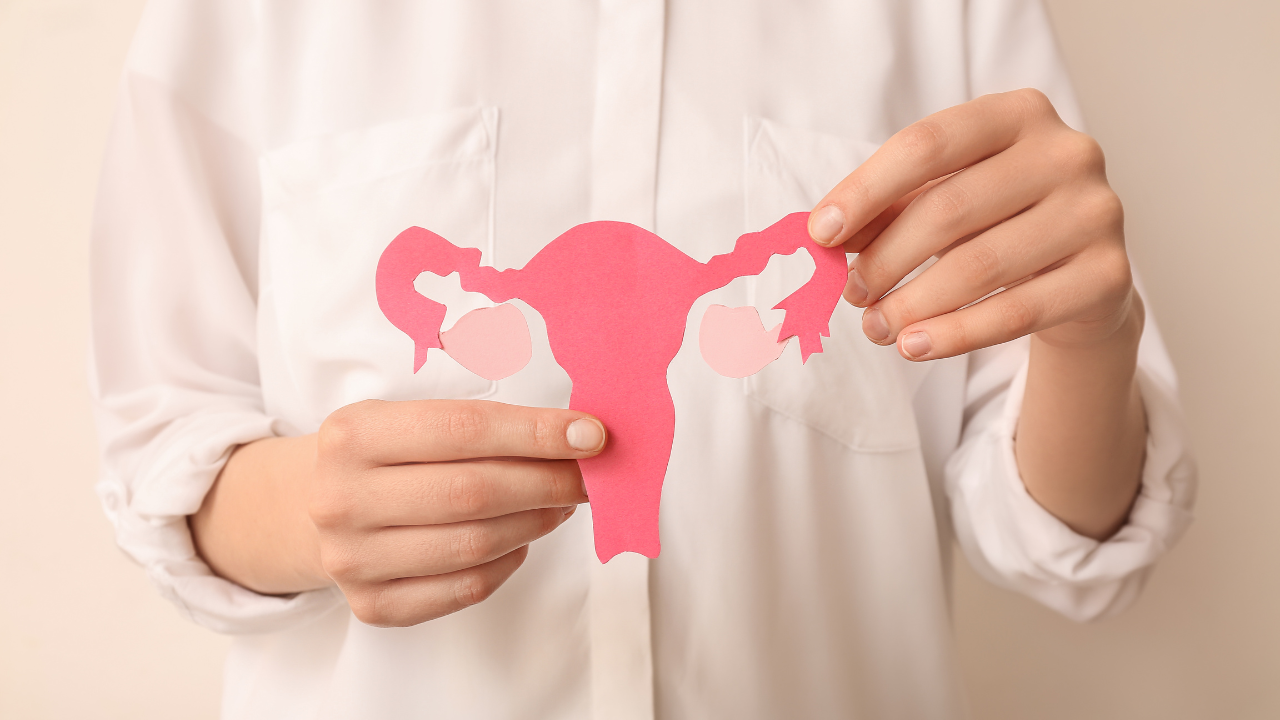
1. Pelvic Heaviness or a Dragging Sensation: One of the earliest and most universal symptoms is a deep, low heaviness in the pelvis and a feeling as if the center of your body is slowly being pulled downward.
2. A Visible or Palpable Vaginal Bulge: Many women first notice prolapse when they feel a small bulge while wiping or showering, or when they catch sight of tissue at the vaginal opening.
3. Sensation of Something “Falling Out”: This is often described as the feeling of a tampon sitting too low or slipping out. It’s a sensation of pressure or fullness that wasn’t there before.
4. Discomfort or Pain During Sex: As the uterus drops, the shape and angle of the vaginal canal changes. What was once smooth and receptive can feel tender or awkward. For some women, deep penetration creates a pressure or ache that wasn’t present before.
5. Urinary Symptoms: Because the bladder sits directly in front of the uterus, even a mild descent can shift the bladder’s position. This may lead to leaking when coughing or laughing or difficulty fully emptying the bladder.
6. Bowel Symptoms: When prolapse alters the structure of the vaginal canal, the rectum, which rests behind it can also be affected. Some women find they need to strain more to pass stool, or they experience a stubborn feeling of incomplete emptying.
7. Lower Back or Sacral Ache: The uterus is anchored by ligaments that attach to the sacrum and lower spine. When these ligaments stretch, fatigue, or shift under the weight of a descending uterus, they can send referred pain into the lower back or sacral area.
8. Vaginal Dryness, Irritation, or Chafing: As the uterus descends, the vaginal tissues may sit closer to the outside of the body where they’re more exposed to friction. This can cause a raw feeling, especially after long walks, exercise, or sex.
Non-Surgical Treatment Options
Kegel Exercises
Kegels work for uterine prolapse because they re-awaken the very muscles that were designed to hold the womb in her rightful, lifted place. When the pelvic floor softens the uterus begins to sink into the space created below. Kegels teach these deep muscles to gather themselves again, to remember their upward pull, their strength, their ability to cradle the womb instead of letting her drop.
With time, this practice brings back tone and responsiveness. Symptoms like heaviness and bulging often soften because the pelvic floor is no longer collapsed.
To practice a true Kegel, let the pelvic floor relax completely first. Then, on your exhale, imagine drawing the walls of your vagina inward and upward, as if you’re gently sipping energy toward your lower belly. It’s subtle, not a harsh squeeze, and certainly not a clench of the buttocks or thighs.
Hold this soft lift for a few seconds, then let everything melt open again. Repeat slowly, with reverence for the sensations, as if you are coaxing these forgotten muscles back into relationship with you.
Using Yoni Eggs Safely with Uterine Prolapse

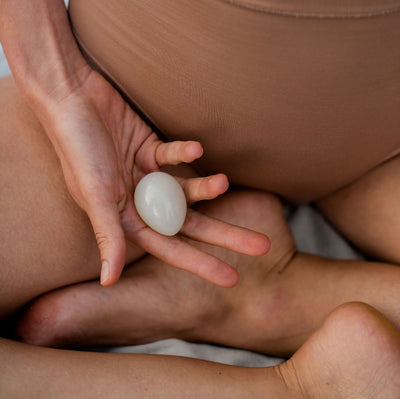
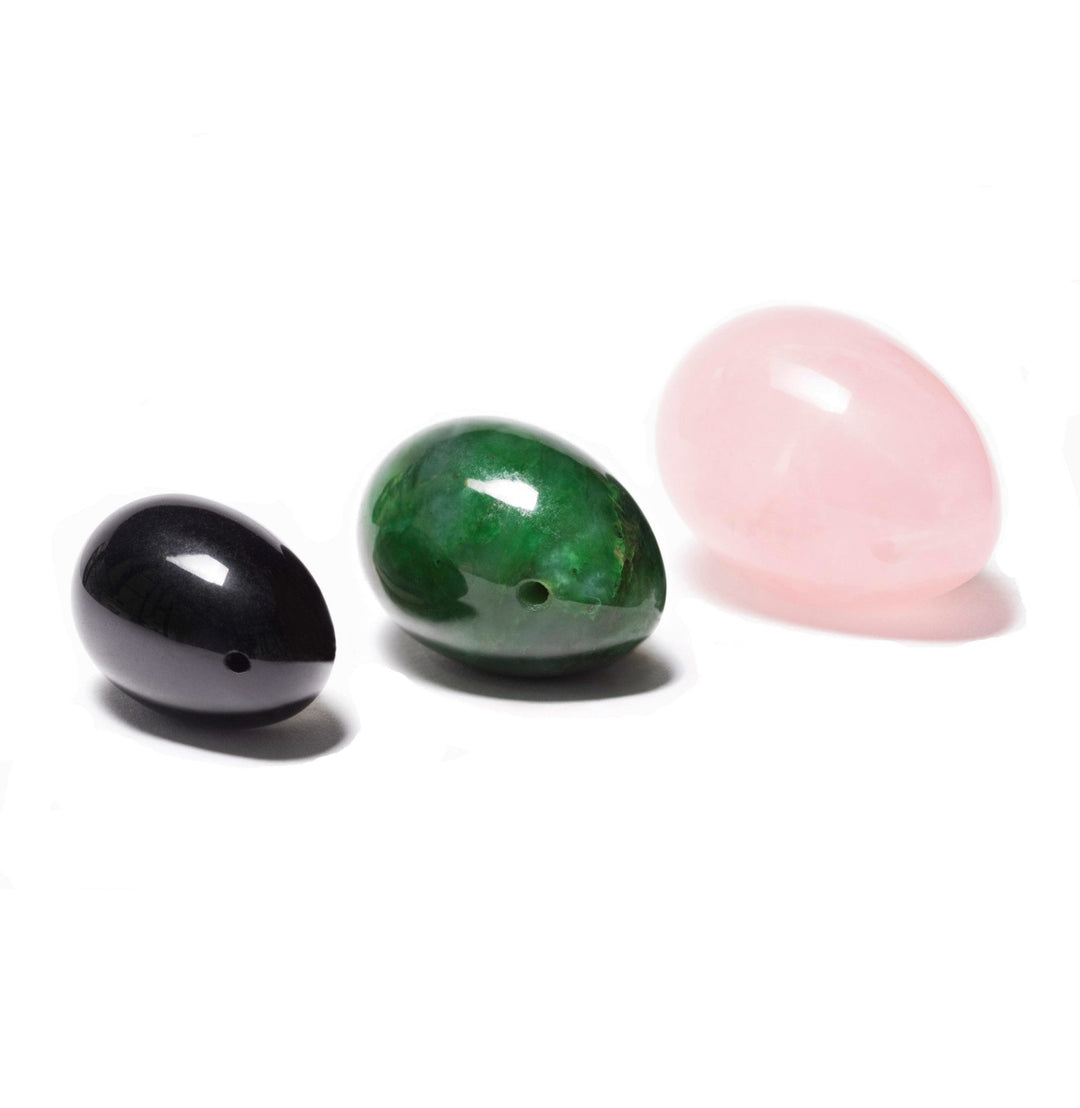
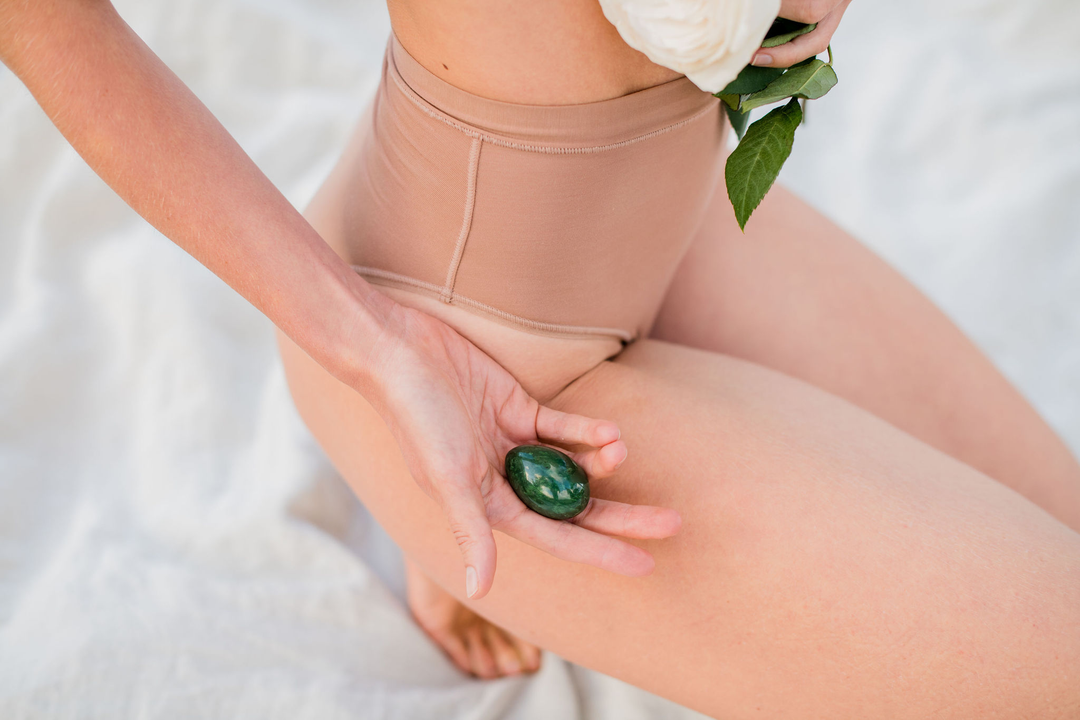
When used with intention and proper guidance, a yoni egg can act as a gentle tool to help reawaken the pelvic floor in mild to moderate uterine prolapse. The weight of the egg gives the pelvic muscles something to sense and something to subtly respond to.
This sensory activation helps the muscles remember their upward draw and their ability to gather and support the womb from beneath. For some women, this mindful engagement helps improve muscle responsiveness and reduces the feeling of heaviness in the pelvis. But it is only appropriate when the prolapse is still contained inside the vaginal canal.
For safety, yoni eggs should not be used when the uterus or vaginal wall is visibly bulging outside the body, or when there is pain, infection, tearing, severe dryness, or active inflammation. These conditions mean the tissues need healing and protection, not added pressure. Egg use is also not recommended early postpartum. Waiting at least 8–12 weeks (and receiving clearance from a pelvic-floor therapist) ensures the tissues have begun their natural recovery before adding any internal weight or stimulation.
Read: How To Use a Yoni Egg For Fertility Support
Crystal Wands for Pelvic Release
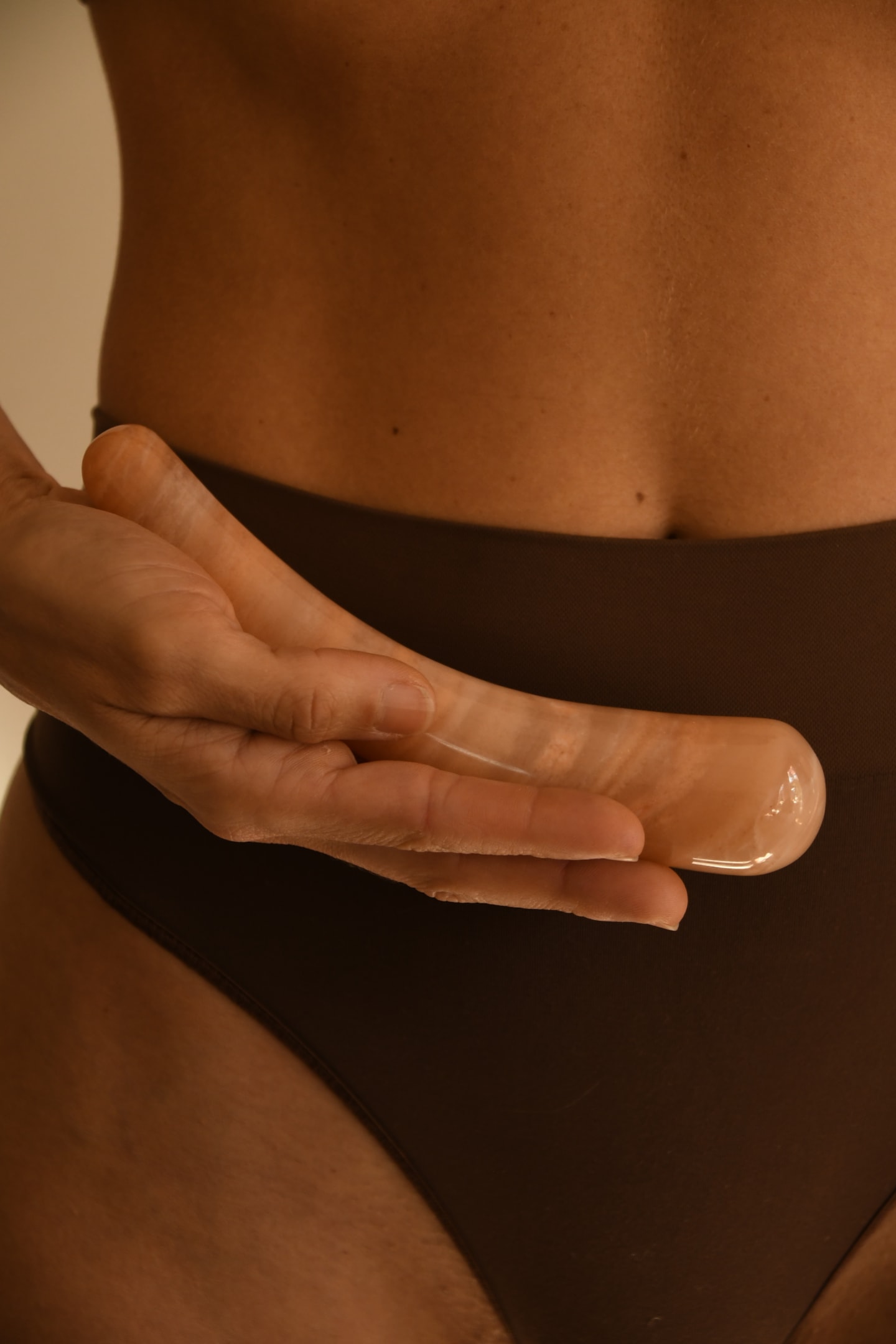
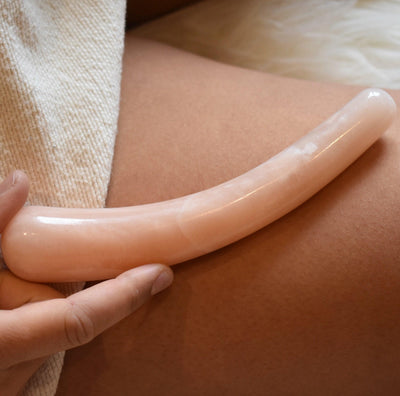
Crystal wands can be a supportive tool for women with mild to moderate uterine prolapse when the pelvic floor is tight or overworking to compensate for the lack of support beneath the uterus. Many women with prolapse assume their pelvic floor is weak, but often the opposite is true and the muscles grip and clench in an effort to hold everything up. This chronic holding worsens symptoms because a tight muscle cannot lift.
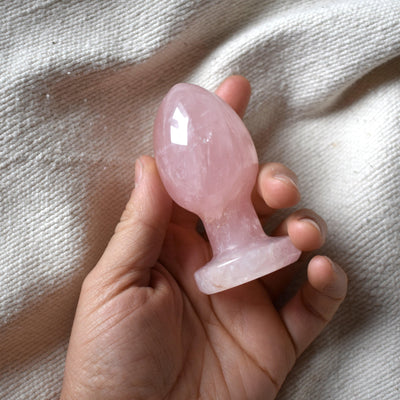
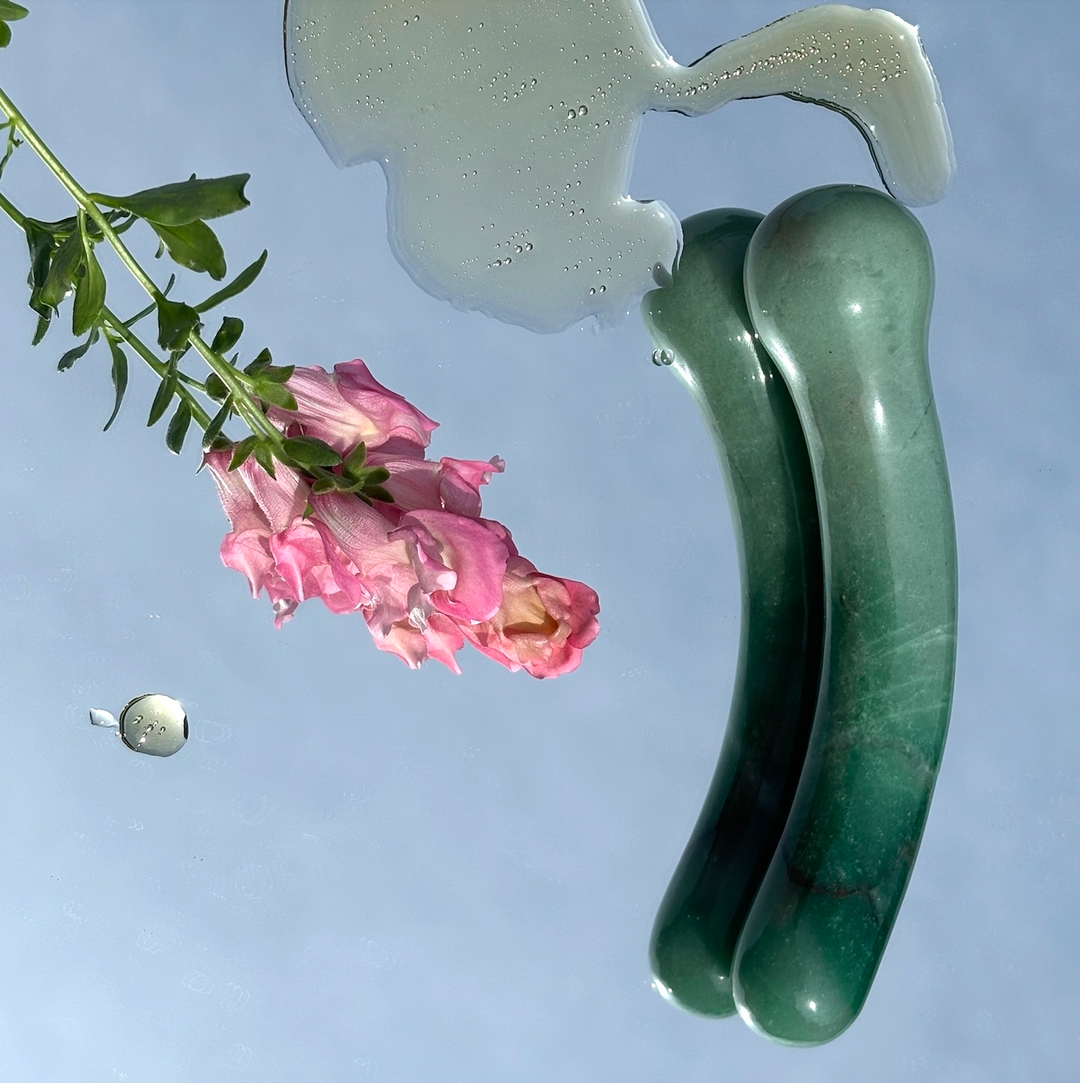
A crystal wand helps by offering gentle internal pressure to release trigger points and soften rigid fibers that restores the suppleness the pelvic floor needs in order to contract and lift effectively. When the pelvic floor is allowed to relax and lengthen, circulation improves and the tissues regain their natural responsiveness.
Wands should never be used in severe prolapse or when the uterus or vaginal wall is protruding outside the vaginal opening. In these cases, the tissue is too vulnerable, and any internal pressure could cause irritation or further descent.
Read: Pelvic Massager Tools & Methods
Womb Lifting Massage
Womb lifting massage is a gentle, hands-on technique that helps guide the uterus back into a more supported position by releasing tension in the lower belly and the pelvic organs by softening the ligaments that may be pulling the uterus downward. In mild to moderate prolapse, the womb often sits lower because of congested tissues, fascial tightness, or a heavy, stagnant feeling in the lower abdomen.
When these layers are softened and encouraged upward with warm, intentional touch, the uterus often feels lighter and better supported. This doesn’t fix prolapse, but it can significantly reduce the sense of dragging or pressure by helping the pelvic tissues reawaken their natural mobility and lift.
Many women hold unconscious bracing in the belly. When you massage the womb space, you help release that guarding. With time, this invites the uterus into a more harmonious relationship with the surrounding muscles and ligaments. The result is often a feeling that the womb is less stuck or weighted.
Lifestyle Changes
1. Reduce Straining During Bowel Movements
Chronic pushing is one of the strongest forces pulling the uterus downward. Softening the stool with hydration, fiber-rich foods, magnesium, or gentle digestive support prevents that repeated internal pressure.
2. Support the Core and Posture
How you stand and move determines how much pressure drops onto the pelvic organs. Lengthening the spine and strengthening the deep core (not the six-pack muscles) helps redistribute pressure upward instead of down onto the womb.
3. Avoid Heavy Lifting or Lift with Proper Technique
Lifting heavy objects with a held breath or braced belly can worsen descent. When lifting is necessary, exhale during the effort and engage the pelvic floor gently so you’re not pushing downward internally.
4. Maintain a Healthy Body Weight
Even a small reduction in weight can ease constant pelvic pressure and help with reducing the load the pelvic floor has to carry every moment of the day.
5. Balance Strength and Relaxation in the Pelvic Floor
An overworked, gripping pelvic floor can worsen prolapse just as much as a weak one. Alternating days of Kegels with days of softening that includes breathwork, wand release, and gentle stretching.
6. Practice Diaphragmatic Breathing
Shallow chest breathing increases tension in the belly and pushes pressure downward. Deep, slow breathing into the ribs and back allows the diaphragm and pelvic floor to move in partnership, easing pressure on the uterus and encouraging natural lift.
7. Avoid High-Impact Exercise (Temporarily)
Running, jumping, and fast-paced workouts send shock through the pelvic floor. Swapping these for walking, Pilates, yoga, swimming, or low-impact strength training gives the tissues time to recover and strengthen.
8. Use a Pessary if Recommended
A properly fitted pessary can act like a supportive “shelf” for the uterus, especially during exercise or long days upright. Many women find it gives immediate relief from heaviness and allows them to move without fear.
9. Address Chronic Coughing or Allergies
A persistent cough creates thousands of small downward pushes a day. Supporting your respiratory health protects the pelvic floor just as much as any exercise.
10. Support Hormonal Health
Estrogen nourishes the vaginal tissues and pelvic fascia. Discussing local vaginal estrogen or plant-based support with a clinician can help keep tissues supple and responsive, especially after menopause.
11. Prioritize Rest When Symptoms Flare
Lying down for even 10–15 minutes during the day can give the pelvic floor relief from gravity and reduce bulging or heaviness.
12. Cultivate a Softer Relationship With Your Belly
Many women unknowingly hold their stomachs tight all day. This constant bracing increases internal pressure and pushes downward. Softening the belly gives the uterus space to rise instead of being compressed.
Pelvic Floor Exercises For Uterus Prolapse
1. Pelvic Floor Lifts (Kegels)
These lifts strengthen the hammock of muscles that support the uterus from below. When these muscles gain tone and responsiveness, they better counter the downward pull of gravity and reduce symptoms like heaviness and bulging.
How to:
Sit or lie down comfortably. Inhale to soften the pelvis. On your exhale, gently lift the pelvic floor as if you’re drawing the vaginal walls inward and upward toward your belly. Hold 3–5 seconds, then fully release. Repeat 10 times.
2. Diaphragmatic Breathing
Breath and pelvic floor are partners. When you breathe well, intra-abdominal pressure distributes evenly instead of pushing downward. This reduces strain on the uterus and encourages natural upward support.
How to:
Place one hand on your ribs and one on your belly. Inhale deeply into your sides and back ribs, letting the pelvic floor expand softly. Exhale and allow the pelvic floor to rise naturally. Continue for 5–10 slow breaths.
3. Bridge Pose (Pelvic Bridge)
The bridge strengthens the glutes and deep core which are two key players in pelvic stability. It also gently shifts the pelvic organs upward, giving the pelvic floor a break from gravity while strengthening the muscles that help maintain lift.
How to:
Lie on your back with knees bent, feet hip-width apart. Press through your heels and lift your hips slowly toward the ceiling. Hold for a breath or two, then lower down. Repeat 10–15 times.
4. Cat–Cow Spinal Waves
Cat–Cow improves spinal mobility and releases belly tension. When the abdomen is tight, pressure is forced downward onto the uterus. This gentle flow encourages healthy pelvic alignment and reduces downward pressure.
How to:
Move onto hands and knees. Inhale and drop the belly, lifting the tailbone and chest (Cow). Exhale and round the spine, drawing the belly in and softening the pelvic floor (Cat). Flow slowly for 8–10 cycles.
Read: How To Perform Pelvic Floor Stretches
Reversing Uterus Prolapse: What’s Realistic
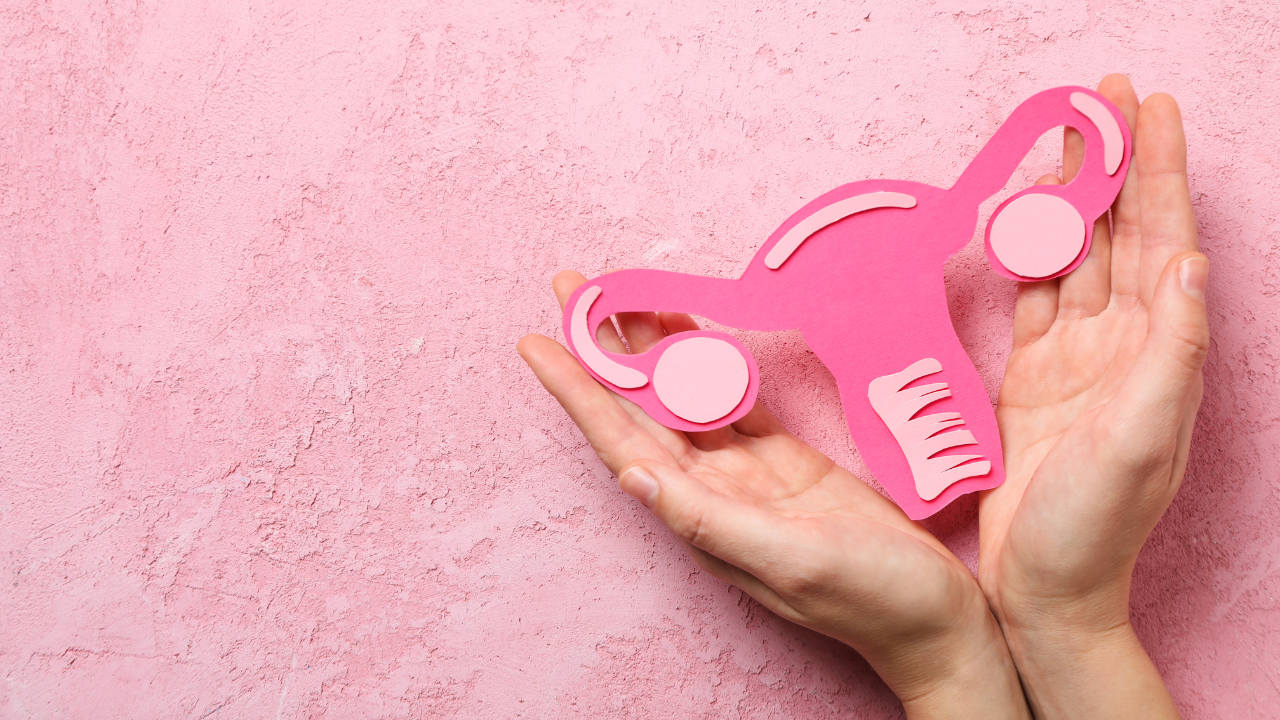
When the tissues that hold the uterus have already stretched or thinned, uterine prolapse cannot be fully reversed in the literal sense. Once that internal support system has given way, the body doesn’t simply “snap back.” But this does not mean a woman is without power. What can change are the symptoms, the level of support, and the way the womb feels inside the body.
Through pelvic-floor training, mindful lifestyle changes, and supportive tools like yoni eggs, crystal wands, and pessaries, many women experience less heaviness, less bulging, and far more stability. These practices help prevent further descent and create a sense of inner lift that can feel genuinely life-changing.
In severe cases where the uterus or vaginal wall is bulging outside the body or symptoms interrupt daily life, surgery may be recommended. But even then, non-surgical care is the first and most essential step.
More than anything, what creates lasting improvement is consistency and body awareness and having daily devotion to understanding how your pelvis moves and holds.
Frequently Asked Questions
Can uterus prolapse be reversed naturally? The honest answer is that once the connective tissues and supporting structures of the uterus have stretched, a prolapse cannot fully reverse but symptoms can improve dramatically. Strengthening the pelvic floor muscles through consistent pelvic floor muscle training, often called Kegel exercises, can create better lift and stability for the pelvic organs.
Reducing intra-abdominal pressure, addressing chronic constipation, softening chronic cough, improving posture, practicing gentle pelvic exercises, and making supportive lifestyle changes all help reduce prolapse symptoms. Tools like a vaginal pessary, womb massage, or guidance from a physical therapist specializing in the pelvic floor can offer even more support. These natural approaches don’t cure prolapse, but they can restore comfort, confidence, and pelvic floor function in daily life.
A uterine prolapse does not typically return fully to its original position, especially if the pelvic organs or vaginal canal have already begun to descend. However, many women find that symptoms can ease significantly with pelvic floor exercises, improved muscle tone, and strengthened pelvic organ support. In mild cases, building muscle strength, addressing lifestyle factors like heavy lifting, lifting heavy objects, or losing weight, and supporting digestion can make the prolapse feel far less intrusive. The goal is reclaiming a sense of well-being, stability, and adequate support for the uterus and other pelvic organs.
It’s rarely too late to improve your relationship with your pelvic floor muscle and your symptoms. Even postmenopausal women, women with a prolapsed uterus after vaginal delivery, or those with long-standing prolapse can see improvement. However, when severe prolapse occurs where the uterus or rectum bulges outside the vagina, or when other organs like the bladder or small intestine descend into the pelvic space natural approaches may no longer offer enough pelvic floor support. In these severe cases, a surgical procedure may be discussed, especially if prolapse affects daily life, makes sexual intercourse painful, or interferes with emptying the bladder or bowels.
Yes, many women experience relief without surgery, especially in mild to moderate prolapse. Strengthening the pelvic muscles with structured pelvic floor muscle exercises, improving posture and physical activity, managing intra-abdominal pressures, and addressing risk factors like constipation, weight gain, and chronic cough can bring real improvement. A vaginal pessary can offer immediate better support for the uterus and other organs, giving relief during exercise or long days upright.






Leave a comment