











How to Get Air Out of Your Uterus: Vaginal Gas Explained

Most women have experienced it. That awkward puff of air slipping out of the vaginal space when you stand up, move into a new yoga pose, run, or shift during sex. It’s abrupt, unmistakable, and often embarrassing.
What’s commonly called “air in the uterus” is almost always just air trapped in the vagina, not the uterus. And in the vast majority of cases, it’s completely normal and harmless.
Air can enter the vaginal canal during movement, exercise, penetration, or position changes. When your body shifts, that air releases, sometimes loudly.
Frequent vaginal gas can also be a sign of pelvic floor laxity or reduced muscle engagement. Over time, learning how to properly activate and strengthen the pelvic floor can reduce looseness and minimize repeated air trapping while also enhancing sensation and confidence.
There are times when vaginal gas deserves medical attention. If it’s persistent and paired with pain, foul odor, unusual discharge, or leakage of urine or stool, it may indicate a condition like a vaginal fistula or significant pelvic floor dysfunction and should be evaluated by a professional.
What People Mean by “Air in the Uterus”
When most women search for how to get air out of their uterus, they’re actually experiencing vaginal gas, which is air that gets trapped in the vaginal canal, not inside the uterus itself. This distinction matters, and understanding it is your first step toward real relief.
True air in the uterus (pneumouterus) is rare and usually only happens after certain medical procedures like hysteroscopy or endometrial ablation. If you haven’t had a recent procedure, this almost certainly isn’t your situation.
Many women also wonder whether having a retroverted (tilted) uterus makes them more prone to air trapping. It doesn’t. Even when the uterus tilts backward, the cervix remains closed during everyday activities, maintaining a natural seal between the vagina and uterus.
So what is vaginal gas? It’s simply air entering the vagina during movement, sexual activity, or stretching, then exiting with a noticeable sound, often called vaginal flatulence, vaginal farting, or queefing. Unlike passing gas from your bowel movement, vaginal wind is odorless because it’s just air, not digestive gases.
This is incredibly common across the general female population. Studies show up to 70% of women experience this regularly. The embarrassment is real, but the phenomenon itself is typically harmless.
Quick Ways to Get Air Out of Your Vagina Right Now
Let’s get you some relief. These gentle techniques can help release trapped gas within minutes, using gravity and relaxation rather than force air out through straining.
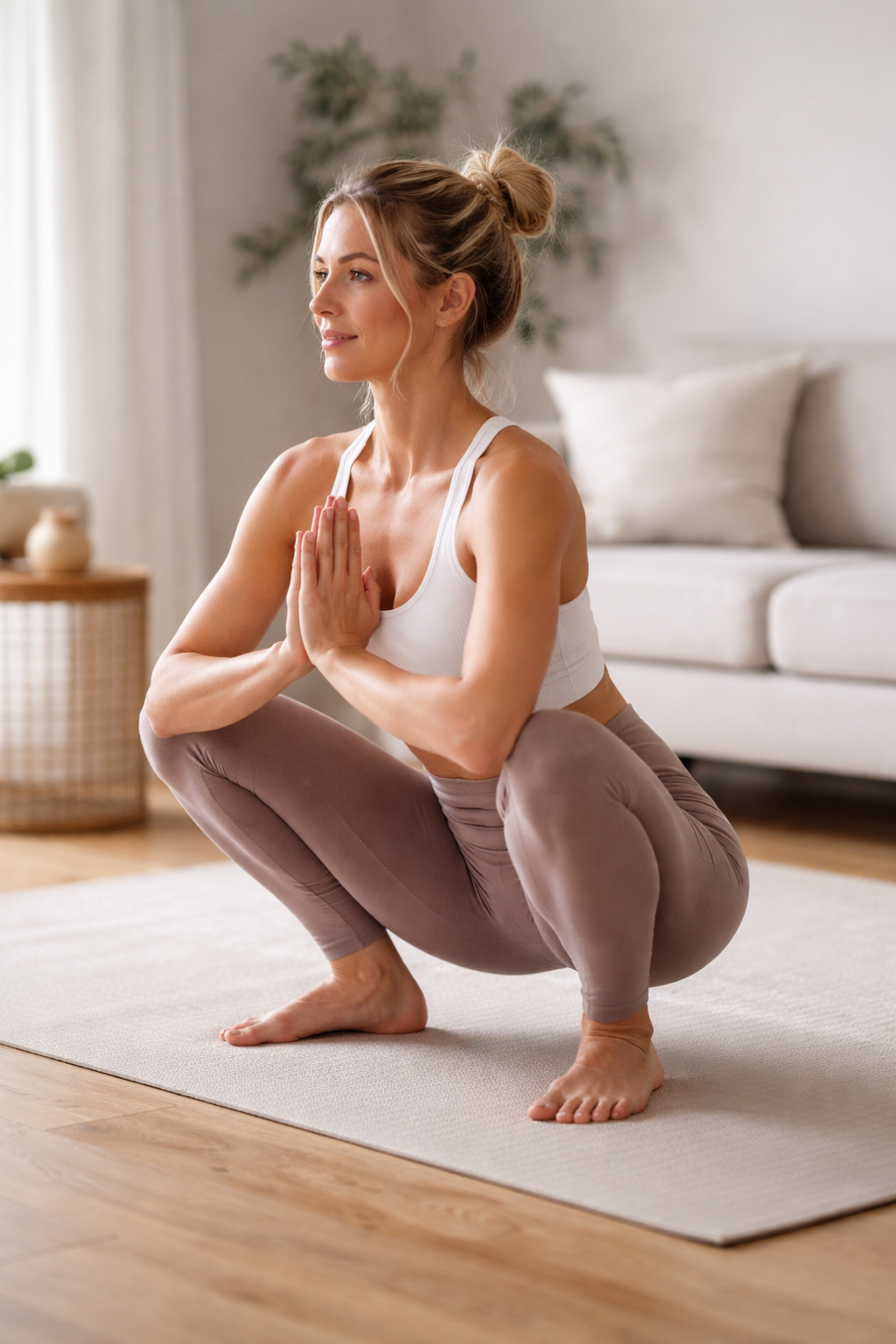
Squatting Technique
-
Stand with feet wider than hip-width apart
-
Lower into a full or half squat
-
Relax your belly completely—don’t hold it in
-
Allow your pelvic muscles to fully release (imagine letting go as if you’re about to urinate)
-
Stay here for 30-60 seconds, breathing slowly
-
The combination of gravity and muscle relaxation allows air escape naturally
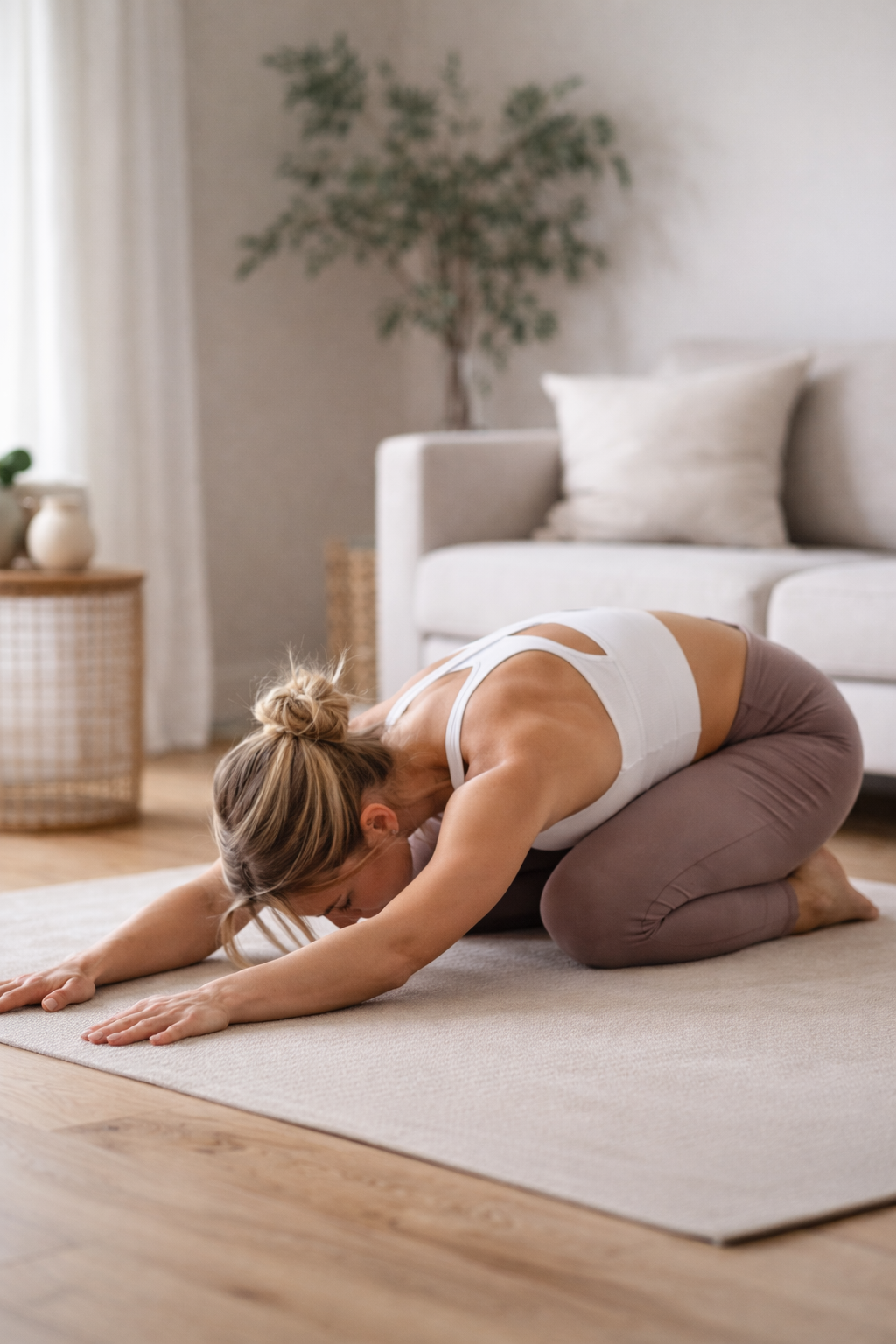
Child’s Pose Position
-
Kneel on a soft surface with knees wide apart
-
Sit your hips back toward your heels
-
Walk your hands forward, bringing your chest toward the floor
-
Rock your hips gently side to side
-
Take slow, deep breaths, exhaling fully
-
This position tilts the pelvis and opens the vaginal opening, helping trapped air release
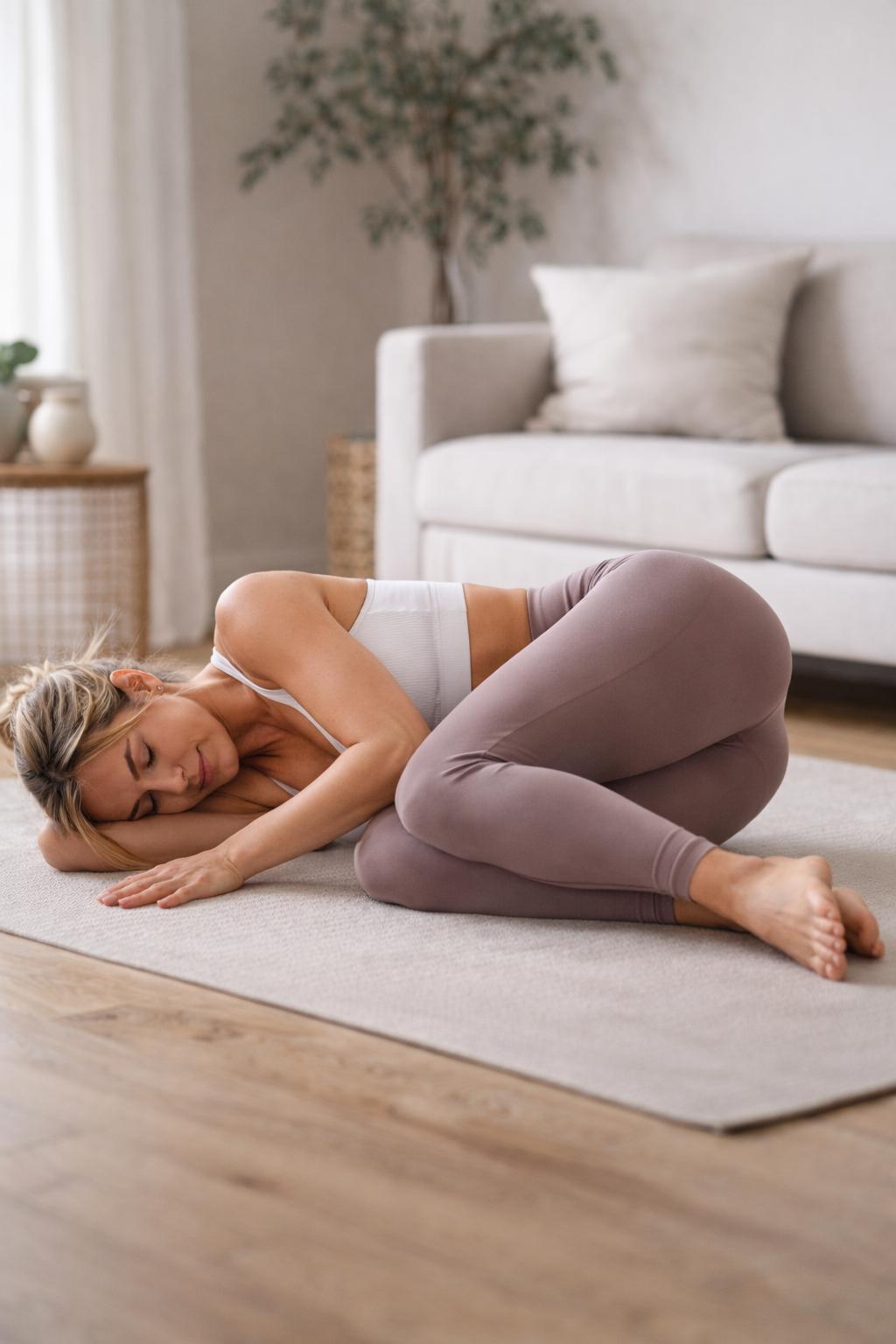
Side-Lying Release
-
Lie on your left side with knees bent toward your chest
-
Roll slightly forward, then slightly backward
-
This changes the angle of your pelvic region
-
Continue gentle rocking while breathing deeply
-
Switch sides if needed
Read: Does Walking Strengthen the Pelvic Floor in Daily Life?
Why Air Gets Trapped
Understanding what causes air to enter and stay in your vagina helps you make small changes that reduce both air trapping and feelings of looseness. Here are the most common triggers:
|
Trigger |
How It Happens |
What You Can Do |
|---|---|---|
|
Sexual intercourse |
Penetration—especially in positions like doggy style or with legs up—opens the vaginal canal and “pumps” air in |
Experiment with positions; allow natural release between position changes |
|
Vaginal laxity |
Looser vaginal tissues and a weak pelvic floor allow more air to enter and stay trapped inside |
Focus on pelvic floor strengthening (more on this below) |
|
Exercise and yoga |
Poses like downward dog or wide-leg stretches funnel air into the vagina |
Modify extreme hip-opening poses; engage pelvic floor during transitions |
|
Menstrual cups and tampons |
These products can hold small air bubbles that escape with physical movement or removal |
Ensure proper insertion and seal; try different sizes |
|
Overactive pelvic floor muscles |
Over-clenching or poorly timed contractions trap air instead of guiding it out |
Learn to relax fully between contractions |
|
Gynecological exams |
Speculum use introduces air temporarily |
This resolves on its own within hours |
|
Sex toy use |
Similar mechanism to sexual activity |
Allow time for air release afterward |
The Real Issue: Vaginal Laxity, Pelvic Floor Weakness, &
Frequent vaginal gas is often less about random air and more about how toned, responsive, and coordinated your vaginal walls and pelvic floor muscles are. When these tissues lose their firmness, air enters more easily and has more room to get trapped.
What does vaginal laxity actually feel like?
-
A sense that the vagina is wider or less snug than it used to be
-
Reduced sensation during sexual activity
-
Feeling like tampons don’t stay in place as well
-
More frequent vaginal noise during exercise or intimacy
This commonly develops after childbirth (especially multiple vaginal deliveries), major weight changes, hormonal shifts during perimenopause, or simply from aging. Research shows vaginal diameter can increase from an average of 2.5-3cm in women who haven’t given birth to 4-5cm afterward.
But awareness of your vaginal space is the first step in changing this pattern.
Your pelvic floor tone isn’t just about tightness, it’s about control. Can you contract these muscles? Can you fully relax them? Can you coordinate them with your breath and movement? Many women have literally never thought about engaging this area consciously.
Studies demonstrate that with consistent pelvic floor exercises, women can achieve significant strength gains over a 12-week program. Improvement is possible at any adult age, and the benefits extend far beyond reducing vaginal flatus.
Engaging Your Vaginal Space: Mind–Body Awareness Practices

Before jumping into strengthening, you need to actually connect with this part of your body. Many women discover they’ve been clenching the wrong muscles or have lost touch with their pelvic region entirely.
Guided Body Scan
-
Lie down comfortably with knees bent
-
Close your eyes and take several slow breaths
-
Notice sensations in your lower belly
-
Move your attention to your vaginal opening
-
Notice your perineum (the area between vagina and anus)
-
Observe without judgment—is there tension? Numbness? Warmth?
Basic Breathwork for Pelvic Awareness
-
Breathe deeply into your diaphragm (belly expands on inhale)
-
On inhale, feel gentle downward pressure toward your pelvic floor
-
On exhale, sense a subtle lift and narrowing in the vaginal area
-
Don’t force anything—just notice the natural movement
The “Wake-Up” Exercise
Try this sitting or lying down:
-
First, fully relax your pelvic floor (imagine releasing as if you’re about to urinate)
-
Notice what complete relaxation feels like
-
Now, gently squeeze around the vaginal opening at about 20-30% effort
-
Hold for 2-3 seconds
-
Release completely
-
Notice the difference between these two states
You can use a mirror to see subtle movement at the perineum, or place a clean hand there to feel the lift and release. This proprioceptive feedback helps your brain reconnect with muscles you may have been ignoring for years.
Strengthening and Toning: Exercises to Reduce Air & Looseness
Now that you’ve established awareness, it’s time to build strength and responsiveness in your pelvic floor. Consistent pelvic floor exercises can significantly reduce vaginal gas episodes while improving feelings of tightness and support.
How to Do Correct Kegel Exercises
-
Imagine you’re trying to stop the flow of urine AND hold back gas simultaneously
-
Lift and squeeze around the vaginal opening
-
Keep your buttocks, thighs, and abdomen relaxed
-
Breathe normally—don’t hold your breath
-
You should feel a lifting sensation, not bearing down
Starter Program for Pelvic Floor Muscle Training
Daily routine (takes about 5 minutes):
-
Slow contractions: Squeeze and hold for 3-5 seconds, then fully release for 3-5 seconds. Repeat 8-10 times.
-
Quick pulses: Squeeze and release rapidly, 5-10 times
-
Do this routine 1-2 times per day
Always fully release your pelvic floor between squeezes. Chronic tightness can cause pelvic pain and is just as problematic as weakness. The goal is a responsive pelvic floor that can both contract firmly AND relax completely.
Some women have overactive pelvic floor muscles that need help learning to relax first. Others may have scar tissue, connective tissue issues, or coordination problems that require hands-on guidance. If exercises aren’t helping after 6-8 weeks, or if you experience increased risk of pain, it’s time for professional support.
Lifestyle Habits to Reduce Trapped Air & Support Tone
-
Choose sexual positions mindfully: Positions where your pelvis stays level with or slightly lower than your chest tend to introduce less air into the vaginal canal.
-
Modify positions that consistently cause queefing: If a specific angle or depth repeatedly traps air, adjust it or switch positions rather than pushing through discomfort.
-
Slow down transitions during sex: Allow brief pauses between position changes so trapped air can naturally escape instead of being forced deeper.
-
Ensure menstrual cups are inserted correctly: A proper seal reduces air pockets; if queefing increases, remove and reinsert slowly.
-
Experiment with tampon sizing: Using a size that’s too small or too large can contribute to air trapping during movement.
-
Use pads when needed: On days when vaginal noise feels especially distracting, pads can offer peace of mind without internal air displacement.
-
Insert menstrual products slowly and consciously: Rushed insertion is more likely to create air pockets.
-
Modify extreme yoga poses: Deep hip-openers and inversions can draw air into the vagina—adjust or skip poses that repeatedly trigger the issue.
-
Engage your pelvic floor during transitions: Gentle activation when standing up, rolling over, or changing poses helps prevent air from entering.
-
Coordinate breath with movement: Exhale during the most effortful or transitional moments to support pelvic stability.
-
Avoid rushing through workouts: Mindful pacing reduces sudden pressure changes that trap air.
-
Manage constipation proactively: Chronic straining weakens pelvic support—stay hydrated, eat enough fiber, and respond promptly to bowel urges.
-
Address chronic coughing: Ongoing coughing repeatedly strains pelvic tissues and should be medically evaluated.
-
Maintain a healthy body weight. Excess weight increases constant downward pressure on pelvic structures.
-
Consider hormonal support if appropriate. Declining estrogen during perimenopause and menopause affects vaginal tissue tone; topical estrogen can significantly improve pelvic floor responsiveness.
-
Avoid smoking. Smoking degrades connective tissue and increases coughing, both of which weaken pelvic support.
-
Limit carbonated drinks and gas-producing foods (like beans and broccoli) if abdominal gas worsens pelvic pressure.
-
Practice deep diaphragmatic breathing. This helps relax and rebalance the pelvic floor, making it easier for trapped air to release.
-
Wear loose-fitting clothing. Tight waistbands can trap abdominal pressure and redirect it downward into the pelvic floor.
-
Use gentle abdominal massage. This encourages digestive movement and reduces internal pressure that can push air into the vagina.
-
Stay well hydrated. Adequate hydration supports bowel regularity and reduces straining-related pelvic stress.
-
Understand that movement itself can introduce air. Activities like yoga, running, and strength training naturally change posture and pressure—this doesn’t mean something is wrong.
When to Worry: Warning Signs & Medical Conditions
Red-Flag Symptoms That Need Evaluation
-
Vaginal gas with foul odor (normal queefing is odorless)
-
Continuous leakage of stool or urine from the vagina
-
Persistent pelvic pain not related to your cycle
-
Bleeding not connected to periods
-
Severe pressure, heaviness, or visible bulging at the vaginal opening
-
Sudden onset fever combined with unusual vaginal symptoms
Understanding Vaginal Fistula
A vaginal fistula is an abnormal connection between the vagina and another organ. Types include:
-
Vesicovaginal fistula: Connection to the bladder, causing urine leakage
-
Rectovaginal fistula: Connection to the rectum, causing stool or gas leakage
-
Enterovaginal fistula: Connection to the small intestine
These conditions cause constant leakage and abnormal gas passage—not just occasional queefing. Risk factors include complicated childbirth, pelvic surgery, radiation therapy, and in rare cases, severe infections.
Recognizing Pelvic Organ Prolapse
When pelvic organs descend from their normal position, you might experience:
-
Sensations of heaviness or dragging in the pelvis
-
Feeling something bulging at or near the vaginal opening
-
Difficulty emptying completely when urinating or during bowel movement
-
Increased air trapping due to changed anatomy
To treat pelvic organ prolapse, options range from pelvic floor physiotherapy and pessary devices to corrective surgery methods depending on severity. Early intervention with pelvic floor strengthening can prevent progression.
Read: How I Healed My Prolapse: A Journey After Birth
How Yoni Eggs Can Help with Vaginal Air & Pelvic Tone

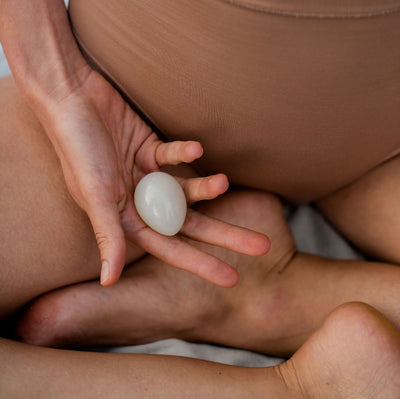
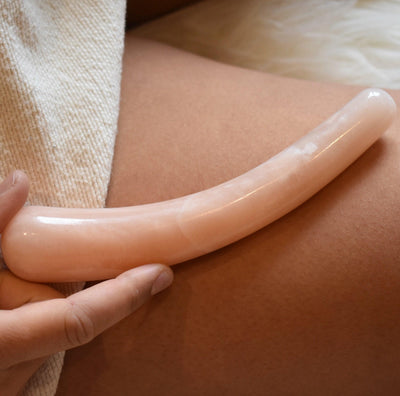
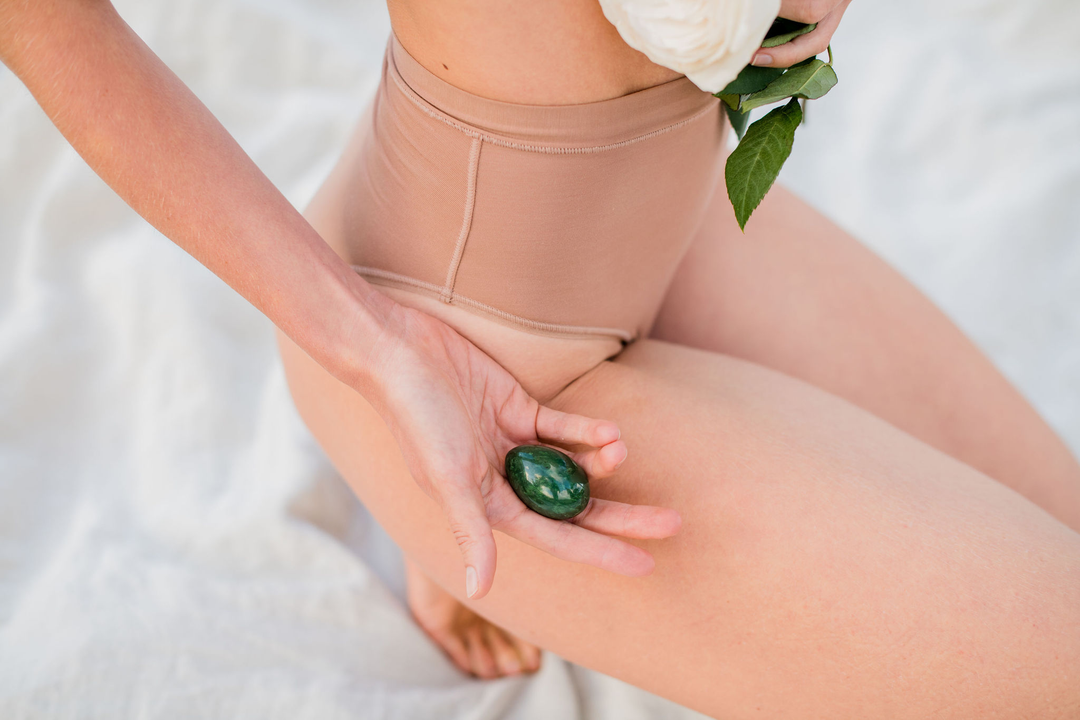
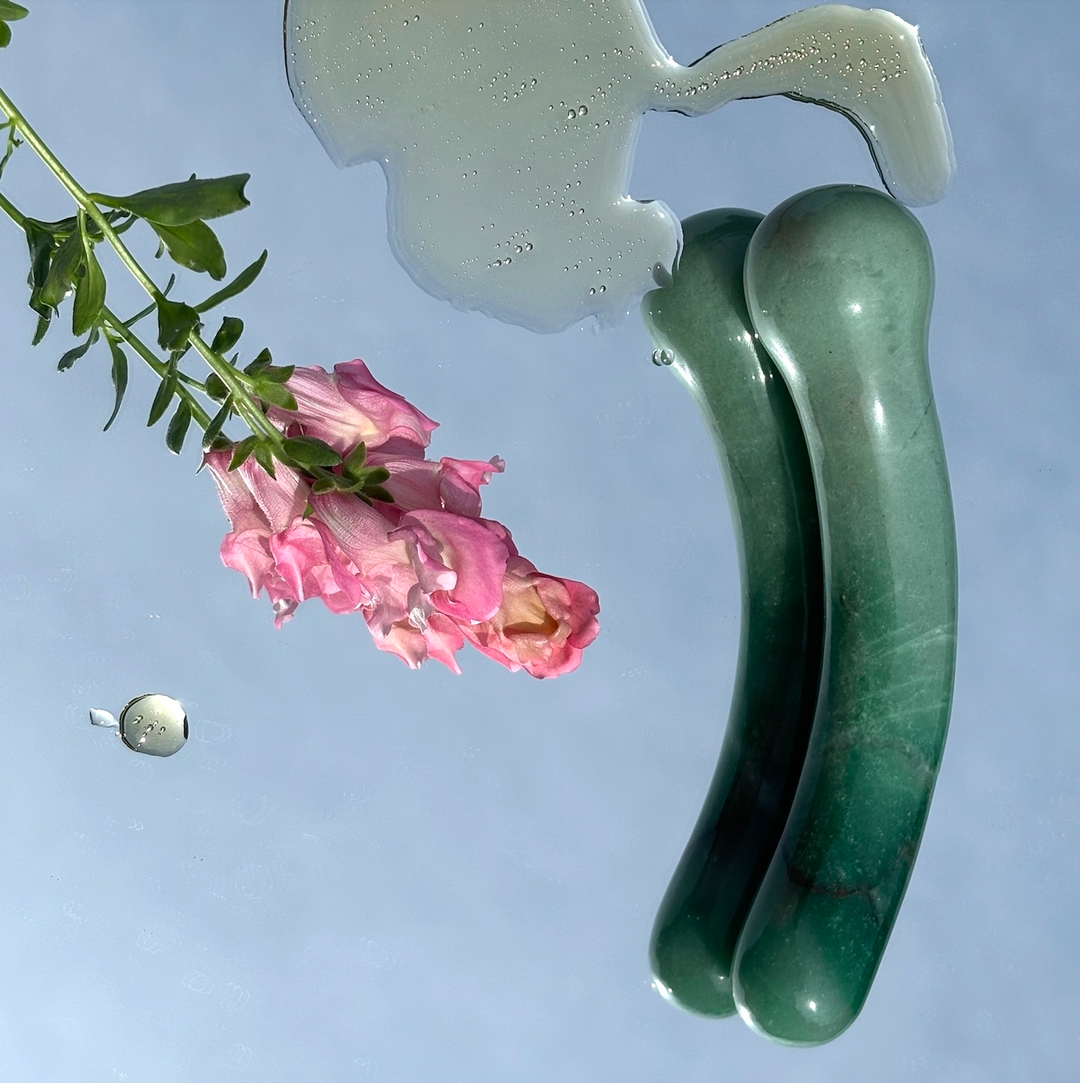
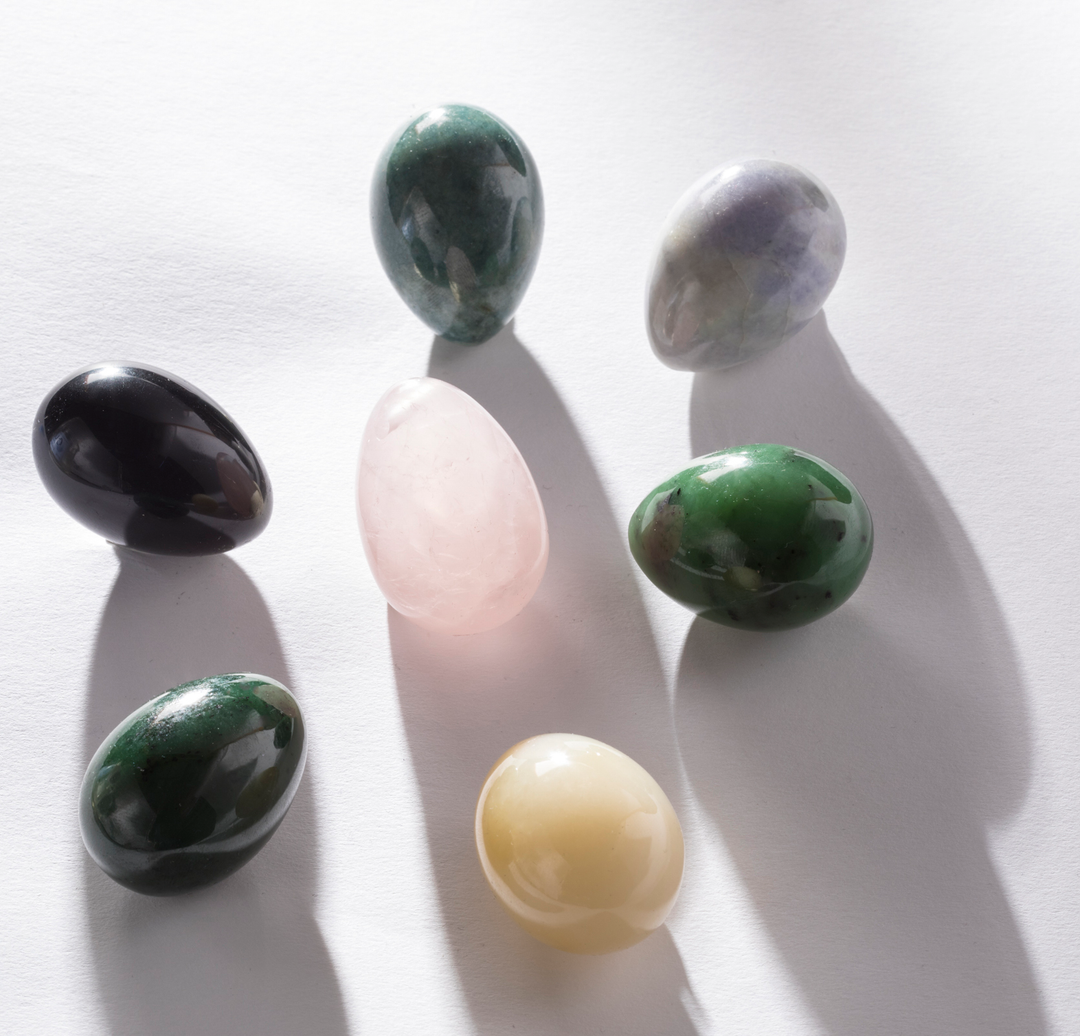
Yoni eggs can be a powerful support for women who experience frequent vaginal air, not because they “tighten” the vagina, but because they restore relationship and communication with the pelvic floor. Vaginal gas is often less about something going wrong and more about a loss of coordination, tone, or awareness in the vaginal walls and surrounding muscles. This is where yoni eggs can be genuinely helpful when used with care and discernment.
For many women, the vaginal space exists largely outside conscious awareness. We move, exercise, have sex, insert tampons or menstrual cups, yet rarely pause to feel how the vaginal walls respond to pressure, movement, or breath. A yoni egg introduces a gentle, tangible presence that helps the nervous system map this internal space again. With that awareness comes the ability to sense when the vagina is relaxed and open, when it is subtly engaging, and when it is gripping unnecessarily. This alone can significantly reduce the tendency for air to enter and remain trapped.
Unlike traditional pelvic floor exercises that often emphasize squeezing, yoni egg practice emphasizes listening. When you learn to feel the egg resting inside the vaginal canal, you begin to distinguish between true lifting of the pelvic floor and surface-level clenching. Many women discover that they’ve been holding chronic tension or engaging the wrong muscles entirely. Others realize they can contract but not fully release. Both patterns can contribute to air trapping. The egg provides immediate feedback, allowing the body to learn how to coordinate engagement and relaxation more effectively.
In cases of vaginal laxity, whether from childbirth, hormonal changes, or prolonged disconnection from the pelvic floor, the egg can also support gentle strengthening. When the vaginal walls softly lift and hold the egg, deeper muscles activate reflexively and evenly, encouraging balanced tone rather than forceful tightening. Over time, this improved tone reduces excess space within the vaginal canal, leaving less room for air to collect during movement or penetration.
Read: Pelvic Floor Release: Essential Techniques for Relaxation
Frequently Asked Questions
In everyday situations, air almost always stays in the vaginal canal, not the uterus. The cervix creates a seal that prevents routine air entry into the uterine space. True intrauterine air (pneumouterus) is rare and typically only occurs after certain medical procedures, infections, or childbirth complications. If you suspect air in your actual uterus rather than normal vaginal gas, especially after a recent procedure, this should be evaluated by a clinician rather than managed at home.
With consistent daily practice, many women notice initial changes in 4-8 weeks, including better awareness of the muscles and some reduction in symptoms. More substantial improvements in tone and significant symptom reduction typically develop over 3-6 months. Timelines vary based on your age, childbirth history, baseline strength, and how consistently you practice. Research on gynecology and reproductive biology shows 15-25% strength gains are achievable with dedicated 12-week programs, with some studies published in the international urogynecology journal documenting continued improvement beyond this period.
No. Properly used menstrual products do not permanently stretch or loosen the vagina. The vaginal tissues are elastic and designed to accommodate various objects (including childbirth) and return to their baseline state. While cups and tampons can temporarily trap air that escapes during removal or movement, your tissue elasticity and pelvic floor support are far more important factors in long-term laxity and sexual function than any menstrual product use.
Gentle, correctly performed Kegels are often recommended during pregnancy to prepare for birth and in the postpartum period to support recovery. However, every pregnancy and birth is different. You should get personalized guidance from your midwife, obstetrician, or pelvic floor therapist, especially after experiencing a tear, episiotomy, or cesarean section. Some women benefit from focusing on relaxation rather than strengthening initially, particularly if they have tense muscles or perineal trauma.
Many women improve significantly with targeted pelvic floor therapy, lifestyle changes, and consistent vaginal engagement practices. A literature review of multiple studies confirms that non-invasive approaches are highly effective for mild to moderate laxity, with pelvic floor muscle training showing 70-90% efficacy. However, some women with advanced prolapse, major structural damage, or conditions not responding to conservative treatment may eventually benefit from surgical options. These decisions should ideally be made in consultation with a urogynecologist or pelvic specialist who can assess your specific situation through a thorough pelvic exam and discuss all available options including their health risks and expected outcomes.



Leave a comment