







Lingam Steam for Men: Benefits, Best Herbs, & Safety Tips

If women have yoni steams, is there a male equivalent?
It’s a question more people are asking as pelvic care becomes a broader conversation for everyone.
Lingam steaming is a warm, herbal steam practice designed to support the male pelvic region. It’ inspired by the same principles that have guided women’s pelvic wellness for generations but just adapted for the masculine body.
And beyond the physical benefits, many men find the practice surprisingly centering.
In this article, we’ll explore what lingam steaming is, how it works, the herbs commonly used, safety essentials, and the deeper meaning behind this often-overlooked part of male wellness.
What Is Lingam Steaming?
The word lingam comes from the Sanskrit word, meaning “pillar” or “pillar of light.” In modern tantric and holistic sexuality, it refers to the whole masculine root, including the penis, the prostate, the perineum, and the energetic channel that runs through this part of the body. With that context, lingam steaming becomes a way of bringing warmth and attention to an area of the body that quietly influences so much.
Lingam steaming, sometimes called a male herbal steam, is simply the practice of sitting over warm, herb-infused steam so it can gently reach the perineum and the deeper layers of the pelvic bowl. The heat and warm healing steam helps softens the tissues and creates a natural release in the tense pelvic floor muscles that men often don’t realize are tight until they finally relax.
As the steam rises, the herbs add their own support with different herbs targeting different aspects. Although many people associate steaming with women’s wellness today, it has long been part of traditional medicine for all genders.
Read: The Power of the P-Spot: Perineal Massage for Him Made Easy
The Benefits of Warm Healing Steam

-
Supports healthy prostate function.
-
Eases pelvic tension and discomfort.
-
Increases blood flow and healthy circulation to the reproductive organs.
-
Supports urinary and bladder health.
-
Helps reduce inflammation and cleanse the area.
-
Relaxes and tones the pelvic floor muscles.
-
Calms the entire body.
-
Releases stored stress or emotion in the pelvic bowl.
-
Can reduce erectile dysfunction.
-
Balances sexual energy and enhances vitality.
-
Increases body awareness and presence.
-
Creates a grounding, meditative state.
How to Do a Lingam Steam (Step-by-Step Guide)
1. Set the space: Choose a quiet, private spot where you won’t be interrupted. Keep it simple: a candle, soft lighting, music if you like. The intention is relaxation and presence.
2. Prepare the herbal steam: Bring a pot of water to a boil. Add your chosen herbs, cover the pot, and let them steep for 5–10 minutes. This allows the water to cool slightly and the herbs to fully release their properties.
3. Position yourself for steaming: Place the pot or heat-safe bowl beneath a chair with openings, or sit/squat above it in a way that feels stable. The steam should gently rise to the perineum and lingam without strain or discomfort.
4. Steam for 10–20 minutes: Wrap a towel around your waist to hold in the warmth. Settle in, breathe deeply, and let the heat soften your pelvic floor. The sensation should feel warm and soothing — never hot or sharp.
5. After your session: Rest for a few minutes and drink water. Notice any shifts in your body, breath, or presence. Give yourself time to integrate; avoid immediate sexual activity and allow the warmth to continue settling into your system.
Herbs to Use for Lingam Steaming & Prostate Health
For a lingam steam, it’s best to choose herbs that support circulation and nourish the prostate and pelvic tissues. You can create blends or follow traditional combinations, the only rule is to use clean, organic herbs so the steam carries pure medicine.
Suggested Lingam Steam Herbs
-
Ginger Root – Deeply warming and excellent for increasing circulation. Ginger helps bring fresh blood flow into the pelvic floor, softening tight muscles and supporting a steady release of tension.
-
Prickly Ash Bark – Known as a strong circulatory stimulant. It helps move stagnation, tones the tissues around the prostate and perineum, and supports the nerve pathways connected to sexual function.
-
Butcher’s Broom Root – Traditionally used to support vascular health. It can ease a sense of heaviness in the pelvic bowl and reduce mild swelling by improving lymphatic and venous flow.
-
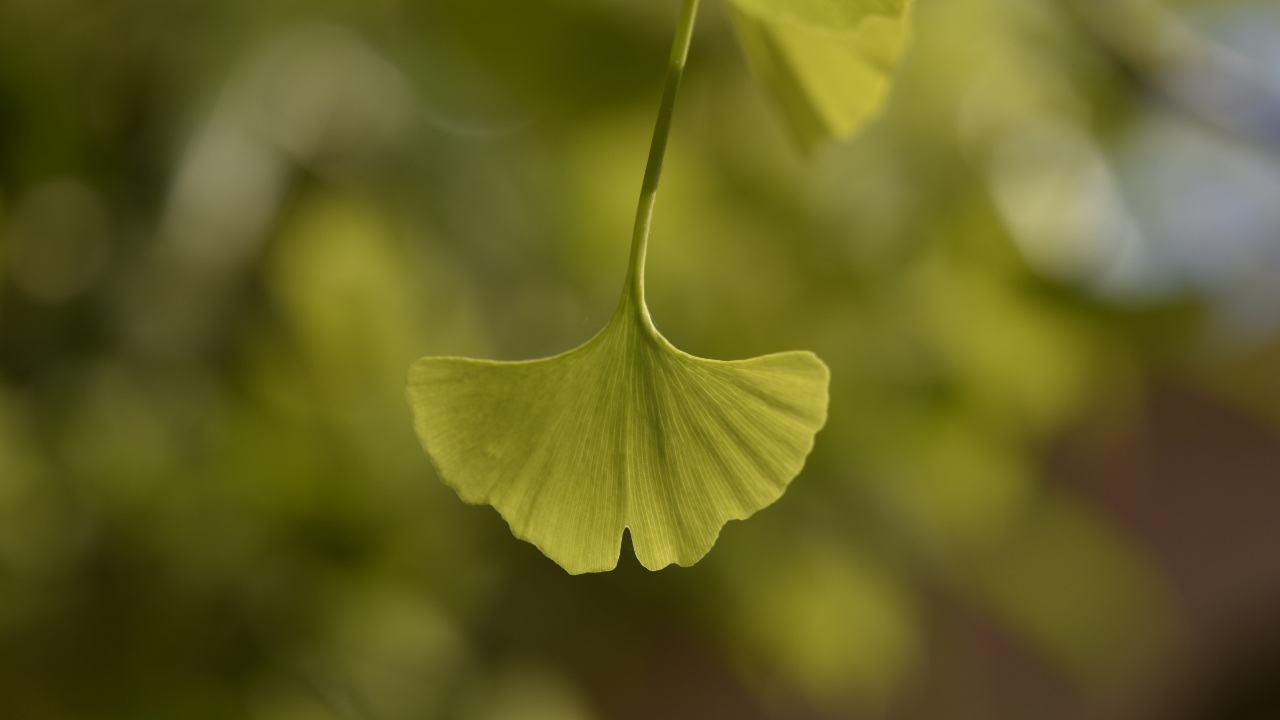
Gingko Biloba Leaf – Enhances both blood and oxygen circulation. Gingko supports the delicate vascular system around the prostate and can improve overall responsiveness and vitality in the pelvic region.
-
Pumpkin Seed – Rich in zinc and phytosterols, pumpkin seed is deeply nourishing to the prostate. It has a gentle anti-inflammatory effect and supports long-term reproductive and urinary health.
-
Hydrangea Root – A classic herb for urinary and prostate support. It helps flush the urinary system, softens mineral buildup, and encourages clear, steady flow.
-
Capsicum (Cayenne) Fruit – A potent warming agent that boosts systemic circulation. Its heat helps open the pelvic tissues, increase blood movement, and enhance the absorption of other herbs in the blend.
-
Clove Bud – Naturally antimicrobial and warming. Clove brings vitality to the steam, supports tissue cleanliness, and adds a grounding, aromatic heat to the experience.
-
Cardamom Seed – Aromatic and soothing to both the body and the breath. It helps relax tension in the lower abdomen and creates a calming, open feeling during the steam.
-
Damiana Leaf – A gentle aphrodisiac and nervous system tonic. Damiana supports sexual energy, encourages relaxation, and helps reconnect the body to a grounded sense of arousal.
-
Horse Chestnut – Strengthens veins and improves vascular tone. It helps reduce pelvic congestion and supports healthy blood flow.
-
Yarrow Flower – Mildly antiseptic, anti-inflammatory, and tissue-toning. Yarrow supports pelvic cleansing and helps soothe irritation without being overly drying or intense.
-
Couch Grass & Gravel Root – Traditional herbal allies for the bladder and urinary tract. They assist in gentle detoxification and can help relieve mild irritation or sluggish flow.
-
Uva Ursi – A urinary antiseptic with soothing properties. It supports the health of the bladder and lower urinary system.
-
Cinnamon Bark – Strongly warming, circulatory, and antimicrobial. Cinnamon helps enhance blood flow, supports tissue vitality, and adds a rich, comforting aroma that deepens the overall steaming experience.
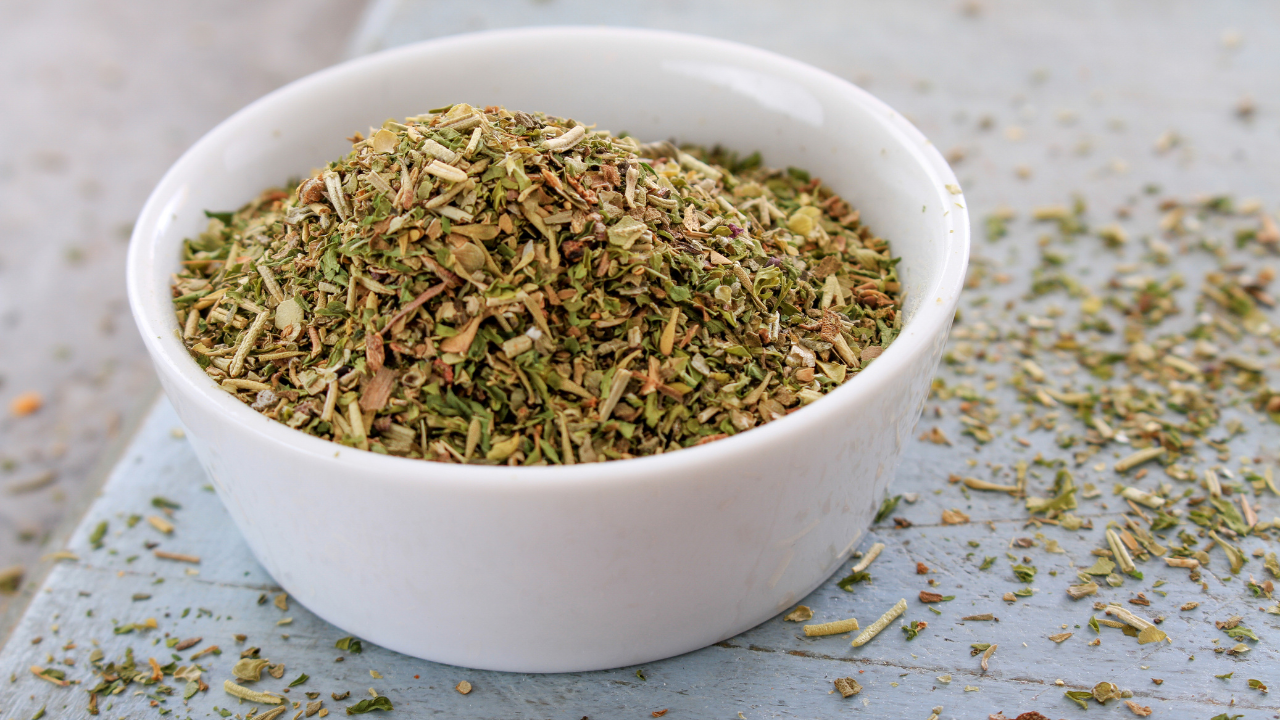
You can mix two or three herbs for a simple blend, or create a more complex formula depending on what your body is calling for.
How to Create a Lingam Steam Herb Blend (Step-by-Step)
-
Decide the purpose of your blend (circulation, prostate support, relaxation, cleansing).
-
Choose 1–2 base herbs that increase warmth and flow.
-
Add 1–2 supportive herbs that match your goal.
-
Include 1 aromatic or calming herb if desired.
-
Combine the herbs using a 2:2:1 ratio (base : supportive : aromatic).
-
Mix well and store the blend in a sealed glass jar.
-
Use 1–2 handfuls of the blend per steam session.
When Not to Steam
Lingam steaming is gentle, but there are times when it’s best to pause. Avoid steaming if you have an active infection, any open sores, or visible rashes in the pelvic area. It’s also not recommended when there is severe inflammation or significant swelling, as heat may aggravate those conditions rather than soothe them.
If you’ve recently had surgery on the prostate, bladder, or genitals, give your body time to fully heal before introducing steam. The same applies during any acute pain or active illness where the body needs rest, not additional stimulation.
Always check the temperature of the steam before sitting. The skin around the perineum is highly sensitive, and steam that is too hot can cause burns.
If you have benign prostatic hyperplasia (BPH) or more advanced prostate concerns, consult with a holistic practitioner who understands steaming and men’s pelvic health.
Conclusion
Lingam steaming fills a gap in men’s wellness that has been overlooked for a long time. Men deal with pelvic tension that can cause a multitude of symptom just as much as anyone else yet very few practices are offered to them that are gentle and deeply healing.
My hope is that more men feel open to exploring lingam steaming and discovering what it offers. Men deserve the same options for holistic care that women have reclaimed, and this is one simple way to start expanding that conversation.



Leave a comment