









Does Queefing Mean Weak Pelvic Floor? Why It Happens

I’ve had seasons where I would queef a lot during sex, with little bursts of air that my partner, to my surprise, found incredibly sexy. And what fascinated me even more was that I actually queefed far more before childbirth than I ever did after. That alone was enough to make me wonder… if queefing truly meant a weak pelvic floor, wouldn’t the opposite be my reality?
That curiosity pulled me deeper into the anatomy and the mystery of why women queef in the first place. Because the truth is, there are many reasons. Sometimes it’s simply how the body opens in pleasure. Sometimes it’s posture, breath, arousal, or the angles we melt into. And sometimes, yes, it can say something about the pelvic floor.
What Is Queefing, Really?
Queefing, or vaginal flatulence, is simply the movement of air entering the vaginal canal and later being released. It has nothing to do with digestive gas and there’s no odor, no bacteria, and nothing unclean about it. The vagina in its resting state, the walls gently collapse together like soft accordion folds. But because the vaginal canal is designed to expand, lengthen, and change shape in response to arousal, pressure, posture, and movement, there are moments when those walls open just enough for air to slip inside. When the shape shifts again that air is naturally and sometimes audibly released. All a queef is air finding its way back out.
So… Does Queefing Mean Pelvic Floor Dysfunction?
The short answer is not necessarily. Queefing by itself is not a reliable indicator of pelvic floor weakness. Occasional queefing especially after sex, during sex, or after certain kinds of movement is completely normal. Penetration can pull air into the vaginal canal and lubrication can make the walls glide open more easily. Changes in position can also shift pressure inside the pelvis. In these moments, the vaginal canal naturally expands and contracts, and when that shape changes again, the air escapes.
But there are times when queefing becomes more frequent or happens outside of sexual activity. In those cases, it can point toward decreased tone or coordination in the pelvic floor muscles.
And then there is the overlooked truth that sometimes queefing is caused not by weakness at all, but by excessive tightness. A pelvic floor that grips constantly instead of relaxing can actually pull the vaginal walls upward and create more internal space. This can trap pockets of air during sex or movement because the canal can’t fully adapt or close around penetration.
This was my story. I experienced queefing far more before childbirth than I ever did after, and for the longest time I couldn’t understand why. Everyone assumes childbirth loosens everything, so shouldn’t that mean more queefing, not less?
But in my case, my pelvic floor muscles were too tight before birth and that tension created extra internal space, which meant more air could enter the vaginal canal during sex. After childbirth, when my muscles finally softened and let go of that chronic holding, I actually queefed less, not more.
Ultimately, queefing can be a sign of either end of the spectrum, too little tone or too much tension. Both benefit from mindful retraining and restoring the pelvic floor’s ability to contract, release, lengthen, and coordinate.
How to Tell if Your Pelvic Floor Health Needs Support

-
Leaking pee or leaking urine, especially when laughing, sneezing, coughing, or jumping.
-
A feeling of heaviness, pressure, or bulging in the pelvic area, which can be a symptom of pelvic organ prolapse or vaginal wall prolapse.
-
Persistent queefing or vaginal flatulence outside of sexual intercourse.
-
Painful sex, discomfort with penetration, or difficulty using a tampon or menstrual cup.
-
Difficulty achieving orgasm or changes in sexual function.
-
Frequent urges to urinate, urinary hesitancy, or urinary incontinence, which may reflect underactive pelvic floor muscles or weak pelvic muscles.
-
Chronic constipation, functional constipation, or straining during bowel movements.
-
Lower back, hip, sacral, or groin tension that doesn’t release with stretching.
-
A sensation of the vagina feeling “too open” or holding more air than usual.
-
Feeling worse after a yoga class, especially from movements like downward dog, where shifts in pelvic pressure can aggravate pelvic floor issues.
-
Difficulty fully emptying the bladder or bowel, or feeling like something is obstructing the pelvic organs.
-
Ongoing pelvic floor issues where you experience discomfort, pressure, pelvic floor tightness, or other symptoms.
Supporting and Strengthening Your Pelvic Floor
Kegel Exercises
Kegel exercises can be a powerful tool when the pelvic floor is genuinely weak. They work by consciously contracting the same muscles you’d use to stop the flow of urine, drawing them upward like lifting an internal bowl, pausing for a few seconds, then fully releasing. That gentle squeeze-and-soften pattern helps rebuild tone and remind the pelvic floor how to support the organs above it.
But not everyone needs more tightening. If your pelvic floor muscles are already tight or gripping from years of stress or bracing, Kegels can actually make symptoms worse. A tight pelvic floor needs softening.
Read: Pelvic Floor Training with a Kegels Egg: Does It Really Work?
Pelvic Floor Exercises
The pelvis thrives when the entire system, including the hips, glutes, low back, inner thighs, and deep core are balanced and strong. Pilates, for example, is one of the most effective ways to build the kind of strength that supports pelvic floor health. When the core muscles, especially the transverse abdominis, are activated in harmony with the pelvic floor, the entire pelvic bowl becomes more stable and responsive. This kind of functional strengthening reduces strain on the pelvic muscles and improves how the vagina holds its shape during movement and sex.
Equally important is stretching and mobility work. Women with tight pelvic floor muscles often need length more than they need strength. Hip openers, gentle inner-thigh stretching, lower back mobility, and pelvic mobility drills help the pelvic floor let go of chronic gripping. When the hips and surrounding muscles soften, the pelvic floor finally has room to move and coordinate again.
The Yoni Egg Practice

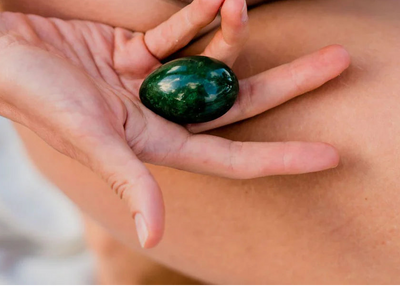
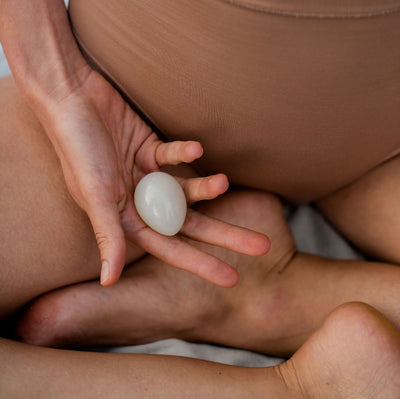
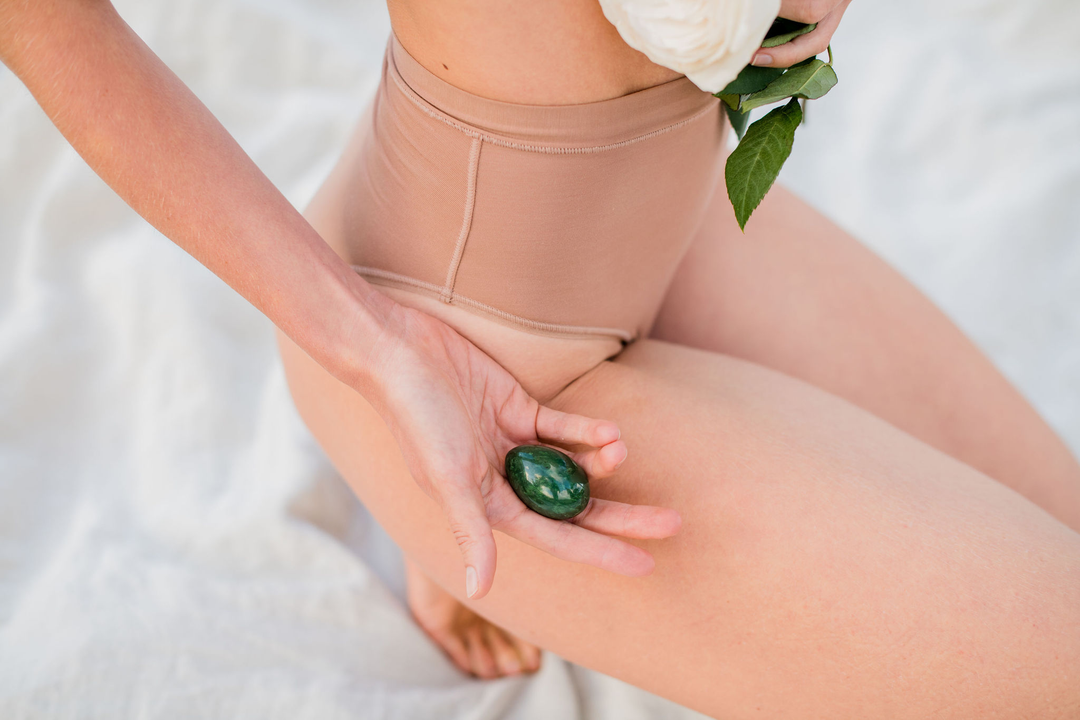
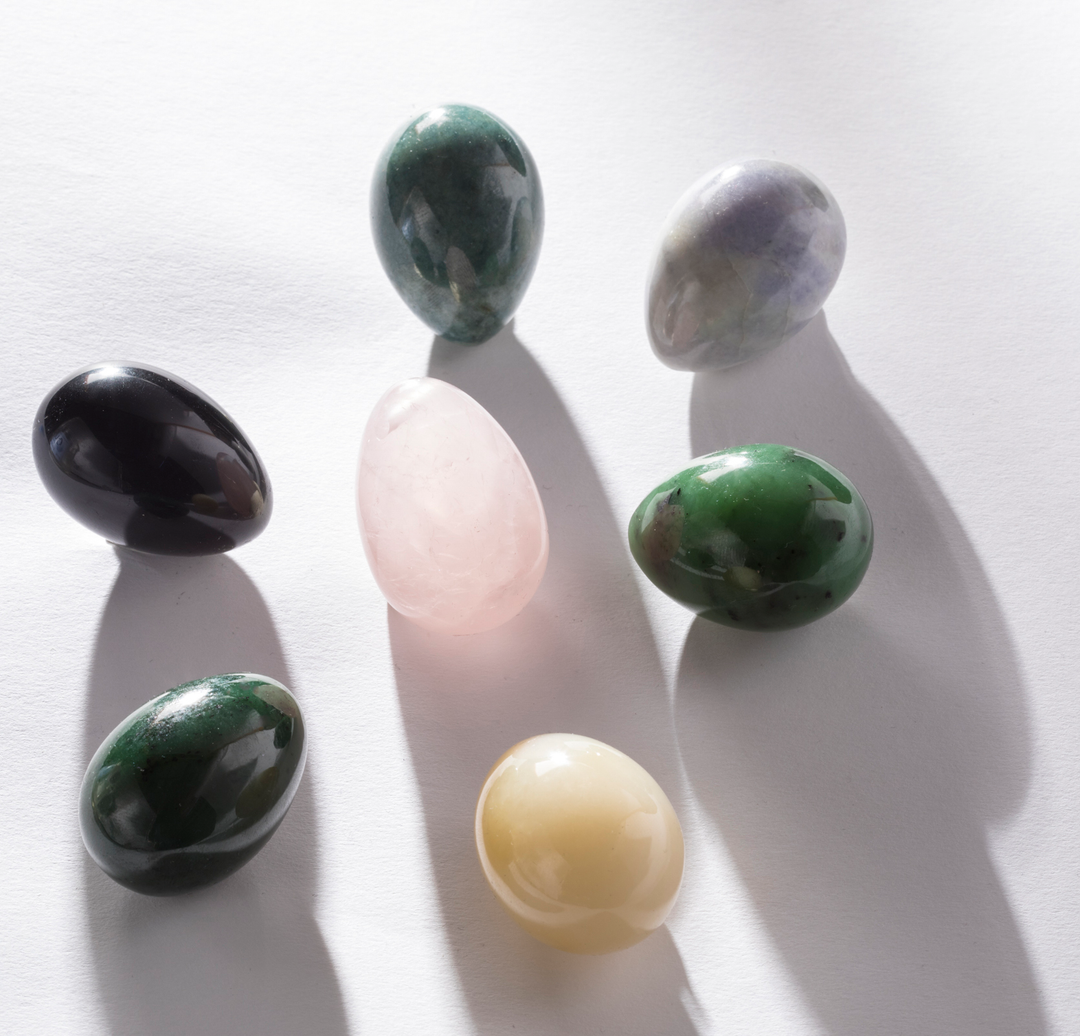
A yoni egg can be an incredibly mindful way to reconnect with the vaginal canal and restore gentle tone. When used with intention it guides the pelvic muscles into learning how to engage and release with more control. It also helps with awakening dormant nerve and muscle pathways inside the pelvis. This practice is especially supportive for postpartum healing or for those wanting to reawaken sensation and presence inside the vagina.
Movement and Mindfulness
Yoga, breathwork, and slow, intentional mobility practices help release unnecessary tension while strengthening the connection between your core, your breath, and your pelvic organs. Poses like child’s pose, supported bridge, and deep yogic squats allow the pelvic floor to lengthen and open. These positions create space in the pelvic bowl, encouraging the muscles to relax in ways daily life rarely allows. In pelvic floor therapy, targeted movements and techniques are used to release tension in the pelvic space.
Breath is equally important. When you hold your breath, internal pressure builds and the pelvic floor responds by either tightening or weakening. When you breathe deeply into your belly and ribs, the diaphragm and pelvic floor move together like a pair of wings rising and falling, tightening and softening in natural coordination, and proper breathing technique is the foundation of true pelvic floor health.
Frequently Asked Questions
Sudden or increased queefing or vaginal flatulence usually means more air is getting trapped inside the vaginal canal than before. This doesn’t automatically signal a weak pelvic floor, but it does point to changes in how your pelvic floor muscles, pelvic organs, and connective tissue are coordinating.
Many women experience queefing after sexual intercourse, during a yoga class, in poses like downward dog, or when inserting a tampon or menstrual cup, simply because the vagina is opening, stretching, or shifting in ways that naturally let more air in.
Hormonal changes, dryness, or the tissue being more open after vaginal birth can also allow more air to enter. A tight pelvic floor can also pull the muscles upward, creating more air space inside the canal.
A weak pelvic floor shows up through very specific sensations and symptoms. Think of it less as “looseness” and more as the body having trouble providing the internal lift and support your organs rely on. Common weak pelvic floor symptoms include leaking urine, leaking pee when you laugh or jump, a sense of heaviness in the pelvic area, difficulty holding in gas or stool, urinary incontinence, or even mild anal incontinence or fecal incontinence.
You may also notice constipation or functional constipation, because the pelvic muscles aren’t generating enough coordinated pressure for healthy bowel movements. Some women feel like their vagina is more open, receiving more air, or experiencing more queefing than usual.
Weakness can develop after giving birth, with hormonal changes, chronic coughing, heavy lifting, or years of holding tension in the core muscles. It can also come from trauma, sedentary habits, or simply the natural way the body ages.
No, queefing does not mean your vagina isn’t tight. This is one of the biggest misunderstandings women carry. Vaginal gas is about air movement, not “looseness.” Air enters the vaginal canal due to anatomy, pressure changes, lubrication, and the natural way your body opens during arousal and movement.
Here's the deeper truth: both tight pelvic floor muscles and weak pelvic floor muscles can lead to queefing. A “tight” pelvic floor actually pulls upward, creating more internal space where air can gather. A weak or weakened pelvic floor may not seal the canal as effectively, also allowing air in.
Not necessarily. Many women with strong pelvic floors experience queefing during sex, yoga, or stretching simply because the vaginal walls open and shift. However, queefing combined with other symptoms like leaking pee, pelvic heaviness, difficulty holding gas, or discomfort with penetration may point to pelvic floor muscle weakness or underactive pelvic floor muscles.
On the opposite end, queefing can also result from tight pelvic floor patterns. When the muscles grip or brace, they pull upward on the vaginal walls, creating pockets where air becomes trapped. In that case, the prescription isn’t more pelvic floor exercises, but learning to soften, breathe, and release tension.
If you’re unsure whether your queefing is connected to weakness, tightness, or simply normal anatomy, a pelvic floor physical therapist or trained physical therapist specializing in pelvic health can assess the root cause. It’s one of the most empowering steps a woman can take for her sexual health and long-term pelvic wellness.



Leave a comment