







Can You Use a Yoni Egg While Pregnant? How to Use Without Risk
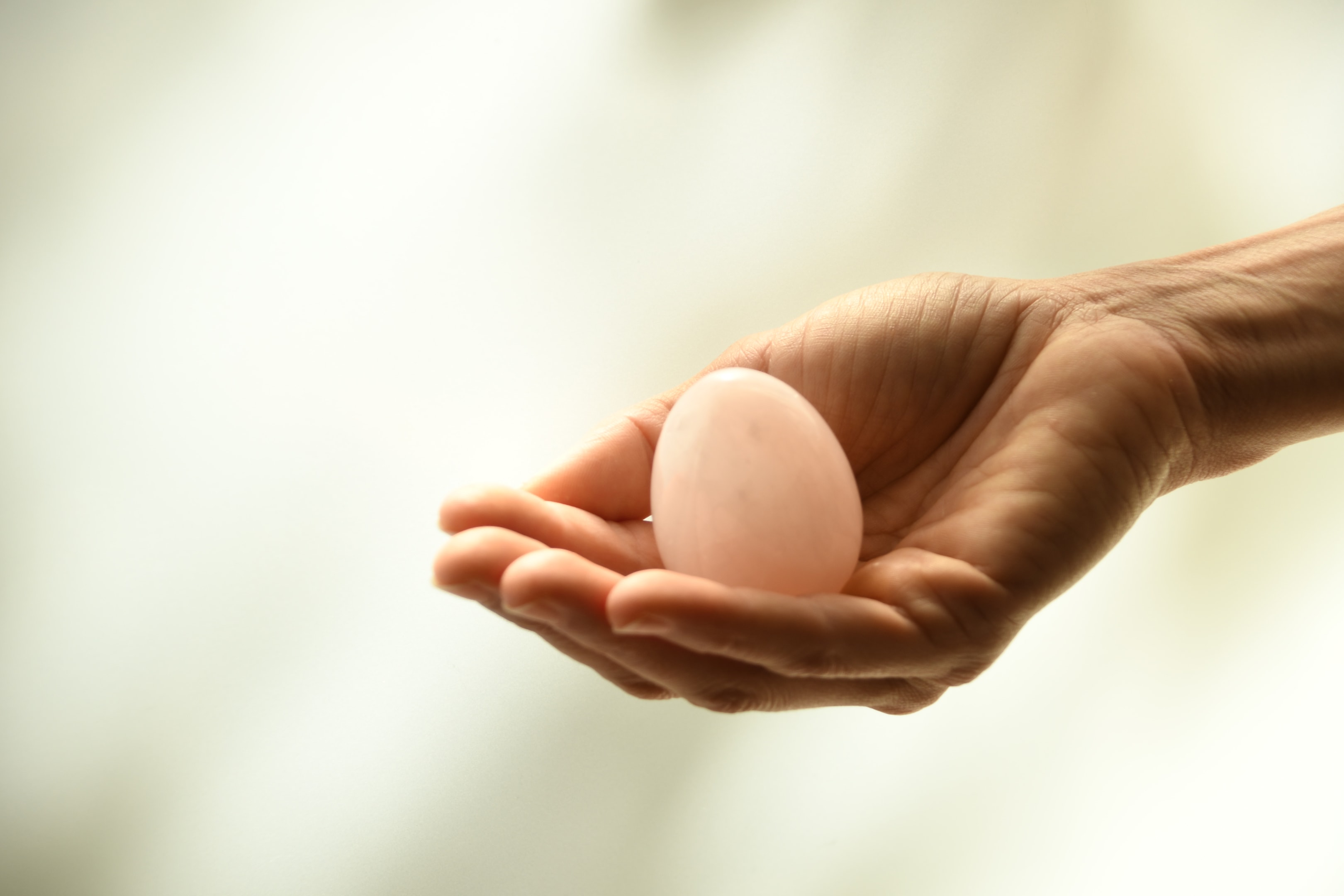
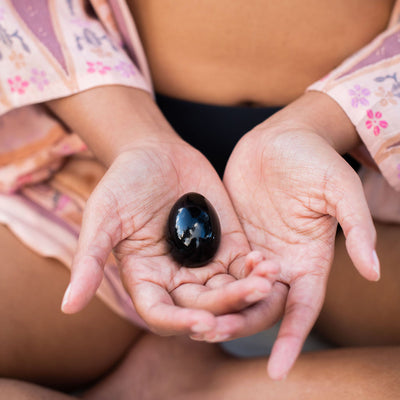
A yoni egg practice can be deeply supportive for women who want to connect with their pelvic bowl and heal through many shifts and changes that pregnancy and childbirth might cause.
But even though a yoni egg offers many benefits in general, it is not advised to use one for your first time while pregnant. The pregnant pelvis is in a state of profound change, and introducing a stone internally during this time can create unnecessary strain or stimulation at a moment when the body is asking for softness and protection.
This guide walks you through when it is safe to use a yoni egg, when it is not, and how to honor your connection to your womb without putting yourself or your baby at risk.
Yoni Egg Usage While Pregnant
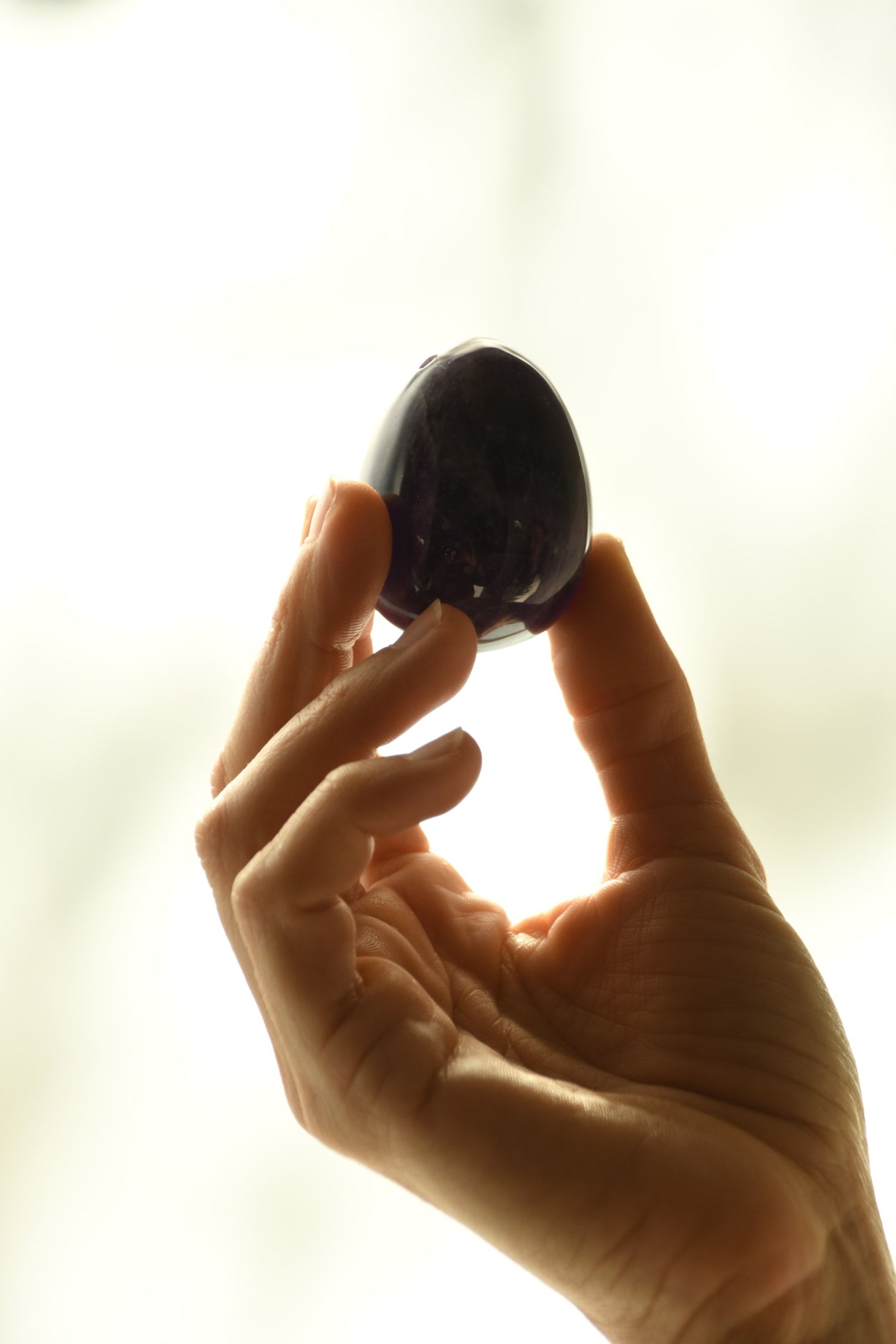
If a woman has never used a yoni egg before, pregnancy is not the moment to begin experimenting. Initiating this practice for the first time is a learning curve where the body must figure out how it responds to an internal object and what sensations are normal.
Pregnancy is not the terrain for first-time exploration, because the tissues, organs, and ligaments are already undergoing significant shifts. Introducing a new internal practice when everything is changing so quickly can create confusing signals.
However, this does not mean yoni eggs are universally off-limits in pregnancy. For the woman who has used her egg consistently before conceiving and whose body already recognizes the practice and responds with familiarity, the situation is different. In that case, many women continue using their egg gently during pregnancy. But even then, it’s essential to stay in conversation with a midwife, OB provider, or pelvic specialist who can help you assess what is safest for your unique body.
Read: Vaginal Wellness: Tips, Nutrition, Care & What's Normal
Is It Safe to Use a Yoni Egg While Pregnant?
If you want to try a yoni egg for your first time during pregnancy, it is best to explore other yoni-connective practices and reserve the yoni egg for later in post-partum healing period.
It is not recommended to use a yoni egg for the first time ever during pregnancy. For women who already have a deep, regular yoni egg practice before pregnancy, they can continue their yoni egg practices under certain conditions. Their bodies already know how to respond to the egg, and because of this embodied familiarity, some experienced practitioners may choose to continue their practice during pregnancy.
If You Used a Yoni Egg Before Pregnancy and Choose to Continue
For the experienced practitioner, continuing a very gentle relationship with the egg during pregnancy can sometimes feel nurturing, but this season requires heightened discernment and awareness. Here are grounded considerations to support your safety while honoring the sacredness of your body’s work:
-
Notice your baseline: Your pelvic floor is designed to soften during pregnancy. If you sense gripping, tension, or resistance, this is your body signaling that internal work may no longer feel aligned.
-
Stay attuned to sensitivity: The vaginal canal becomes more vascular, which means increased responsiveness. If the egg feels heavier, warmer, or overly stimulating, the body is asking you to pause.
-
Use shorter sessions and softer presence: Pregnancy is not a time for activation or strengthening. If you continue the practice, let it be about presence and feeling, not about engagement or “holding.”
-
Avoid upward pressure.: If you sense any contact or pressure near the cervix, even subtle, it’s a sign to remove the egg and rest. The cervix is highly responsive during pregnancy and deserves spaciousness.
-
Prioritize cleanliness and care: The risk of vaginal infection increases during pregnancy. If you choose to continue, be extremely attentive to hygiene and consult your provider regularly.
-
Stay in conversation with a prenatal pelvic floor specialist: Your body is changing rapidly. A provider trained in prenatal pelvic health can help you understand how your pelvic floor is responding and whether internal practices remain aligned for you.
Read: How To Know if Your Certified Yoni Egg Is Safe & Ethically Sourced
After Childbirth: When the Door Opens Again
For many women, the postpartum window is a powerful time to return to the yoni egg or to begin the practice for the very first time. The body is open, receptive, and rewiring itself. The womb, once fully devoted to holding and growing life, is now ready to be held and tended in return.
Most women are encouraged to wait until about six to twelve weeks postpartum, or until their provider confirms that internal healing is complete, the cervix is fully closed, and there are no signs of infection or complications.
When the doorway finally opens and you feel called back to the egg, the return must be slow and deeply attuned. Begin with the smallest egg your body feels ready for. Let your sessions be short and gentle, guided by soft, spacious breath.
Physical Risks of Using a Yoni Egg While Pregnant
Infection Risk
During pregnancy, the cervix softens and the cervical canal becomes more permeable, creating a pathway where bacteria can travel upward more easily than they normally would. The immune system inside the womb is intentionally “turned down” so the body doesn’t reject the baby, which means it cannot fight off infections as effectively. Many yoni eggs can trap bacteria, and ensuring high levels of hygiene during egg is essential. What would be harmless for a non-pregnant woman can pose a real risk during pregnancy, where even mild infections require immediate attention.
Cervical Pressure and Stimulation
The cervix in pregnancy becomes incredibly sensitive and hormonally responsive. Even light contact can trigger uterine tightening or cramping. A first-time egg user may not be aware of where the egg is resting or how it interacts with the cervix. It is important to avoid unnecessary stimulation of tissue that is meant to stay undisturbed until birth.
Vascular and Circulatory Sensitivity
The vagina and pelvic bowl receive dramatically increased blood flow during pregnancy. The tissues become fuller and more susceptible to swelling and irritation. Inserted objects, even when used gently, can create pressure that leads to bruising or amplified pelvic congestion, a sensation many pregnant women already struggle with. What would feel neutral during non-pregnant months can feel heavy or overwhelming when the vessels are engorged and working at maximum capacity.
Pelvic Floor Muscles Overstimulation
Pregnancy asks the pelvic floor to soften, lengthen, and prepare for the profound expansion of birth. The goal is suppleness, not strength. But when egg shaped stones are inserted, especially by someone new to the practice, the natural reflex is to grip or tighten around it. This gripping runs counter to the body’s biological design during pregnancy. Over time, unnecessary tension can contribute to pelvic discomfort or challenges later in labor when relaxation becomes essential.
Caring for Your Pelvic Floor During Pregnancy (Without Yoni Eggs)
1. Pelvic Awareness & Daily Check-Ins
One of the most powerful practices during pregnancy is simply learning to feel your pelvic area without trying to change it. Each day, place your hands on your lower belly, thighs, or hips and notice sensations: warmth, fullness, tension, or softening. Your pelvic floor muscles are naturally shifting into a more yielding state, preparing for birth. Awareness helps you sense whether you are unconsciously gripping, holding your breath, or bracing. This gentle attunement alone can reduce discomfort and support a smoother relationship with your changing body.
2. Breathwork for Pelvic Floor Release
Deep, slow breaths that widen the ribs and expand the belly help the pelvic floor soften. During pregnancy, breath is far more effective than any tightening exercise. When you inhale, imagine your breath traveling down to the base of your pelvis; when you exhale, imagine your pelvic floor melting downward. This teaches the vaginal muscles and surrounding tissues to relax rather than contract, the exact skill your body will need during birth.
3. Prenatal Yoga Designed for Pelvic Space
Gentle prenatal yoga, especially poses that support the hips, low back, and pelvic bowl can help your body open safely without overstretching. Movements like supported squats, cat-cow, hip circles, and wide-knee child’s pose create subtle length through the pelvic floor while respecting the increased blood flow and sensitivity of pregnancy. Yoga also reconnects you to your breath, helping you stay embodied rather than overwhelmed by physical changes.
4. Gentle Pelvic Tilts & Mobility Practices
Pelvic tilts, done on hands and knees or while seated, are one of the safest ways to encourage mobility in the sacrum and pelvis. These movements create space for your uterus as it grows, relieve pressure in the lower back, and help the pelvic organs stay aligned. Pelvic mobility also supports circulation in the area, which can minimize feelings of heaviness or congestion that many women experience in later trimesters.
5. Warm Compresses or Warm Baths
Applying a warm compress or sitting in a warm bath can soothe the pelvic bowl and support relaxation without internal stimulation. Warmth increases circulation, encourages softening in the internal muscles, and offers relief if you’re experiencing tension around the hips or low belly. This is especially helpful during times of increased pressure.
6. Healthy Posture & Pelvic Alignment
During pregnancy, posture changes naturally as weight shifts forward. Supporting your pelvis through good alignment, ribs stacked over hips, shoulders relaxed, tailbone neutral, helps prevent unnecessary gripping in the pelvic area. Proper alignment also improves breath and reduces strain on the pelvic floor.
7. Hydration & Tissue Nourishment
Hydration keeps the pelvic tissues supple and resilient. The increased blood volume during pregnancy means your tissues rely on water to maintain elasticity and comfort. Without adequate hydration, the pelvic muscles and fascia can become irritated or overly tight. Drinking water throughout the day, especially warm or room temperature water, supports the softening your body is already trying to achieve.
8. Gentle Kegel Exercises
Kegel exercises during pregnancy can be supportive when practiced with awareness and softness. This is not the season for intense strengthening or gripping. Instead, the focus is on gently coordinating the pelvic floor — learning how to contract lightly and then release fully. Many women discover the release is actually the hardest part, yet it is the most essential for childbirth.
A “pregnancy-safe” Kegel looks like a soft, subtle lift on the exhale followed by a slow, complete release on the inhale. Overly aggressive Kegels can create tension, so this practice should always feel gentle.
Frequently Asked Questions
Yes, most women can safely use a gentle yoni wash during pregnancy, as long as it does not disrupt the vagina’s natural pH or self-cleaning ecosystem. The vagina is a living, intelligent portal, a Sanskrit word that translates to “sacred source” and during pregnancy, her environment becomes even more sensitive. Choose washes that are unscented, simple, and free from harsh chemicals. Warm water or hot water alone is often enough.
If you’ve struggled with bacterial vaginosis, yeast overgrowth, or any recurring vaginal infection, speak with your healthcare provider before using anything new on the vulva or within the vaginal canal.
A yoni egg practice can be a powerful tool for self-discovery, sensual awakening, and reconnecting with the pelvic floor muscles, but safety depends entirely on timing, experience, and the body’s season.
During pregnancy, inserting a stone egg is not recommended unless you’ve had an established, regular practice before conceiving and are under direct guidance from a pelvic floor physical therapist or bodyworker deeply trained in pregnancy physiology.
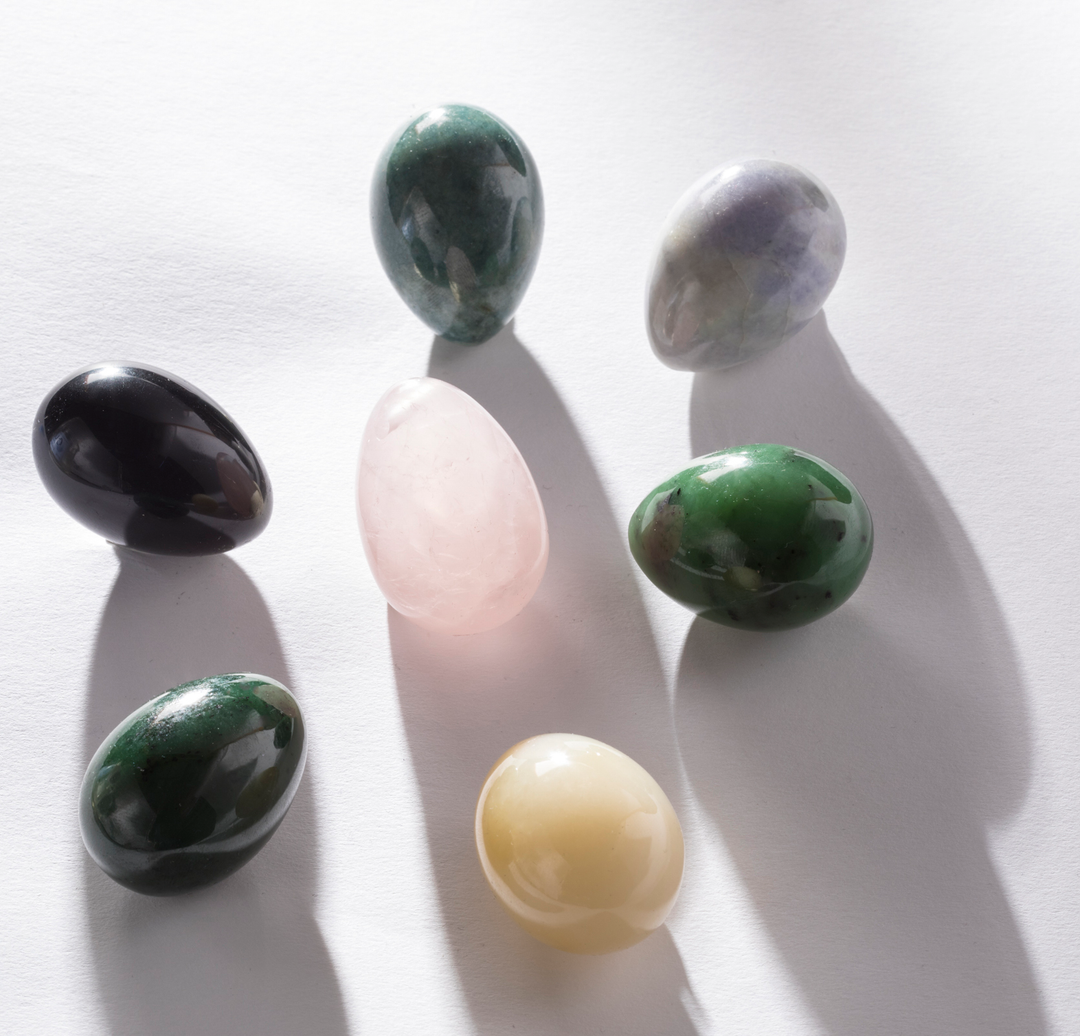
Outside of pregnancy, many women choose to work with these egg shaped stones to gently awaken the internal muscles, increase sexual energy, improve bladder control, prevent pelvic tension, and enhance sexual pleasure, much like ben wa balls, kegel balls, or kegel exercises. A yoni egg should never replace medical care if you’re experiencing pain, health issues, or chronic infections.
A yoni egg does not “tighten” in the way culture often imagines. Instead, it brings awareness to the vaginal muscles and the entire pelvic floor, helping women learn how to soften and only then when the body is ready, gently squeeze.
Many women discover that the path to an effortlessly “tight vagina” is actually a path of relaxation. When used correctly (outside pregnancy), a crystal egg helps women coordinate the pelvic organs, breath, and life force energy, improving both tone and flexibility.
Women who do this work often report incredible benefits of more sensitivity, reduced menstrual cramps, improved pelvic circulation, and deeper embodied pleasure. But these results come from mindful, relaxed practice, not from weight lifting with a yoni egg or forcing the pelvic area to work.
A yoni egg cannot truly become “lost.” The vagina is a closed space; it does not lead anywhere except to the cervix, which remains sealed, especially during pregnancy or prior to giving birth. That said, an egg inside can feel “stuck” if the pelvic floor tightens around it, if you’re anxious, or if you’re using a larger egg than your body was ready for. Most women simply need to breathe deeply, relax the thighs, or squat gently, and the egg falls out on its own.
For some, a drilled yoni egg with a drilled hole and retrieval string offers reassurance, especially when first learning. Whether using a drilled egg or undrilled, the body will always release it when relaxed enough. If the egg remains inside longer than intended (such as after a bowel movement, shower, or short period of forgetting), rest assured the vagina knows how to let go.



Leave a comment