




Postpartum Pelvic Pain Recovery: How to Heal Naturally After Birth
Birth is incredible. It asks everything of you, and it is a powerful transformation that leaves no part of you untouched.
But one of the most common lingering effects of this process is postpartum pelvic pain that affects a lot of women in the weeks and months after birth. This is mainly due to the pelvic floor and surrounding tissues still healing from the intensity of pregnancy and delivery.
This pain can be frustrating and even worrying, especially when you’re told to just give it time. Postpartum pelvic pain is common, but it’s not something you have to simply live with. Your body is designed to heal, but it needs the right kind of support.
In this article, we’ll explore what causes postpartum pelvic pain and how to work through the discomfort both physically and somatically so you can feel confident and fully at home in your body again.
Why Postpartum Pelvic Pain Happens
1. Hormonal Factors: The hormone relaxin, which softens ligaments and tissues during pregnancy, can stay active in your body for up to a year after birth. This means your joints, especially the hips, sacrum, and pubic symphysis remain looser than usual. The result can be clicking, instability, or deep aches in the pelvis and lower back.
2. Physical Strain from Birth: The physical act of birth places an enormous amount of strain on the pelvic tissues. Whether vaginal or Cesarean, the process leaves behind changes that your body must carefully heal from.
3. Core and Postural Changes: During pregnancy, the abdominal muscles naturally stretch and may separate, a condition called diastasis recti. This weakens the core and shifts the load downward, asking the pelvic floor to work harder than it should.
4. Nervous System and Emotional Imprint: Birth is also deeply emotional. If trauma or overwhelm were part of the experience, the nervous system can stay on alert long after birth. This often shows up as chronic pelvic tension or numbness in the vaginal area. The muscles may hold protective patterns that keep them from relaxing or engaging properly.
5. Pelvic Organ Changes: After birth, the organs within the pelvis may shift slightly from their pre-pregnancy positions. If the pelvic floor is weak or overstretched, it can lead to a sense of heaviness or bulging which is commonly linked to pelvic organ prolapse.
6. Nerve Irritation: The nerves that run through the pelvis, especially the pudendal nerve, can become irritated or compressed during birth. This can create burning or sharp pain around the vagina, rectum, or inner thighs.
7. Lack of Recovery Time and Support: Modern life doesn’t always allow the slow, supported recovery the body truly needs after birth. Returning to daily tasks and not resting enough can delay tissue repair and reinforce pain patterns. The pelvic floor heals best when it’s given time.
Practical Relief Options for the First 6 Weeks
Rest & Positioning
When you lie down, your pelvic organs are no longer pulled downward by gravity, giving the muscles and ligaments space to recover. Lying on your side with a pillow between your knees helps align the hips and relieves tension in the lower back and sacrum, areas that often carry strain after birth. This position also takes pressure off the perineum, allowing any tears or stitches to heal without irritation.
Another powerful yet simple posture is “legs up the wall.” By lying on your back and resting your legs vertically, you encourage blood and lymphatic fluid to drain away from the pelvic bowl. This also helps deliver oxygen and nutrients to healing tissues. Even ten minutes a day can make a noticeable difference in how your pelvis feels.
Free Bleeding

After birth, the uterus releases lochia, a combination of blood, tissue, and fluids that cleanse the womb. Instead of containing this flow with pads or tampons, free bleeding allows your body to release naturally onto a soft, absorbent blanket or towel. This approach reduces friction and pressure on the perineum, especially if you have stitches or scar tissue. Pads can also trap moisture and rub against sensitive areas, which may slow healing or cause discomfort.
Free bleeding after birth can be a surprisingly empowering part of recovery. Instead of relying on the awkward post-birth pad and mesh panty combo, having a few dedicated Free-Bleed® blankets or absorbent towels ready allows you to rest comfortably and let your body do what it needs to do.
When blood is allowed to flow freely, it prevents pooling inside the vaginal canal, which helps minimize odor and encourages the uterus to contract and cleanse more efficiently. The simple act of allowing your bleeding to move naturally can also be grounding and a way to reconnect with your body and honor everything it’s just accomplished.
Comfort Therapies
Temperature therapy is one of the most effective ways to ease postpartum pelvic pain. During the first week, the tissues are still inflamed and swollen, especially if there was tearing or stretching during birth. Applying cold compresses or perineal ice packs helps calm that inflammation.
After the first week, warmth becomes the better medicine. A sitz bath, simply sitting in a basin or wide bucket of warm water deep enough to submerge your perineum can be profoundly soothing. Adding herbs like calendula or lavender offers additional anti-inflammatory and antibacterial benefits, while Epsom salts help relax tight muscles and draw out lingering tension.
Our Healing Vaginal Pain Course
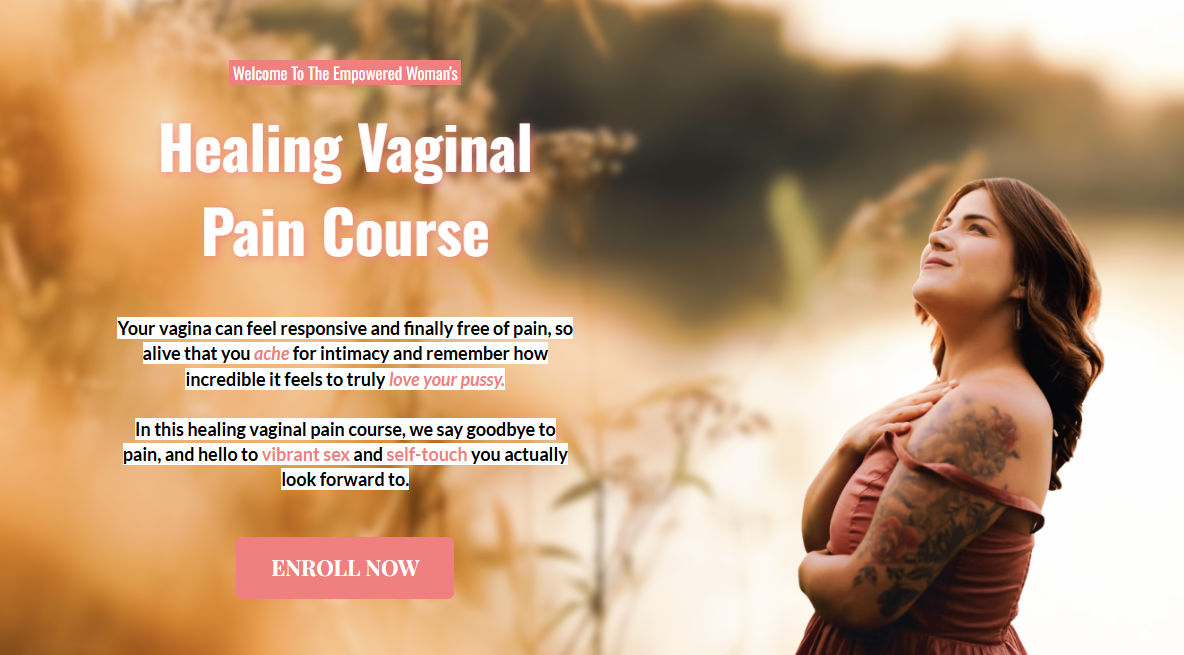
Healing Vaginal Pain is an online membership by The Empowered Woman, designed for women who experience any kind of vaginal or pelvic pain, and is especially effective for women during pregnancy or after birth.
This program combines physical based pelvic healing with somatic and emotional education. Across 11 in-depth modules and 57 guided lessons, you’ll learn how to understand the real causes of pain and how to address them step by step.
Each lesson is clear, practical, and trauma-informed, teaching you how to regulate your nervous system and release holding patterns that can cause pain. We talk about how emotions and birth experiences can become stored in the pelvic muscles, and how to release that tension to support both healing and pleasure.
The Best Pelvic Floor Exercises 6 Weeks After Giving Birth
At around six weeks postpartum, most women are cleared by their healthcare provider to begin gentle pelvic floor exercises. This is the stage where your body transitions from immediate recovery into active rebuilding.
At this stage, targeted pelvic floor exercises are important in your healing process. Here are some easy exercises you can try.
1. Diaphragmatic Breathing
Your breath is the foundation of pelvic recovery. The diaphragm and pelvic floor work in partnership; when you inhale, both naturally descend, and when you exhale, both gently lift. This synchronized motion massages the pelvic organs and releases excess tension that contributes to postpartum pelvic pain.
How to do it:
Lie on your back or side with knees bent. Place one hand on your ribs and one on your lower belly. Inhale deeply, feeling your ribs and abdomen expand. As you exhale, imagine your pelvic floor gently lifting, not squeezing, just drawing upward slightly. Continue for 5–10 minutes a day.
2. Pelvic Tilts
After vaginal delivery or Cesarean birth, the pelvic joints and ligaments can feel unstable. Pelvic tilts retrain the connection between your pelvis, hips, and spine, strengthening the deep stabilizers and improving alignment. This movement is especially helpful for women experiencing sacroiliac joint pain or pelvic girdle pain.
How to do it:
Lie on your back with knees bent, feet flat. As you exhale, flatten your lower back against the floor by gently tucking your pelvis under. Inhale and release to your starting position. Move slowly, without pushing. Ten to fifteen reps a day is enough to retrain these subtle stabilizing muscles.
3. Glute Bridge
Strong glutes support the pelvic bones and relieve strain from the pelvic floor. Weakness in these muscles can lead to chronic pelvic pressure and back discomfort. This exercise helps distribute weight evenly through the hips and pelvis, improving stability and reducing pain in the lower body.
How to do it:
Lie on your back with knees bent, feet hip-width apart. Press through your heels and slowly lift your hips, keeping your ribs soft. Hold for two breaths, then lower down slowly. Repeat 10–15 times. Focus on controlled movement rather than height.
Somatic & Sexual Recovery Practices
Once your physical healing is underway and you’ve passed the early postpartum phase, your body begins to crave reconnection. The uterus has contracted and the hormonal tides are shifting again. But deep in the pelvic floor, in the muscles, fascia, and nerve pathways that were stretched or compressed during pregnancy and birth, there can still be holding patterns.
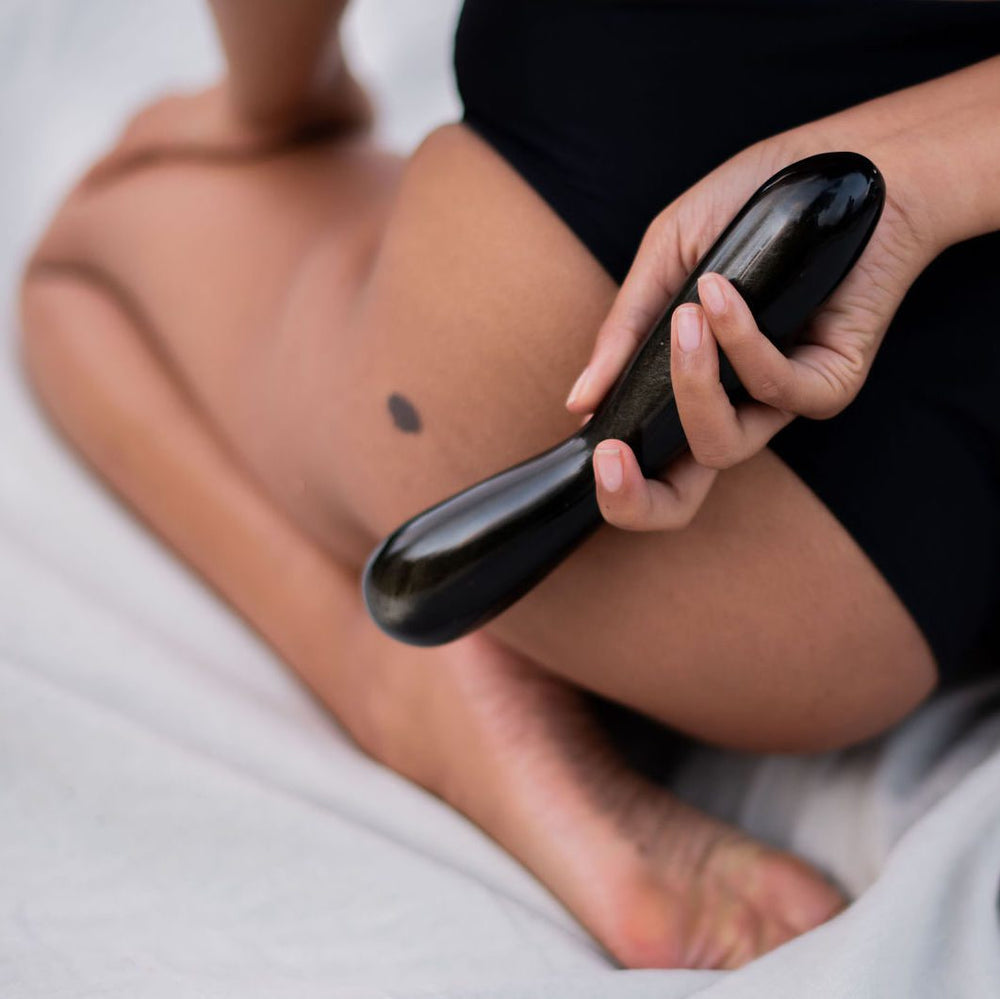
Wand Work
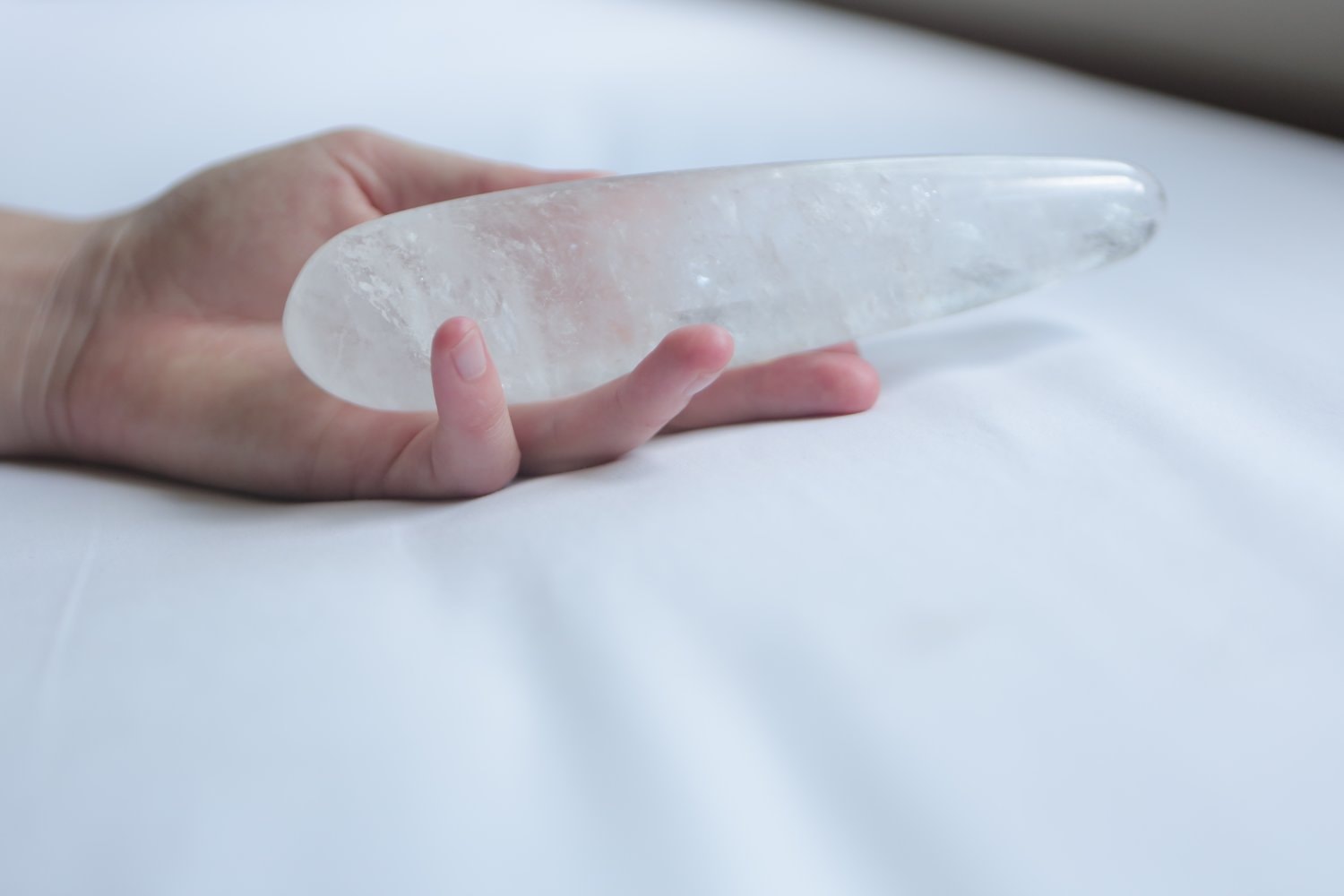
Around 6–8 weeks postpartum, once bleeding has stopped and your care provider confirms your tissues have healed, you can begin gentle internal work with a smooth, warm crystal wand.
Birth stretches the vaginal canal and pelvic floor in ways that can leave behind small pockets of fascial tension or reflexive muscle guarding. Using a wand helps with re-educating the tissues and retraining the nervous system to recognize safety. When you apply slow, steady pressure with conscious breath, the body receives new feedback that this area is safe, this touch is controlled, and the muscles can release.
Over time, this practice helps dissolve protective gripping and restores sensory awareness in tissues that may have gone numb or hypersensitive after birth. .
Yoni Egg Work
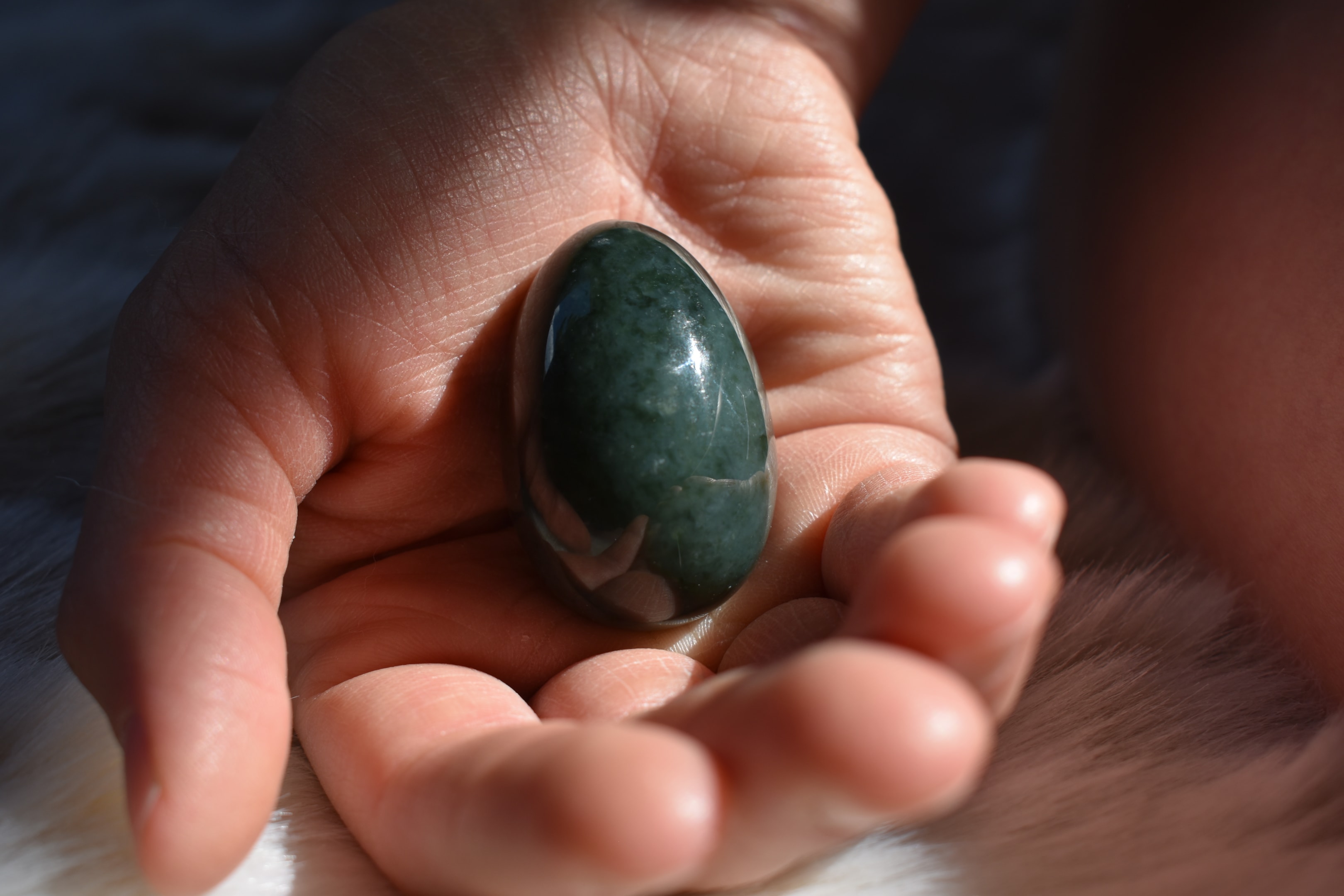
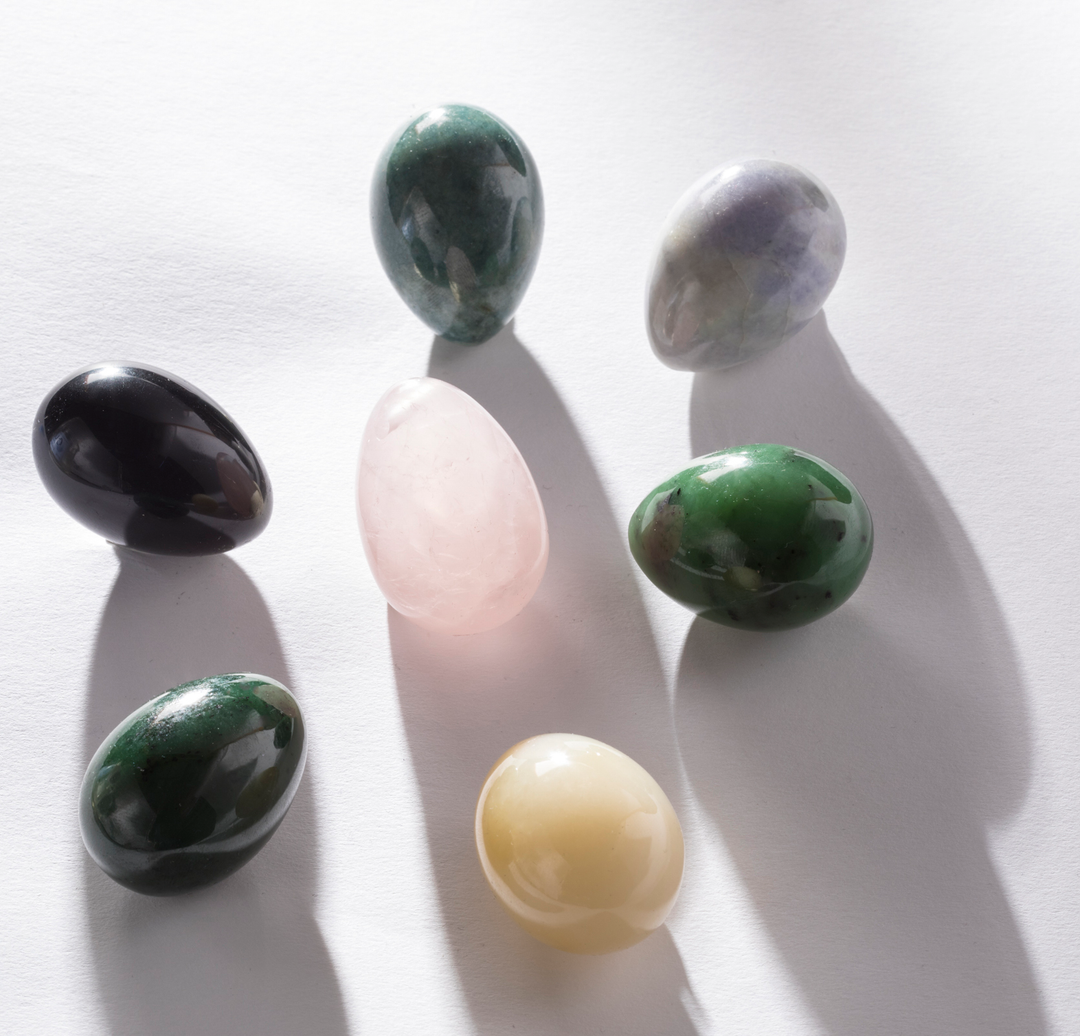
By about 12 weeks postpartum, once your vaginal tissues are fully healed and you’ve confirmed there’s no prolapse or open scar tissue, you can explore yoni egg practice as a mindful way to reawaken tone, coordination, and sensitivity.
Pregnancy and birth often leave the pelvic floor either over-tightened in protection or under-responsive from overstretching. A yoni egg offers gentle, responsive feedback to rebuild neuromuscular connection between your brain and your pelvic floor.
This simple rhythm of engage and release restores elasticity and improves the brain’s “map” of your pelvic floor (called proprioception). Over time, you’ll notice more accurate muscle control and a return of supple strength.
In the early months postpartum, a large-sized egg is generally best. Start with 5–10 minutes, two to three times per week 12 weeks after giving birth.
Frequently Asked Questions
Postpartum pelvic pain can feel like an ache, heaviness, or pressure deep in the pelvic area. Many women describe a pulling or burning sensation around the vaginal opening, perineal tear, or episiotomy scar, especially after sitting or standing for long periods. Others feel sharp pain in the hips, pubic symphysis, or lower back that may radiate through the pelvic region or down the thighs.
The duration of postpartum pelvic pain depends on the level of strain the pelvis and pelvic floor muscles experienced during pregnancy and birth. For most women, mild pelvic pain or pelvic pressure improves within six to eight weeks as the pelvic joints, ligaments, and muscles begin to heal. However, if the pelvic floor muscles remain weak or tight, or if there is pelvic floor dysfunction, pelvic girdle pain, or sacroiliac joint pain, recovery may take several months. Persistent pain beyond three months is considered ongoing pain and may indicate deeper imbalances in the pelvic girdle, core muscles, or pelvic floor.
Pelvic instability after birth happens when the ligaments and joints that hold the pelvis together remain too loose after delivery. During pregnancy, the hormone relaxin softens the ligaments of the pelvic girdle, especially around the sacroiliac joint and pubic symphysis, allowing the pelvis to widen for the baby’s head to pass through the birth canal. After childbirth, it takes time for these ligaments to tighten again, and if the pelvic floor and core muscles are not functioning properly, the pelvis can feel wobbly or misaligned.
This condition often presents as sacroiliac joint pain, clicking or grinding at the pubic symphysis, or a sense of shifting when walking or turning in bed. The pelvic bones may feel uneven, and some women experience difficulty walking or standing on one leg. Pelvic instability can also lead to pelvic girdle pain or a sensation of heaviness in the pelvic organs. The best treatment is guided rehabilitation through pelvic floor physical therapy, where a physical therapist teaches core muscle activation and pelvic floor exercises to restore strength and coordination.
Postpartum pelvic pain has several underlying causes that often overlap. The most common is trauma to the pelvic floor muscles and connective tissue during pregnancy and vaginal delivery. The pressure of the baby’s head moving through the birth canal can overstretch the pelvic floor and abdominal muscles, leading to weakness or spasm. A perineal tear, perineal laceration, or episiotomy can create scar tissue that pulls on surrounding soft tissue and causes ongoing pain or discomfort during movement or intimacy.
Pelvic girdle pain may develop when the pelvic joints become strained or misaligned, particularly the sacroiliac joint and pubic symphysis. Diastasis recti, or separation of the abdominal muscles, can further destabilize the pelvis, placing extra stress on the pelvic floor. Hormonal changes after birth—especially lower estrogen levels during breastfeeding can cause vaginal dryness and tenderness around the vagina and perineum. Occasionally, infection, inflammation, or pelvic organ prolapse may also contribute to chronic pain.



Leave a comment