








Yoni Mapping: An Invitation Into Slow, Attuned Self-Touch

The reflections and practices shared here are extracted from the Therapeutic Self-Touch module in the Viva La Vagina 2.0 online membership.
For many women, disconnection from pleasure is a consequence of living in a body that has learned to stay alert, guarded, and away from itself. The body adapts to stress and overstimulation by leaving. Slowly, subtly, we move up and out of our bodies, while the pelvis becomes a place we only return to when pleasure is expected of us.
So, what is yoni mapping? It is a practice of slow, intentional self-touch that invites safety back into the pelvis. The yoni is sacred anatomy because memory, emotion, sensation, and wisdom live in these tissues. When we do not listen, the body speaks louder through pain or shutdown. Yoni mapping offers a way of learning the body's language before it has to scream. It is also a way of staying in relationship with ourselves so that healing and pleasure do not require dramatic effort or force.
Yoni Mapping vs Yoni Massage
Yoni mapping is a practice of assessment through touch. It involves using your fingers or tools to slowly explore the vulva, vaginal canal, and surrounding pelvic tissues in order to identify differences in sensation and tissue response. During yoni mapping, you are noticing where the tissue feels sensitive or open. You are also noticing how the body responds to pressure, stillness, and movement. The purpose is to build a clear internal map of your own anatomy and how it responds to touch. This kind of pelvic mapping allows you to understand how your own tissues respond.
Vaginal massage involves applying specific massage movements to the vaginal tissues. This may include relaxing tight muscles, softening scar tissue, increasing circulation, reducing discomfort, or stimulating sensation.
The key difference is intention and method. Yoni mapping is observational and non-directive. Vaginal massage is active and outcome-oriented. In yoni mapping, the body leads and the hands follow. In vaginal massage, the hands lead and the tissue responds.
Read: Yoni Healing Essentials: How to Reclaim Comfort & Sensation
Why Women Feel Disconnected from Their Pleasure Potential
The issue is not that pleasure is gone. It's that the body is tired, and the nervous system has been living for a long time in a state of low-level stress, vigilance, and adaptation. When the body is constantly orienting outward it slowly loses its capacity to rest. And pleasure requires rest. It also requires a sense of safety in the body that allows sensation to be received.
Desire does not emerge in a body that does not feel safe. When the nervous system is dysregulated, the body prioritizes protection over receptivity. Even if the mind wants intimacy or sexual connection, the tissues themselves may not be available.
Modern life keeps many women living above the neck while the pelvis is left behind. Over time, this creates a quiet form of disconnection, where the body is present but not fully inhabited. In this state, intimacy can start to feel like another task, another thing to initiate or manage, rather than an experience the body genuinely wants to move toward.
There is often a large gap between the state the body spends most of its day in and the state required for pleasure. When that gap becomes too wide, the transition into intimacy can feel overwhelming. It can feel like work. This is why so many women believe something is wrong with their libido, when in reality, libido is not missing, it is simply inaccessible from the state the body is living in most of the time. When safety is restored, the body's pleasure potential begins to re-emerge naturally, without effort or pressure.
From Self-Pleasure to Self-Touch

There is an important distinction I make between self-pleasure and self-touch. Self-pleasure is often oriented toward sensation, arousal, or orgasm. Self-touch, as I experience it, is something different. It is not about trying to create a particular state or outcome. It is about placing my hands on my body in a way that is listening, responsive, and present. This distinction is central to vaginal mapping, because it changes the quality of how we meet ourselves.
Self-touch can include the yoni directly, and yet it does not need to feel sexual to be intimate. It can be nurturing and exploratory. I touch my body to comfort myself, to bring awareness back into my pelvis, and to settle my nervous system after stress. Sometimes this touch is external, sometimes it includes the vulva or even internal tissues, but the intention remains the same: connection first. In yoni mapping, touch becomes a way of being in relationship with the body rather than extracting pleasure from her.
Over time, I noticed that self-touch became one of the most effective ways to regulate my nervous system. When I place my hands on my body, especially my pelvic tissues, my body begins to soften. This kind of touch de-escalates stress not because I am trying to relax, but because the body feels met. This is one of the quiet foundations of sexual healing, which is learning how to create safety from the inside, through our own presence.
The Importance of Hands-On Touch For So Many Women
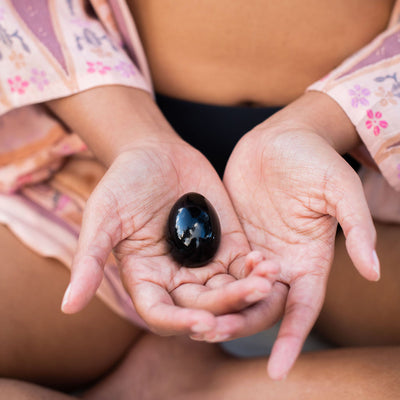
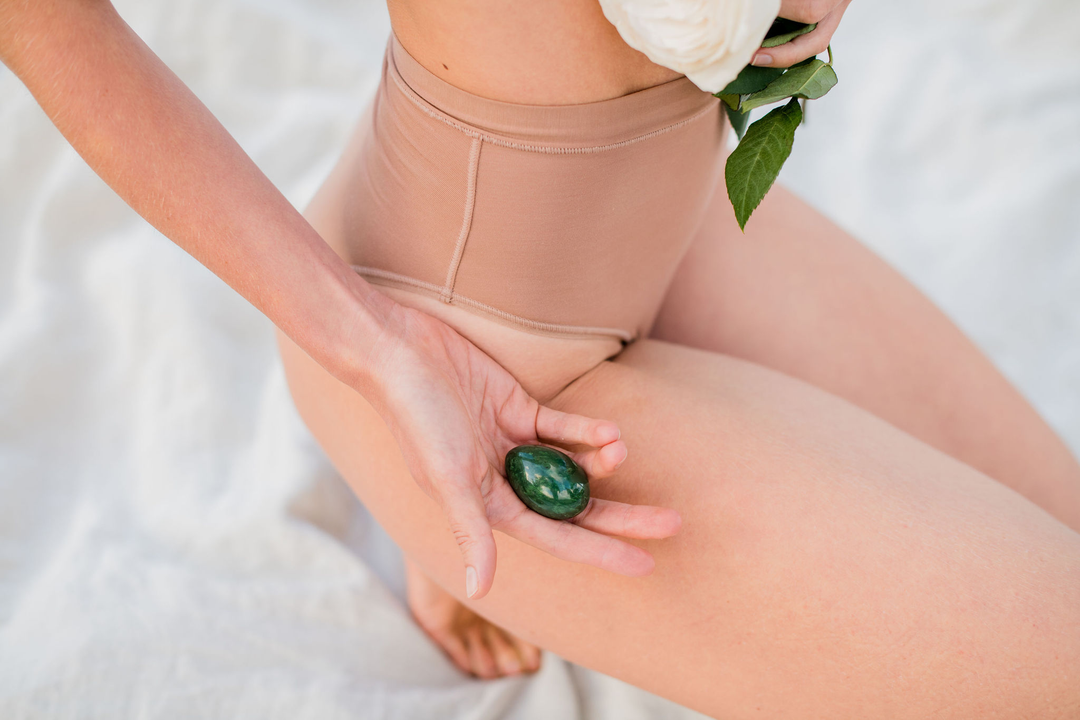
There is something fundamentally different that happens when we touch our own body with our hands. Hands carry warmth, sensitivity, and responsiveness in a way that no tool can fully replace. When I place my hands on my yoni, there is an immediacy and intimacy that invites the body into relationship. This is why hands-on touch is such an important part of yoni mapping. It allows the body to feel met by me, not by an object or technique.
Touch with the hands becomes a two-way conversation. As I explore my tissues, I'm listening. I'm feeling how my body responds to pressure, speed, and presence. I'm noticing where there is softness, where there is resistance, and where my touch wants to slow down or pause. Through yoni mapping, the hands learn to respond moment by moment, adjusting based on what the body is communicating rather than following a predetermined plan.
This responsiveness is what builds trust. When the yoni feels that she is being listened to, rather than acted upon, she begins to open in her own way. Being available to receive what the yoni wants to share requires that we stay present and attuned. Over time, this quality of touch deepens intimacy and strengthens the relationship we have with our own body.
Read: Releasing Stored Trauma & Tension Through Dearmouring
Mapping Session: The External Pelvic Landscape
When I begin exploring my body, I always start with warmth, orientation, and presence. There is no rush to get anywhere. My hands arrive first, simply letting the tissues know that I'm here. This is an important part of yoni mapping, allowing the body to feel met before asking anything of her. Touch begins slowly, guided by breath, so the nervous system has time to soften and settle.
I touch without agenda. There is no goal to arouse or change sensation. I might roll the tissue gently between my fingers, make small circles across the pubic bone, or glide my hands along the inner thighs and vulva. These simple movements wake up the tissue, bring blood flow, and restore awareness. Through yoni mapping, even the most subtle forms of touch become meaningful when they are offered with presence.
As I continue, I begin to notice differences in texture, density, and sensitivity. Some areas feel soft and open, others firmer or less responsive. There is a quality of innocence in this kind of exploration, as though I am meeting my body for the very first time. I allow myself to be surprised by what I feel and by how my body responds.
Internal Yoni Mapping Session

When I move toward internal touch, the most important part is often the pause. The vaginal entrance is a gateway, and I don't rush past it. I let my finger rest there. I breathe. I allow the tissues to feel my presence before any movement happens. In yoni mapping, this moment of waiting is where the body begins to reveal whether she feels safe enough to open.
Breath leads everything here. I'm not guiding my breath to make something happen, but allowing it to soften the body from the inside. As I inhale, there is space. As I exhale, there is settling. I notice how the pelvic floor responds to this rhythm, whether there is subtle expansion, contraction, or holding.
At the entrance, I pay attention to the difference between resistance and softness. As I move slowly, I begin to track subtle movements and energetic responses. There may be a gentle drawing inward on the inhale, or a rebound on the exhale. There may be warmth, emotion, or a sense of settling deeper into the body. In yoni mapping, these responses matter more than how far I go or how much I touch. The body is always communicating, if I'm willing to listen.
One of the clearest lessons this practice offers is the difference between waiting and pushing. Receiving, I've learned, is a skill the body relearns over time.
Read: The Deep Meaning of Yoni: Origins & Symbolism
The Yoni as a Holder of Memory and Meaning
Over time, it becomes clear that the yoni is a holder of lived experience. Everything the body has moved through leaves an imprint here. Through yoni mapping, we begin to sense that touch brings out what the body remembers.
There are things the body holds that the mind cannot fully process. Touch offers a way in. This is one of the quiet ways sexual healing unfolds by allowing the body to complete experiences through awareness and contact.
In yoni mapping, the tissues reveal layers. There may be areas that feel open and responsive, and others that feel dense, quiet, or guarded. When approached through the lens of somatic sexology, the body is understood as intelligent and self-organizing, capable of unwinding what it holds when it feels safe enough to do so. This is also the heart of yoni therapy.
Yoni Mapping Benefits
-
A deepened sense of presence and inhabitation in the body
-
Increased sensitivity and clarity of sensation over time
-
Greater self-awareness of physical, emotional, and energetic responses
-
Improved communication with the body through touch and attention
-
A stronger sense of safety and ease in the pelvic area
-
Reduced patterns of dissociation or numbness in the body
-
More consistent access to pleasure without pressure or effort
-
Pleasure that arises naturally rather than needing to be chased
-
Greater trust in the body's timing, signals, and boundaries
-
A softened, more responsive pelvic floor over time
-
Increased confidence that comes from inhabiting the body fully
-
Subtle, cumulative healing rather than dramatic or destabilizing shifts
-
A more intimate, respectful relationship with the yoni
-
Sexuality that feels integrated into daily life rather than separate from it
-
A felt sense of regulation that supports intimacy, creativity, and connection
Using Crystal Tools in Yoni Mapping
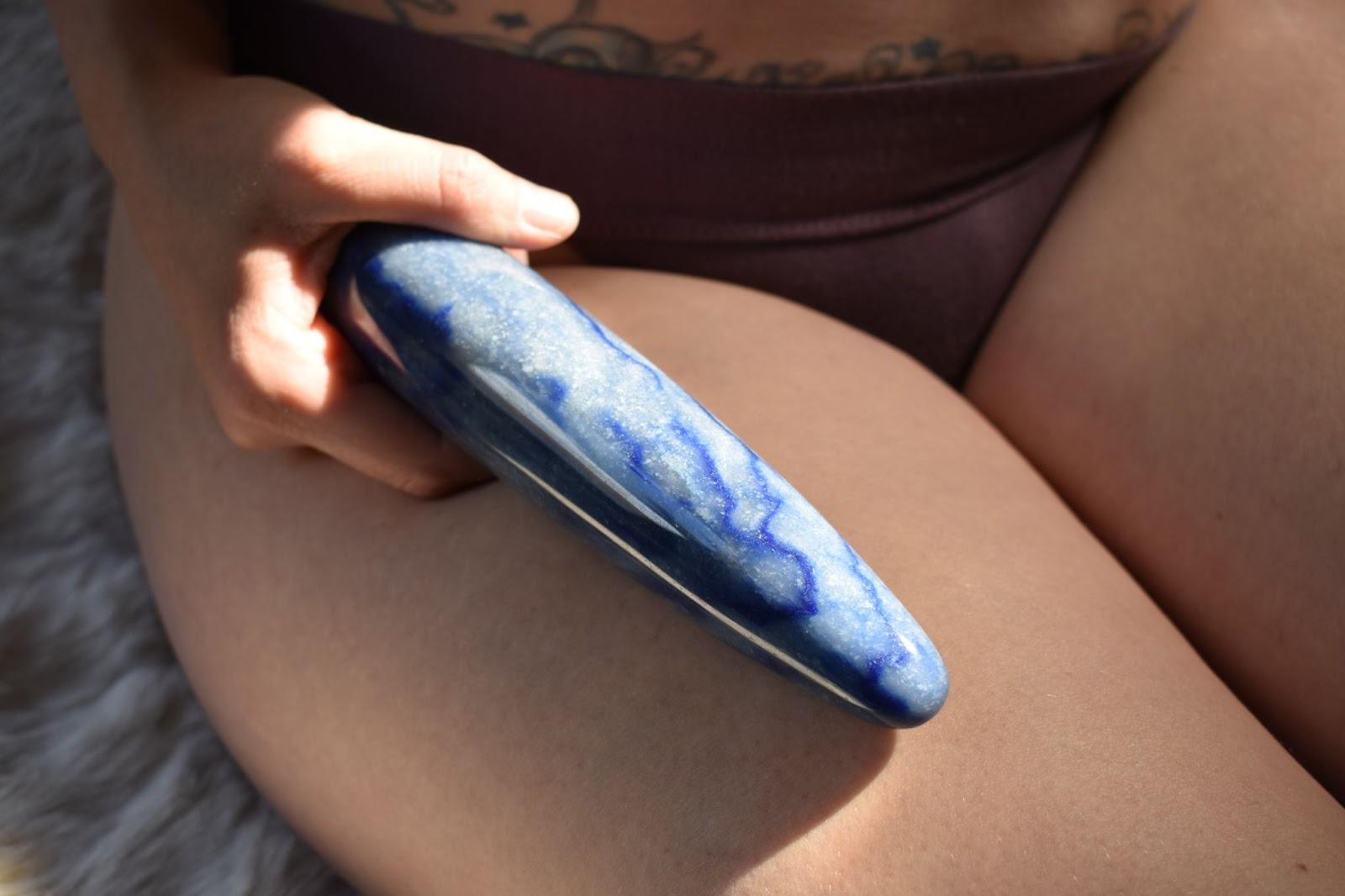
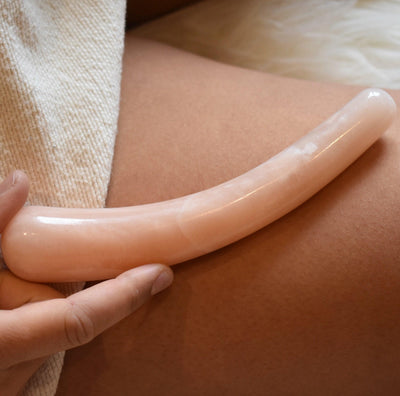
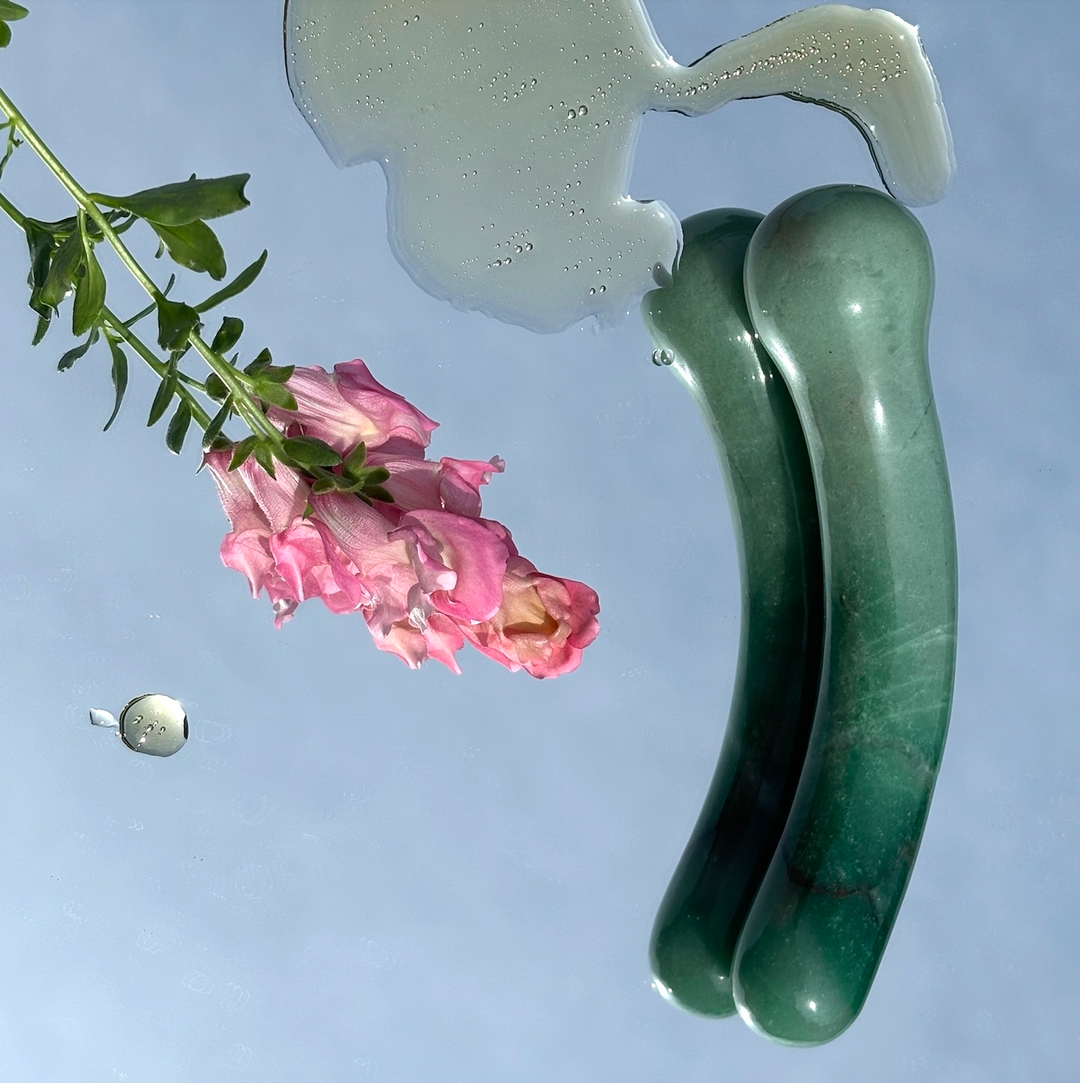
Blue Quartz Pleasure Wand by WAANDS™
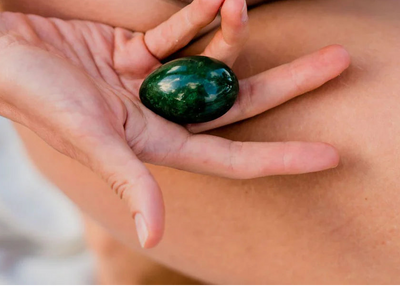
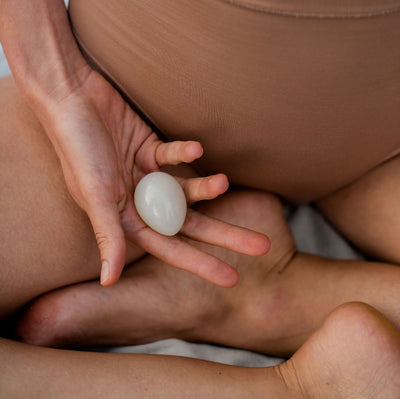
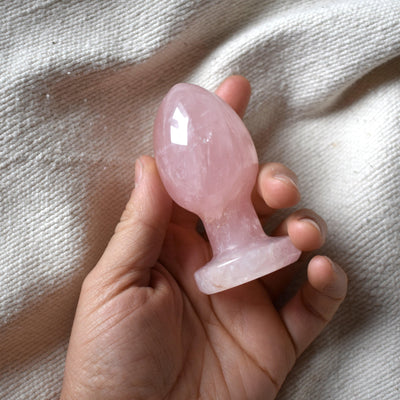
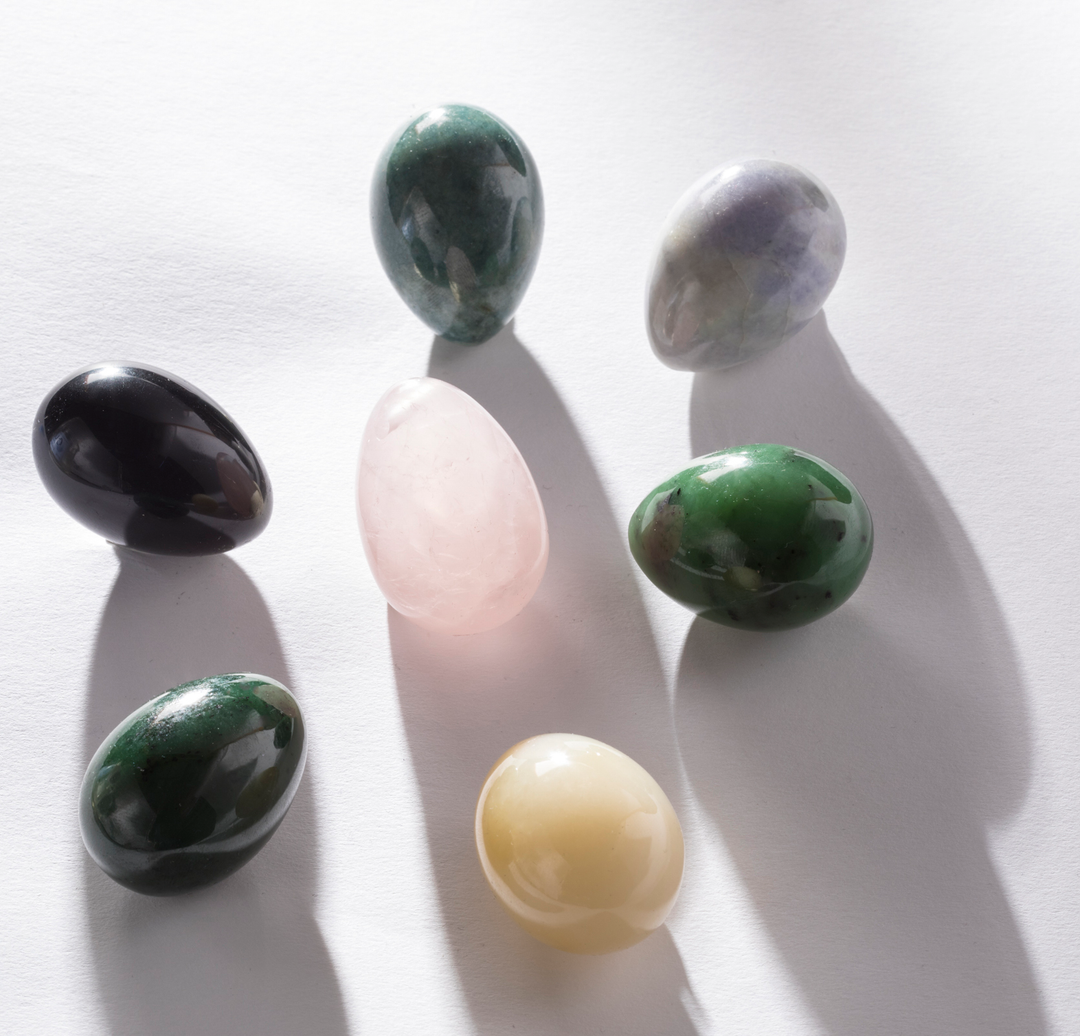
While hands-on touch is foundational in yoni mapping, there can also be a place for crystal tools when they are used with presence. Crystal tools and pleasure wands invite a different quality of contact. Their weight, temperature, and steadiness can offer the body something distinct from the softness and responsiveness of the hands. When used slowly, they can help bring awareness into deeper layers of tissue and sensation, especially when the nervous system already feels regulated and safe. As with all yoni mapping practices, the intention is not to make something happen, but to notice what is already there.
What matters most is how a tool is used. In this work, touch must remain slow and receptive.
Crystal tools can be especially supportive when exploring areas that feel quiet, dense, or hard to sense with the hands alone. Their steady presence can help the tissues register contact without overwhelm, allowing sensation and awareness to emerge gradually.
Conclusion
Many women learned, early on, to disconnect from parts of their body. Shame interrupts natural self-exploration, teaching the nervous system that certain sensations or areas are not safe to inhabit. For many women, this pattern is linked to sexual trauma, whether remembered consciously or held quietly in the body. Over time, this can lead to dissociation and a subtle leaving of the body that becomes so familiar it feels normal. Through yoni mapping therapy, we begin to reverse this pattern by bringing loving attention back to what was left behind.
Early shutdown often carries the loss of innocence. Touch that was once curious and exploratory becomes cautious or absent altogether. In yoni mapping, we restore permission slowly. We begin by touching the body parts that are easiest to be with, and over time, we include the areas that were ignored or rejected.
Touching these areas without agenda allows the body to re-enter itself. When I place my hands on my belly or my breasts, I'm letting them know they belong. This same quality of attention applied to the pelvis and pelvic floor gently invites sensation and presence back into areas that learned to go quiet.
Frequently Asked Questions
Yoni mapping is a practice of slow, observational self-touch. Where self-pleasure is typically oriented toward arousal or orgasm, yoni mapping is not goal-directed at all. The intention is to listen — to notice how the tissues respond to pressure, stillness, and presence, and to build a more honest, informed relationship with your own anatomy. Nothing is being pursued. The body leads, and the hands follow.
Yoni mapping is observational and non-directive — you are exploring and noticing, not trying to produce a specific outcome. Yoni massage is active and outcome-oriented, using specific movements to relax tight muscles, soften scar tissue, or stimulate sensation. Both involve touch, but the quality and intention are different. Yoni mapping is about learning the body's language. Vaginal massage is about working with the tissue once you understand what it's holding.
Yes, when approached slowly and with care for your own nervous system. It's important to begin with external touch before moving inward, and to let your body's responses — rather than a predetermined plan — guide the pace. If you encounter areas that feel numb, painful, or emotionally charged, it's worth pausing and simply holding presence there rather than pushing through. For women with a history of trauma or pelvic pain, working alongside a practitioner or a structured course can offer important additional support.
Yes. Numbness in the pelvic area is often a protective response — the body learned, at some point, that it was safer not to feel. Yoni mapping works with this gently, by bringing consistent, non-demanding attention back to areas that have gone quiet. Over time, the nervous system begins to register that it's safe to inhabit these tissues again. Sensation doesn't return all at once, but the cumulative effect of repeated, attuned touch is often a gradual softening and reawakening of feeling.
Hands are foundational in yoni mapping because they offer warmth, responsiveness, and a two-way conversation with the tissue that no tool can fully replicate. That said, crystal wands can be a useful complement — particularly when exploring areas that feel quiet or hard to reach with hands alone. Their weight and temperature bring a different quality of contact. The key is how they're used: slowly, with full presence, and never to push or produce a result. If the nervous system doesn't feel regulated yet, hands first is always the right place to start.



Leave a comment