












Vaginal Tightening Exercises to Improve Pelvic Floor Strength

There's a misconception that has been circulating for a long time that a tight vagina is a healthy vagina, and that tightness is something worth striving for. From a fairly young age, this is a message most of us receive and absorb without question.
One of the reasons this norm persists is the predominant culture around sexual pleasure in our society, which is largely friction-based. More, harder, faster. In that paradigm of pleasure, a "tight" vagina can seem like it means more pleasure for everyone involved.
But when we widen the lens, having a tight vagina is far less empowering than we've been led to believe. And once we understand what vaginal tightness actually indicates, it becomes clear that it's a goal worth questioning entirely.
This is also true in the other direction, as vaginal laxity, or a genuinely weak and extremely loose vagina, is equally an indication that something needs attention.
A tight vagina is often a tense vagina. And a healthy, aroused vagina that is truly ready for penetration is the opposite of tense. A happy, healthy, aroused vagina is open, receptive, strong, articulate, and supple. When a vagina is aroused, it's designed to expand and relax and to become inviting.
So when we examine the real intention beneath a desire for "vaginal tightening," what most women are actually reaching for is a vagina that is more receptive, more sensitive, more alive. Stronger, yes, but supple and articulate, too.
Finding the Right Muscles: The Foundation of Every Kegel Exercise
Before we get into any step by step guide or specific kegel exercises, there is one thing that matters more than all of it combined, which is finding the correct muscles in the first place.
Performing kegels incorrectly is extremely common. The most frequent mistakes are squeezing the buttocks, bracing the inner thighs, sucking in the belly, or bearing down and pushing outward and downward rather than lifting up and inward. These are substitution patterns, and they are so habitual for many women that they feel completely normal. The result is months of effort with little to show for it. In the case of bearing down specifically, consistent incorrect technique can actually worsen vaginal looseness and contribute to pelvic organ prolapse over time, which the opposite of the intended outcome.
Proper technique starts with locating the right muscles. Here are two reliable methods:
-
Control urine flow: The next time you urinate, briefly try to pause the urine flow midstream. The muscles that create that stopping sensation are your pelvic floor muscles. Use this once as a locating exercise. Attempting to control urine flow repeatedly as a regular practice disrupts healthy bladder function, so after that first identification moment, step away from this method entirely.
-
The passing gas cue: Imagine trying to prevent passing gas. The subtle internal squeeze and upward lift that this creates is your pelvic floor engaging. For many women, this cue produces a cleaner and more isolated sense of the right muscles than the urine method, with less risk of confusion with surrounding muscle groups.
Once you have a sense of the muscles through either method, correct engagement feels like an inward and upward movement around the vaginal opening and a gentle drawing up, as though the pelvic floor is slowly rising. The belly stays soft. The inner thighs stay relaxed. The buttocks release completely. If any of those areas are gripping or tightening, the wrong muscles are doing the work and the pelvic floor is getting very little out of it.
This lifting, rather than clenching, is the foundation of every vaginal tightening exercise in this guide. Exercises designed to build pelvic strength, improve bladder control, address vaginal looseness, or increase sensation through the vaginal walls all rely on this single correct movement pattern. Nail the technique first, and everything that follows becomes significantly more effective. Rush past it, and even months of consistent effort will produce limited results.
Read: Does Queefing Mean Weak Pelvic Floor? Why It Happens
Four Vaginal Tightening Exercises, Step by Step
Exercise 1: The Basic Kegel
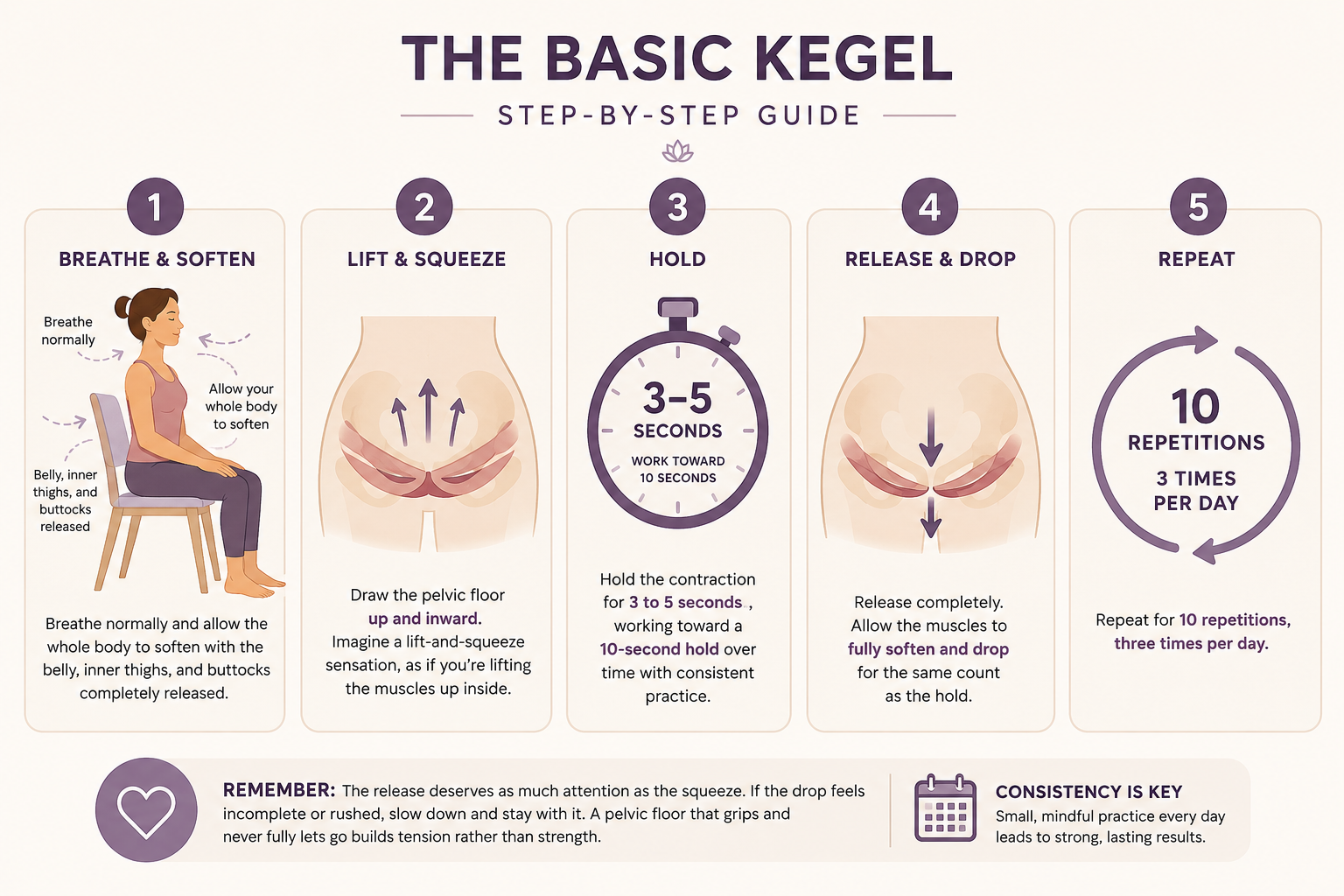
The basic kegel is the foundation of all pelvic floor work, and the exercise most directly linked to better bladder control, reduced urinary incontinence, and improved support of the pelvic organs. It trains the slow-twitch pelvic muscles, which are the ones most affected by childbirth, ageing, and vaginal looseness. Doing kegels correctly from the start determines everything about the results you'll see over the coming months, so take the time to get this one right before progressing. Begin lying down or sitting in a supported chair, with knees slightly bent and hips relaxed as this starting position makes it easier to isolate the pelvic floor without recruiting the thighs or buttocks.
-
Breathe normally and allow the whole body to soften with the belly, inner thighs, and buttocks completely released.
-
Draw the pelvic floor up and inward, the lift-and-squeeze sensation from the muscle-finding section above.
-
Hold the contraction for three to five seconds, working toward a ten-second hold over a few months of consistent practice.
-
Release completely, allowing the muscles to fully soften and drop for the same count as the hold.
-
Repeat for ten repetitions, three times per day.
The release deserves as much attention as the squeeze. If the drop feels incomplete or rushed, slow down and stay with it, as a pelvic floor that grips and never fully lets go builds tension rather than strength, and tension is the opposite of what these vaginal tightening exercises are designed to create.
Exercise 2: Quick Flicks
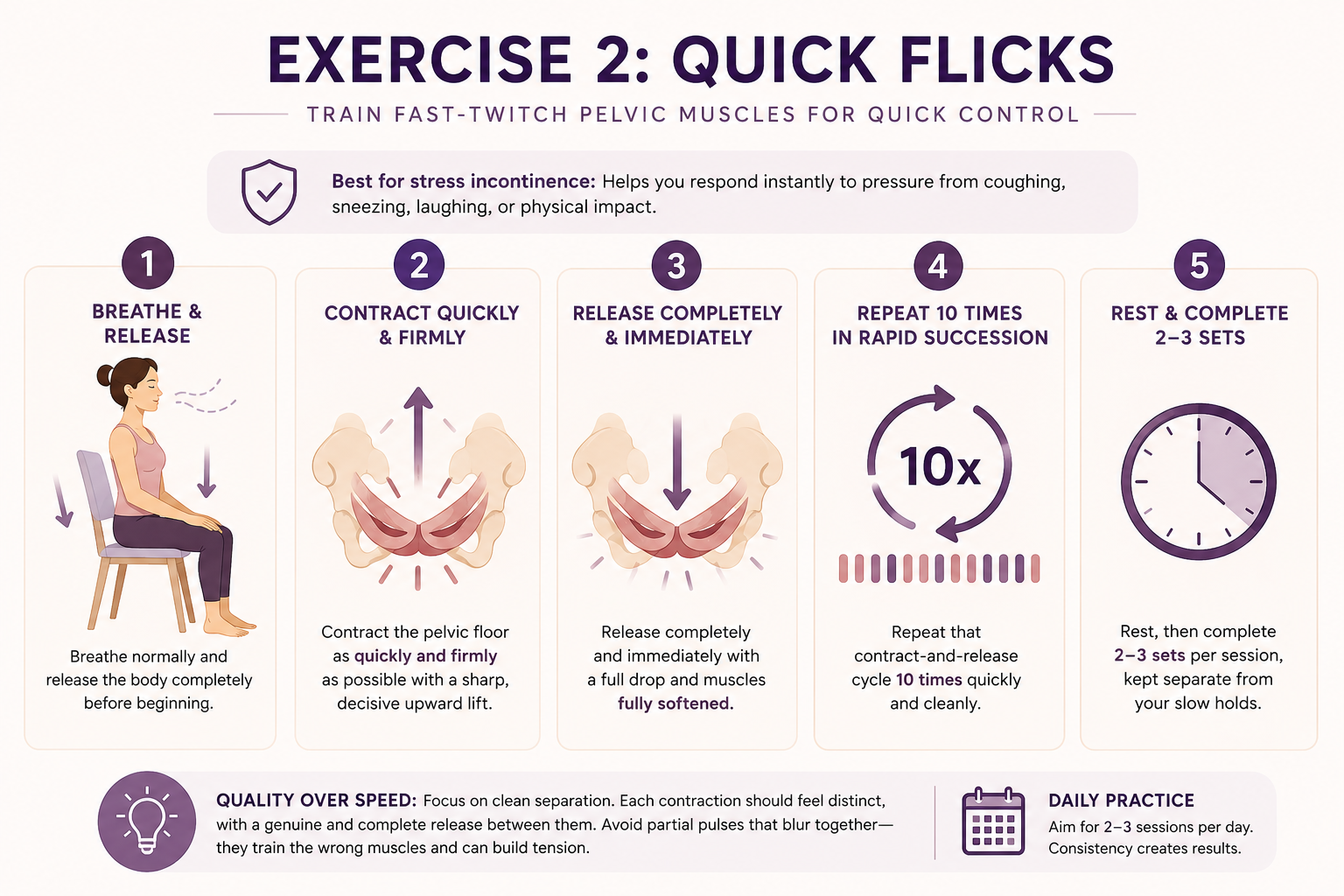
Where the basic kegel builds endurance, quick flicks train the fast-twitch pelvic muscles, which are the fibres that fire in a split second when you cough, sneeze, laugh, or land after a jump. This is the exercise most directly relevant to stress incontinence, the kind of leaking triggered by sudden physical load rather than urgency. Many women find this the most immediately impactful of the four exercises because the results of better control under pressure show up relatively quickly with consistent practice. The starting position is the same as Exercise 1: lying down or sitting with knees slightly bent and hips soft.
-
Breathe normally and release the body completely before beginning.
-
Contract the pelvic floor as quickly and firmly as possible with a sharp, decisive upward lift.
-
Release completely and immediately with a full drop and muscles fully softened.
-
Repeat that contract-and-release cycle ten times in rapid succession.
-
Rest, then complete two to three sets per session, kept separate from your slow holds.
The quality to pursue here is clean separation between each repetition. Each contraction should feel distinct, with a genuine and complete release between them. A series of partial pulses that blur together trains the wrong muscular quality and accumulates tension over time, so the drop matters as much as the lift.
Exercise 3: The Elevator
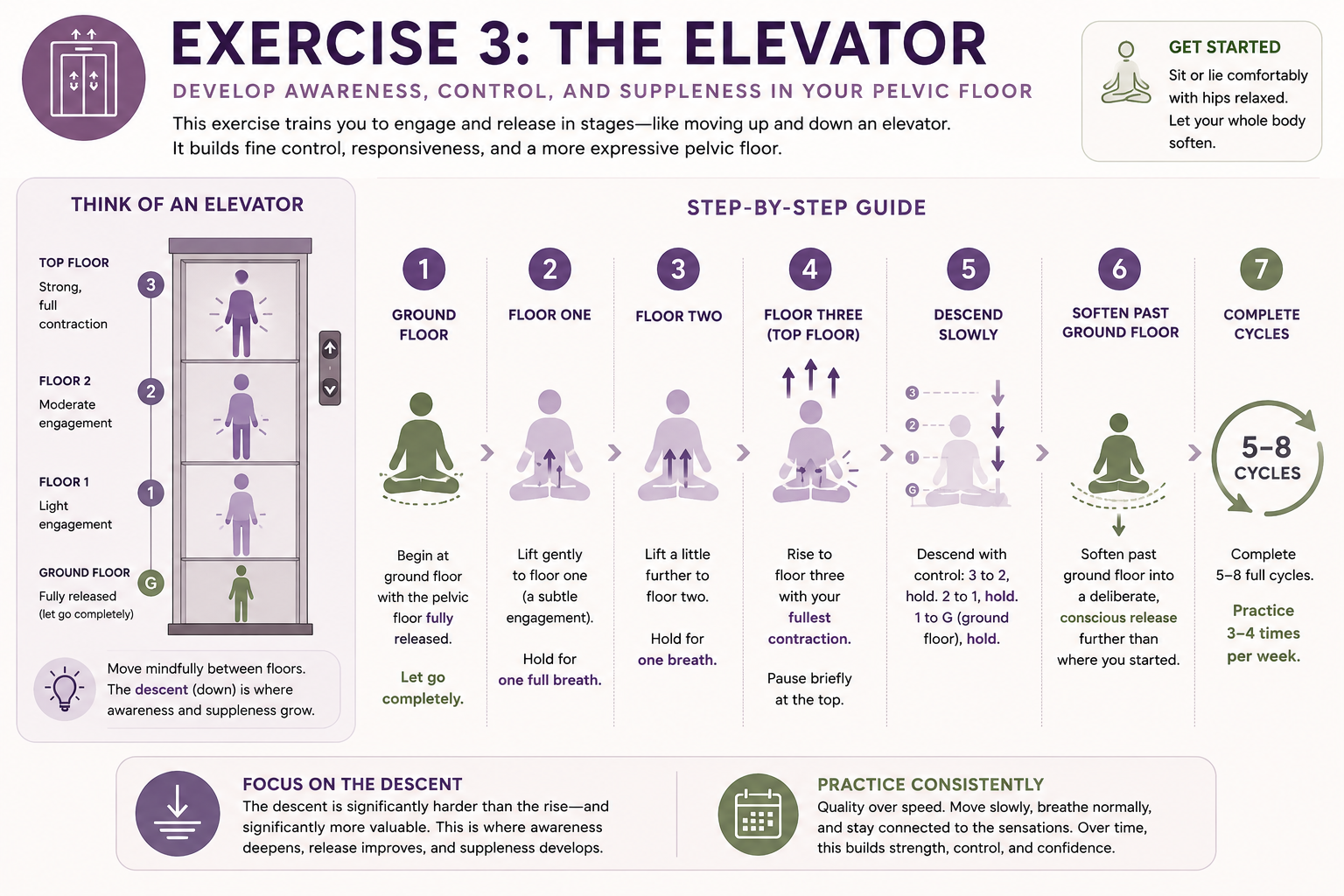
The elevator exercise develops graded awareness and fine motor control of the pelvic muscles. Rather than contracting all at once in an all-or-nothing pattern, you learn to engage in distinct stages, which builds the kind of internal articulation that makes the vagina more expressive, more responsive, and more genuinely alive. This is particularly valuable for women who still struggle to feel the muscles clearly, and for anyone whose pelvic floor practice has so far felt mechanical or disconnected. No specific starting position is required beyond sitting or lying comfortably with hips relaxed and the body soft.
-
Begin at ground floor with the pelvic floor fully released, a conscious and complete letting-go.
-
Lift gently to floor one, a subtle engagement, and hold for one full breath.
-
Lift a little further to floor two, hold for a breath.
-
Rise to floor three with your fullest contraction and pause briefly at the top.
-
Descend slowly: floor three to two, hold. Two to one, hold. Back to ground floor.
-
Soften past ground floor into a deliberate, conscious release further than where you started.
-
Complete five to eight full cycles, three to four times per week.
The descent is significantly harder than the rise and significantly more valuable. This is where awareness deepens, where the muscles learn to release with the same intentionality as they engage, and where suppleness actually develops.
Read: Top Stretching Exercises for Pelvic Muscles You Can Do at Home
Exercise 4: Bridge with Pelvic Floor Lift
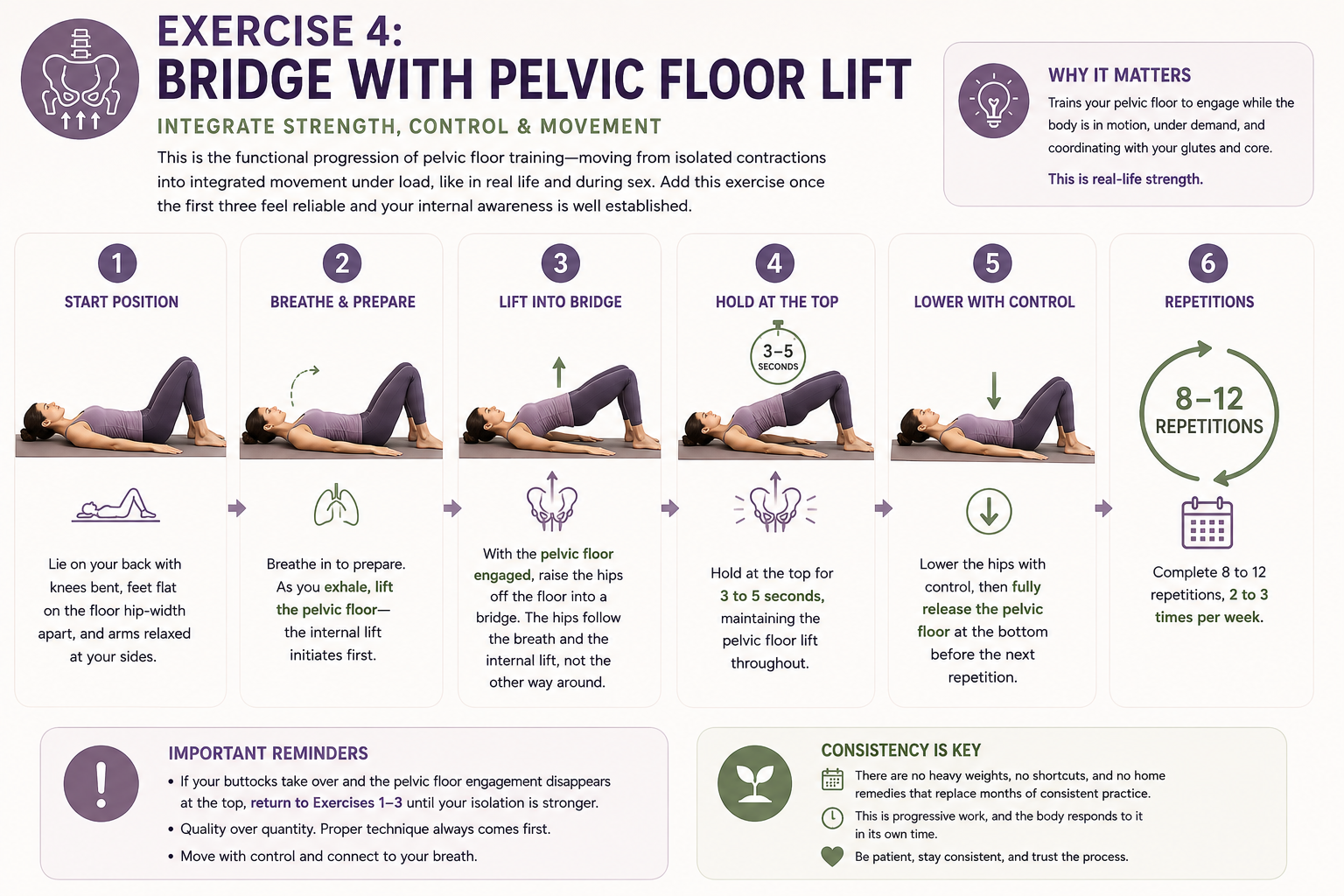
The bridge is the functional progression of this entire practice and where the point where pelvic floor training moves from isolated contractions into integrated movement under load. This is closer to what these muscles actually do in real life and during sex, which is engage while the body is in motion, under demand, coordinating with the glutes and core simultaneously. Add this exercise once the first three feel reliable and the internal awareness is well established. Unlike the earlier exercises, this one requires the whole body, so proper technique matters not just for the pelvic floor but for the movement itself.
-
Lie on your back with knees bent, feet flat on the floor hip-width apart, and arms relaxed at your sides.
-
Breathe in to prepare. As you exhale, lift the pelvic floor, as the internal lift initiates first.
-
With the pelvic floor engaged, raise the hips off the floor into a bridge position. The hips follow the breath and the internal lift, not the other way around.
-
Hold at the top for three to five seconds, maintaining the pelvic floor lift throughout.
-
Lower the hips with control, then fully release the pelvic floor at the bottom before the next repetition.
-
Complete eight to twelve repetitions, two to three times per week.
If the buttocks take over completely and the pelvic floor engagement disappears at the top of the movement, return to exercises one through three until the isolation is more established. There are no heavy weights, no shortcuts, and no home remedies that replace months of consistent, correctly performed repetitions. This is progressive work, and the body responds to it in its own time.
Tools That Deepen the Practice
Once the four exercises above feel manageable and the muscle awareness is clear, adding resistance and feedback through physical tools can accelerate and deepen the work. The logic is the same as progressing any strength training. Once bodyweight movements are well-established, adding load produces further adaptation.
Vaginal Cones & Vaginal Weights
These are smooth internal devices worn while going about normal activity. The pelvic floor must engage to hold them in place, providing low-level resistance over time. Most come in graduated weights, allowing for progressive overload as strength builds. They're a well-supported conservative management tool for vaginal laxity and weak pelvic floor muscles.
Biofeedback Pelvic Devices
These give real-time information about whether contraction and release are happening correctly. For women who still feel uncertain about their form, these close the feedback loop in a way that written instruction alone cannot achieve. They can also be used alongside electrical stimulation programmes for women with significantly weak pelvic floor muscles who need additional support to feel the muscles activate at all.
Yoni eggs

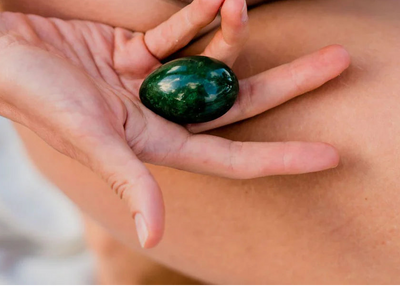
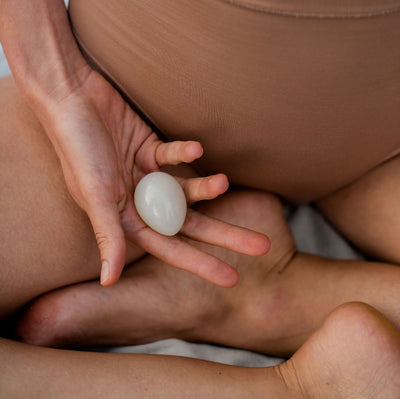
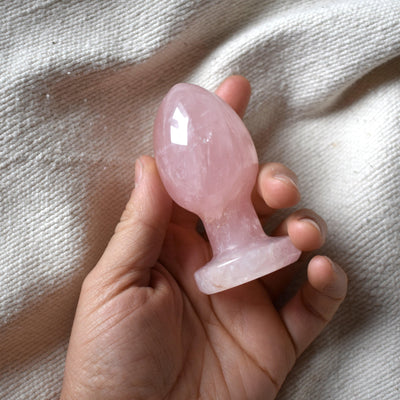
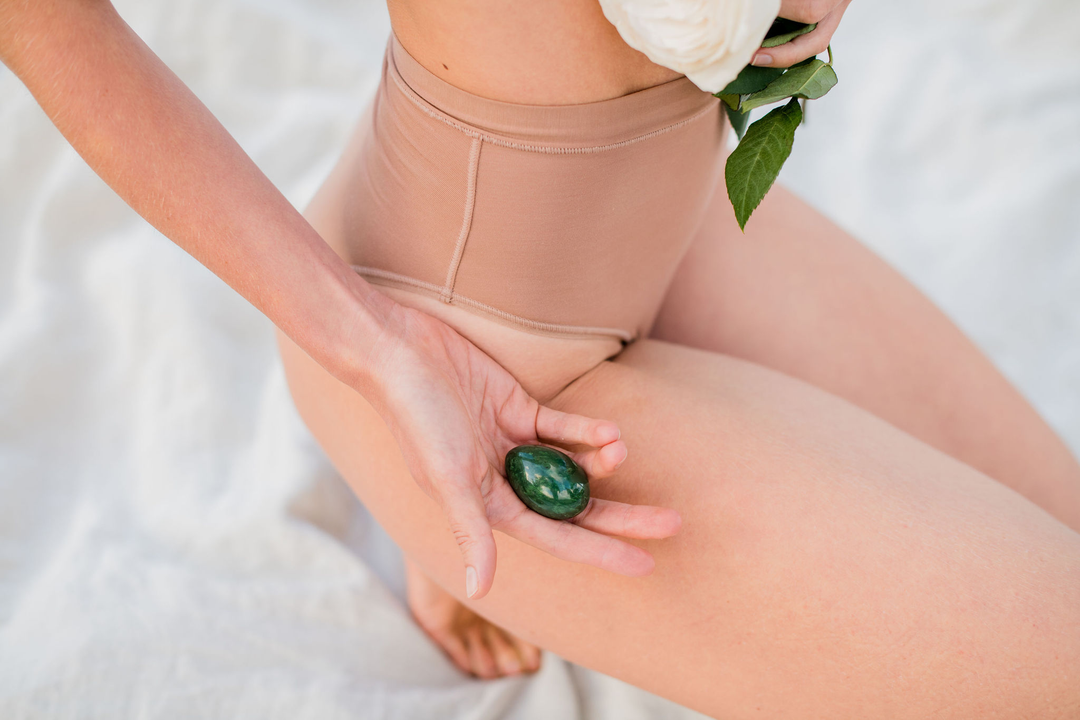
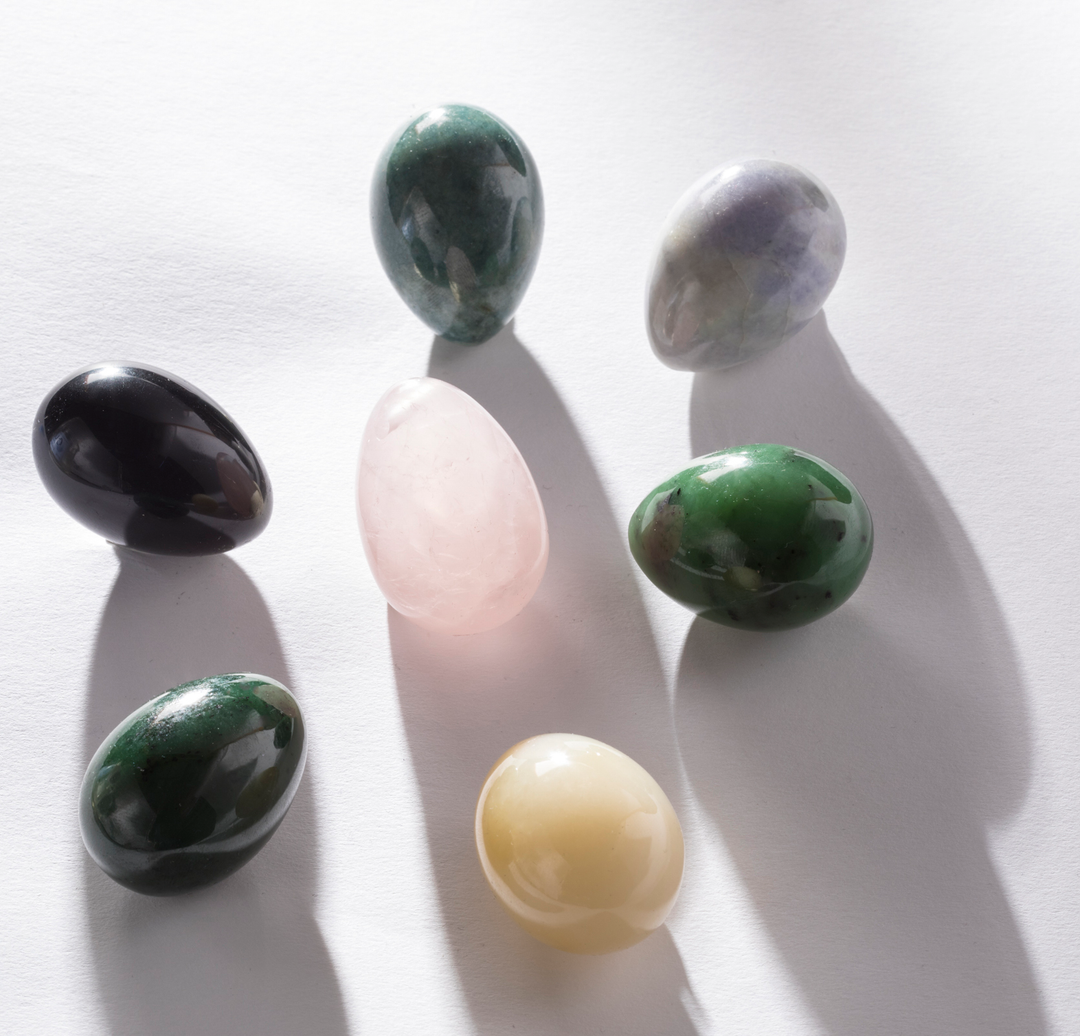
A yoni egg is a smooth, polished egg-shaped object worn internally to give the pelvic floor something to gently orient toward. The primary value is awareness, and many women report that using a yoni egg is the first time they genuinely feel their vaginal muscles as something present. The light resistance it provides gives the pelvic floor a point of reference during contractions. Equally important is what the yoni egg cultivates at a slower, more interior level, which is attention, connection, and a developing relationship with this part of the body.
Read: What Size Yoni Egg is Your Best Fit? A Complete Guide
The Real Benefits Beyond "Tightening"
-
Bladder and bowel control: A well-trained pelvic floor provides genuine structural support for the bladder and bowel, reducing urinary incontinence and bowel control difficulties. This is among the most evidence-supported benefits of pelvic floor exercises, cited by the Cleveland Clinic, the Urology Care Foundation, and the National Institute of Diabetes and Digestive and Kidney Diseases (as referenced in Campbell-Walsh-Wein Urology) as foundational to urinary health.
-
Prolapse support: Pelvic floor muscles hold the pelvic organs in place. Consistent pelvic floor muscle training is one of the primary conservative management approaches for pelvic organ prolapse, building the structural integrity that keeps everything supported.
-
Sexual function and pleasure: Better muscle tone, articulation, and awareness around the vaginal canal translate directly into heightened sensation, stronger orgasms, and increased sexual pleasure for you and for a partner. A vagina that is strong, responsive, and awake is a fundamentally more pleasurable vagina.
-
Recovery after giving birth: Childbirth places significant demand on pelvic floor muscles and vaginal tissue. Targeted pelvic floor muscle training in the postpartum period helps rebuild coordination, strength, and sensation that birth disrupts.
-
Support for postmenopausal women: Hormonal changes at menopause reduce tissue elasticity and can contribute to vaginal atrophy, vaginal dryness, and pelvic floor weakness. Consistent pelvic floor exercises alongside appropriate vaginal health support help strengthen the tissue and maintain pelvic health through this transition.
What We're Really After
When wanting to "tighten our vagina," the intention is to work toward building a vagina that is strong and supple, articulate and receptive, and awake enough to be heard, relaxed enough to open fully, and trained enough to offer genuine support to the bladder, the uterus, and the whole pelvic region.
That means finding the right muscles and learning to use them with intention and full release. It also means progressive exercises built on correct technique and genuine body awareness. It means adding tools like yoni eggs and vaginal weights once the foundation is in place, and giving the whole practice the months it takes to produce real results.
And it means shifting the underlying question, from "how do I make my vagina tighter?" to "how do I help my vagina become stronger, more alive, and more deeply connected to the rest of me?"



Leave a comment