






Yoga for the Pelvic Floor: How to Get Started Safely
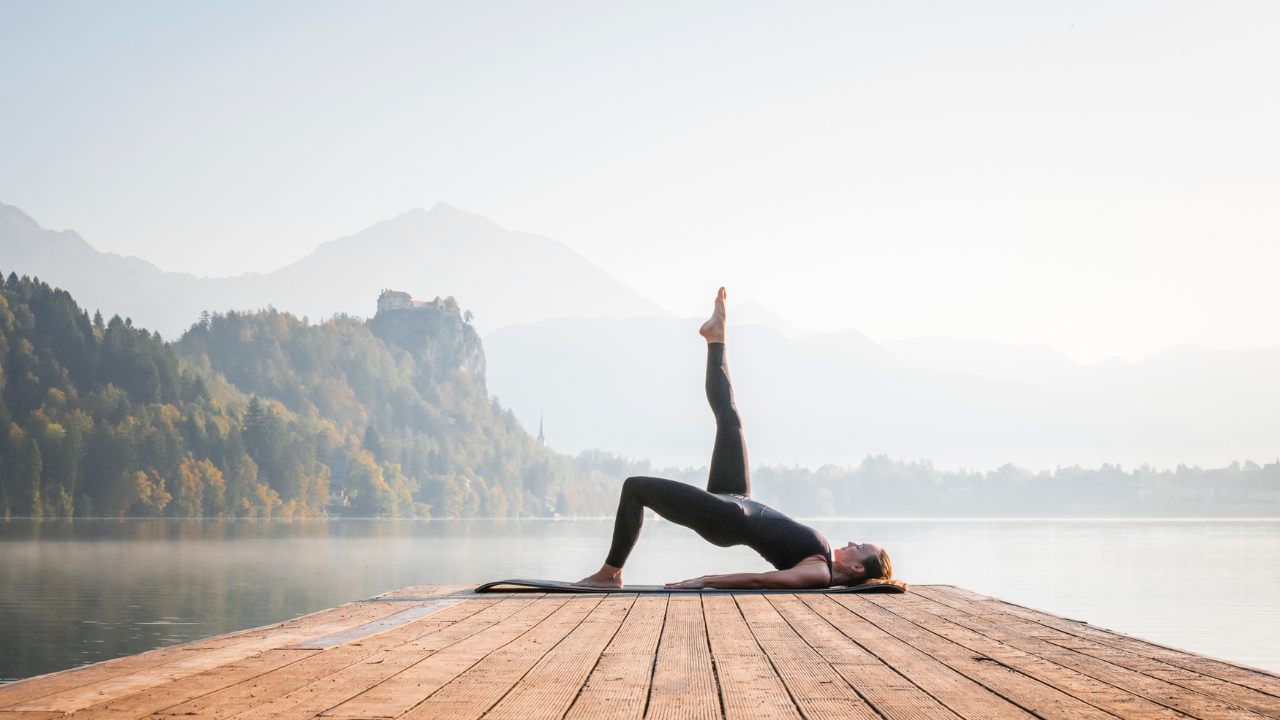
Of all the ways to work with the pelvic floor, yoga offers a kind of precision that most methods miss. The pelvic floor forms the physical base of your posture. These muscles stabilize the spine, support the bladder and reproductive organs and respond to every breath you take. When they lose coordination, the body compensates elsewhere.
Pelvic floor yoga helps reverse this by retraining how the body interacts with gravity. Through aligned standing and mindful transitions between poses, the deep core learns to distribute pressure evenly instead of collapsing downward. This natural re-education of movement brings tone back to the pelvic floor.
The more efficiently your diaphragm and pelvic floor work together, the more control you gain. In this article, we cover how yoga can aid pelvic floor health, and what are the best poses.
What is the Pelvic Floor?
Think of the pelvic floor as a bowl of muscle and fascia suspended inside your pelvis. It anchors to the pubic bone at the front, the tailbone at the back, and both sit bones on the sides creating a kind of living bowl that holds the organs of the lower body.
These muscles are in constant dialogue with your diaphragm. When you inhale, the diaphragm descends, and the pelvic floor follows, stretching slightly to absorb pressure. When you exhale, both lift.
The pelvic floor also wraps around the vaginal canal, the clitoris, and the urethra, creating subtle contractions that heighten arousal and orgasm. Overactivity here can numb sensation. Many people think a “strong” pelvic floor means constant engagement, but real strength depends on responsiveness and the ability to contract and release with ease.
We often hear about “weak” or “tight” pelvic floors, but most people fall somewhere in between. A weak floor struggles to support pressure from above. A tight floor grips defensively, cutting off blood flow and creating pain. Then there’s poor coordination, where the muscles simply don’t fire in time.
Underneath all this is connective tissue, the web that ties the pelvic muscles to your hips, spine, and even your feet. Fascia transmits tension and force throughout the body jaw tension or shallow breathing often trace back to the same fascial lines that run through the pelvic floor. This is why awareness practices, especially yoga, are so effective and teach you to sense these relationships from the inside.
Can Yoga Help Strengthen Pelvic Floor Muscles?
The pelvic floor is part of a pressure system that involves your diaphragm, abdominal wall, and deep spinal muscles. When you breathe, stand, or move, these layers constantly adjust to manage intra-abdominal pressure. If any layer is out of sync, for instance, if you habitually suck in your stomach or hold your breath, the pelvic floor ends up doing extra work. Yoga restores that coordination.
Yoga also trains pressure management through breath. Inhalation widens the ribcage and pushes the diaphragm downward, allowing the pelvic floor to yield and stretch. Exhalation reverses the pressure, guiding the pelvic floor upward into gentle lift. When this rhythm is lost the muscles can’t properly contract or relax. Research using ultrasound imaging has shown that the pelvic floor mirrors the diaphragm’s motion almost exactly, a fact that explains why breath-based practices are so powerful for pelvic health.
Beyond structural support, yoga improves blood and lymphatic flow through the pelvic bowl. Increased flow nourishes the nerves and fascia that feed arousal and orgasmic response. Yoga also teaches proprioception, which is the ability to sense subtle movement and tone. This awareness helps you feel when the muscles lift, when they overwork, and when they need rest.
Understanding Pelvic Floor Tightness and Dysfunction
When people talk about pelvic floor health, strength usually dominates the conversation. But a pelvic floor that’s too tight can cause just as much trouble as one that’s weak, sometimes more. These muscles are meant to be responsive, not rigid. When they lose their ability to lengthen and relax, every function they support starts to suffer.
Tightness in the pelvic floor often begins as protection. The body responds to stress or tension by contracting at its base, the same way the shoulders hunch or the jaw locks. Over time, that protective response becomes a habit. Emotional holding patterns, unresolved birth trauma, or even years of “core bracing” during workouts can all create a pelvic floor that’s locked in defense.
Posture plays a major role too. Sitting for long hours, tucking the tailbone, or habitually clenching the glutes all shorten the pelvic tissues and restrict blood flow. During pregnancy and postpartum, the body naturally tightens to stabilize the pelvis, but if that tension isn’t released afterward, it can linger for years.
Releasing this tension requires more than stretching but is more about reprogramming the nervous system. The pelvic floor is richly innervated and deeply connected to the vagus nerve, the main pathway of the body’s relaxation response. Slow, diaphragmatic breathing, humming, and gentle vocalization stimulate the vagus nerve and help the pelvic floor soften from within. In yoga, restorative poses that emphasize exhalation and grounding are especially effective.
Best Exercises For Pelvic Floor Health
Happy Baby (Ananda Balasana)
Lying on your back, draw your knees toward your armpits and hold the outer edges of your feet or behind your thighs. Keep your tailbone heavy and your spine long. As the hips open, the sit bones widen and the deep muscles of the pelvic floor, especially the levator ani group begin to lengthen.
This position helps unwind the unconscious clenching that often develops from stress or pelvic guarding. The gentle traction through the hips also decompresses the sacrum and encourages the nervous system to release its protective hold. Staying here for several slow breaths invites the pelvic diaphragm to move freely with the breath again, restoring its natural elasticity.
Half Happy Baby
Keeping one foot grounded while drawing the opposite knee toward the same-side shoulder offers a more accessible entry into the same release. The grounded foot anchors the pelvis, helping prevent overstretching or misalignment.
This pose is particularly beneficial when one side of the pelvic floor holds more tension. By isolating one leg at a time, you can sense asymmetry in how each side yields or resists, which brings valuable feedback for deeper integration.
Reclined Big Toe Pose (Supta Padangusthasana)
Using a strap around one foot, extend the leg upward while keeping the opposite leg bent or straight on the floor. As the hamstrings lengthen, the fascial web that connects the back of the legs to the pelvic floor releases. This relationship is key as tight hamstrings can literally pull on the sitting bones, limiting pelvic mobility and circulation. The lifted leg also draws awareness into the core line of the body, helping reestablish how the pelvic floor supports spinal alignment. Each exhale can be used to feel the perineum gently soften and expand.
Pelvic Tilts
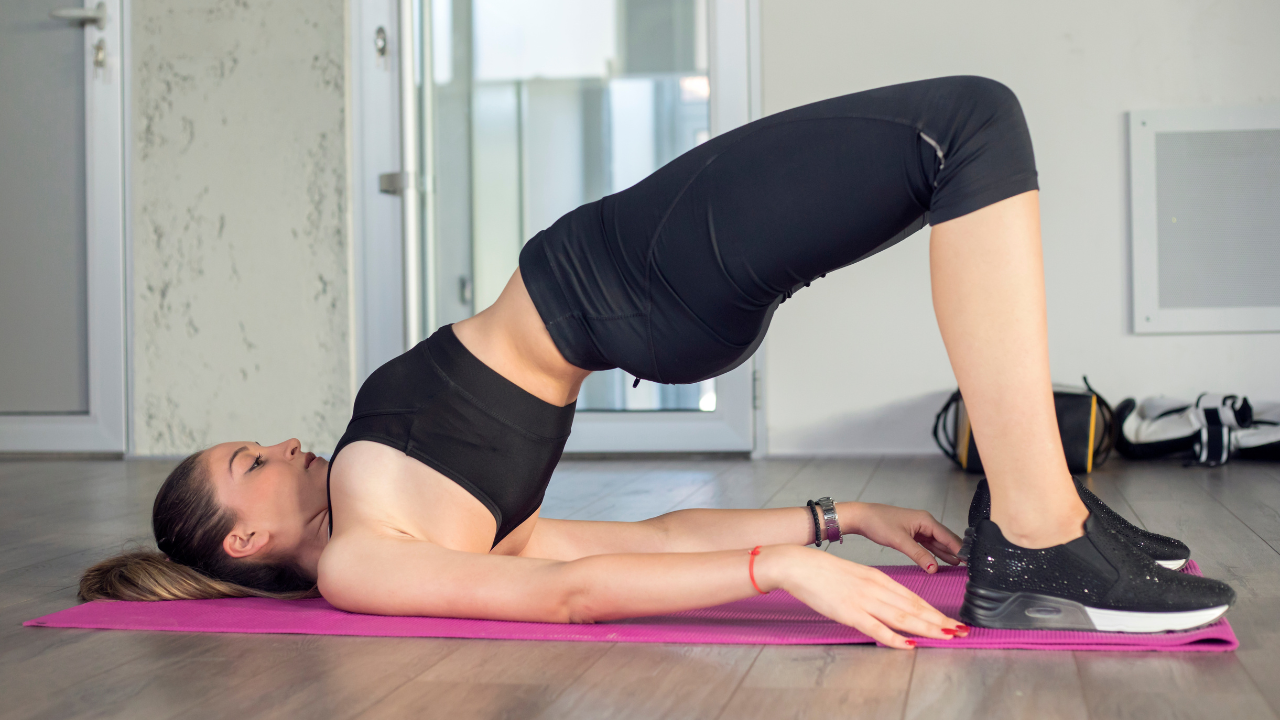
Lying on your back with knees bent, rock the pelvis slowly between a small arch and a gentle flattening of the lower back. The movement seems simple, but it reawakens the coordination between the diaphragm and the pelvic floor. When the pelvis tips forward, the pelvic floor lengthens; when it tips back, it lifts and gathers.
Over time, this teaches the body to manage intra-abdominal pressure with ease, preventing bearing down that can contribute to prolapse or leakage. Ten slow cycles of breath are more effective than any forced exercise because they restore timing and responsiveness, not just strength.
Bird Dog
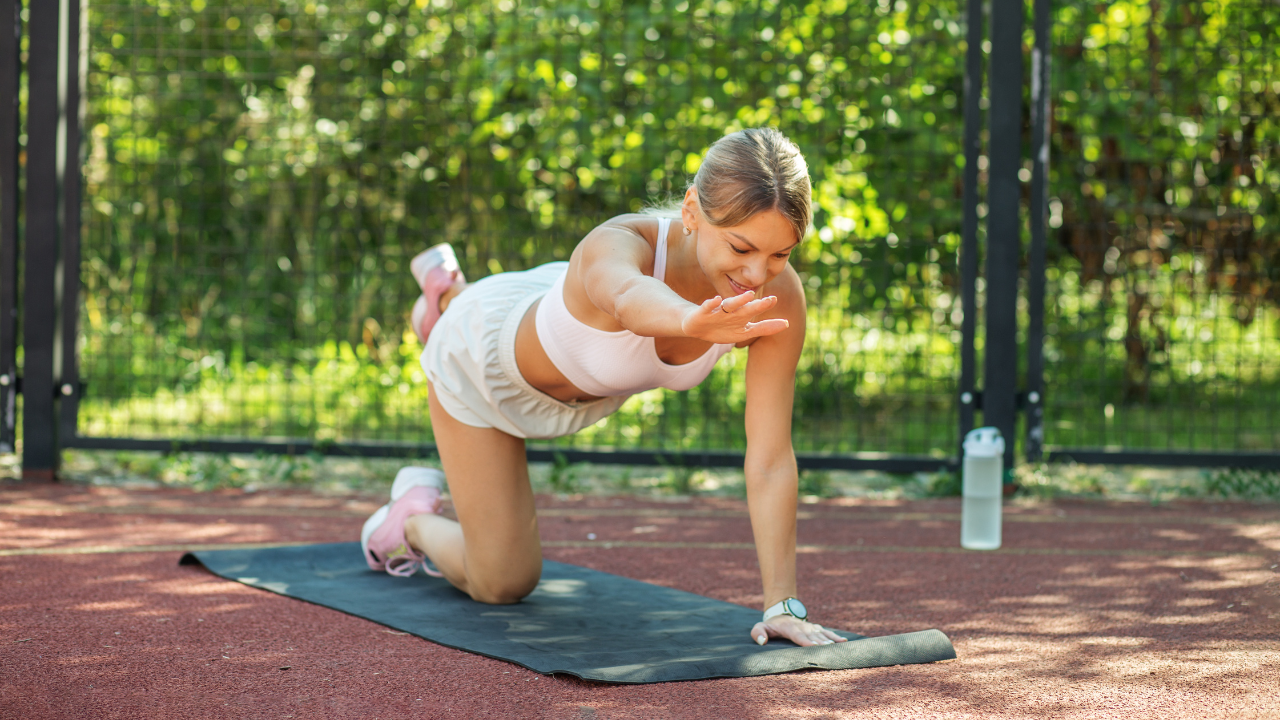
From hands and knees, extend one leg and the opposite arm, keeping the belly engaged but soft. This movement links the deep core, including the multifidus and transverse abdominis with the pelvic floor, training them to co-activate as one support system. When practiced consistently, it enhances postural integrity and relieves the downward strain that often weakens the pelvic sling.
Mountain Pose (Tadasana)
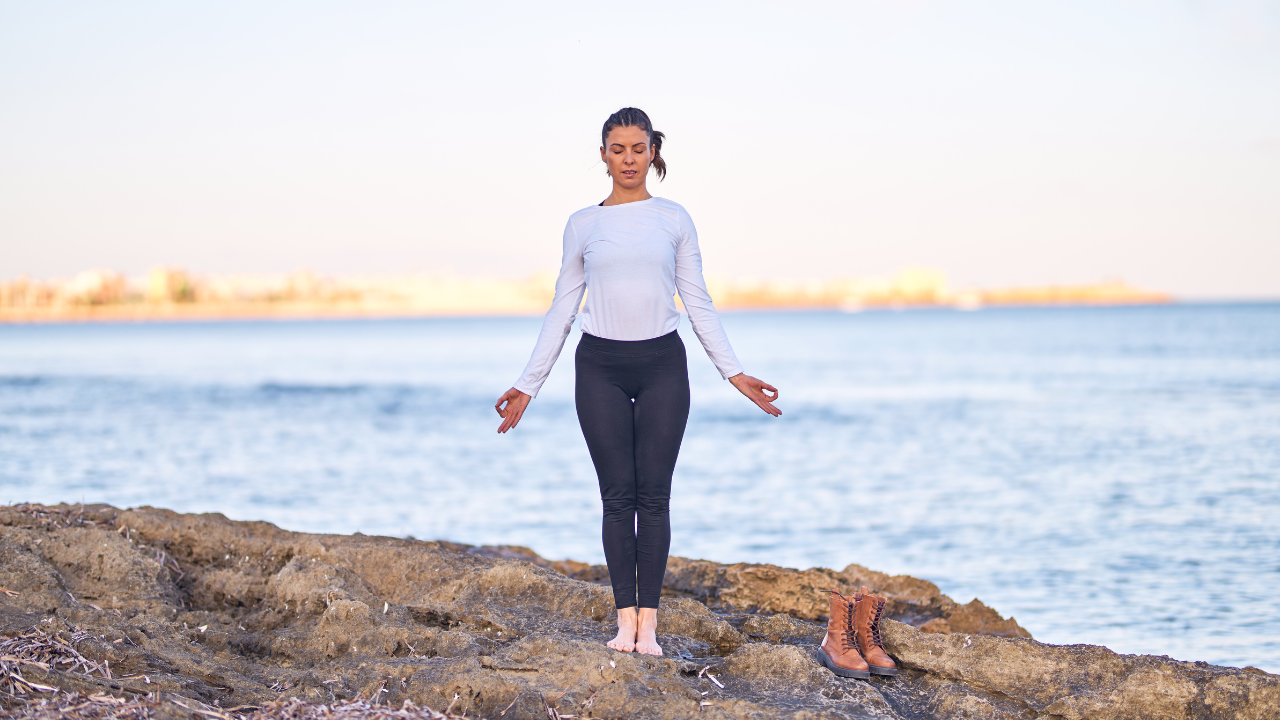
Standing with feet together, distribute weight evenly through all four corners of each foot and let the spine rise naturally. Subtle internal awareness reveals how the pelvic floor responds to balance. When the pelvis is stacked neutrally under the diaphragm, these muscles can tone reflexively with breath rather than force. Over time, this alignment retrains your nervous system to let posture create support.
Cat–Cow (Marjaryasana–Bitilasana)
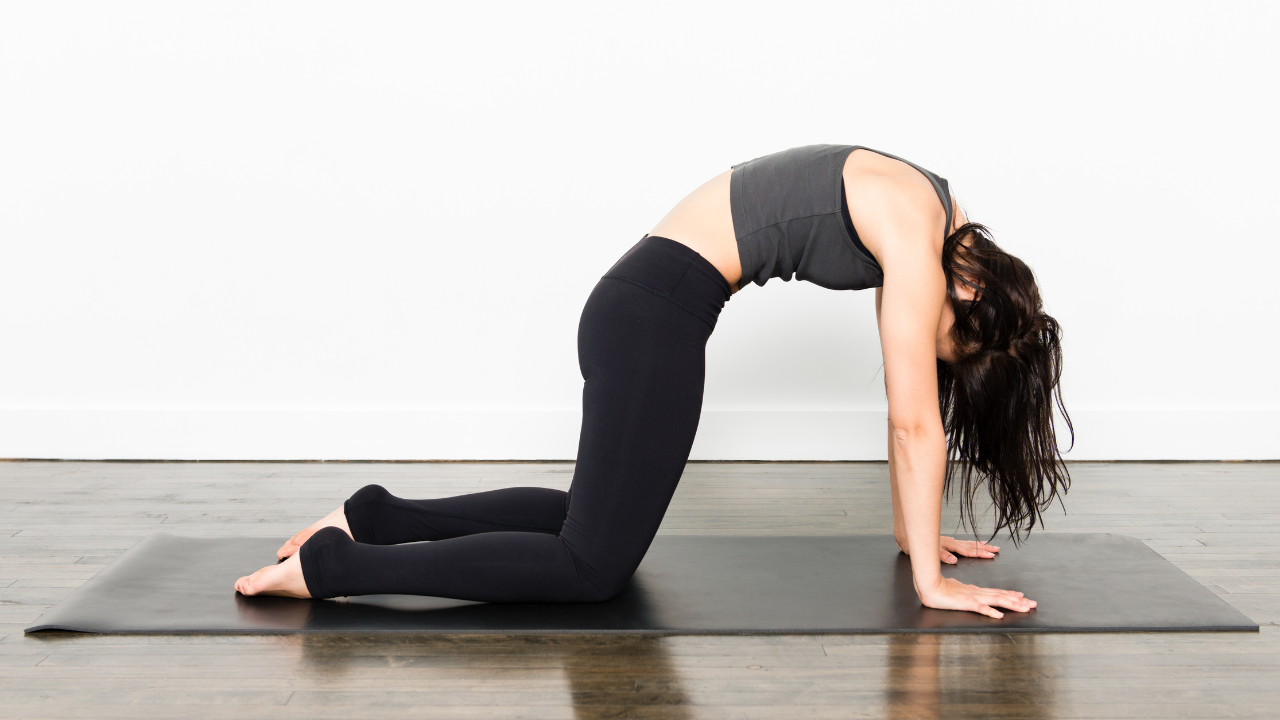
Moving between a rounded spine and an arched one creates mobility through the sacrum, where many pelvic muscles attach. As you inhale and arch, the pelvic floor gently expands; as you exhale and round, it gathers upward. This rhythmic motion encourages circulation through the pelvic bowl, lubricating the fascia and relieving stiffness caused by sitting or bracing.
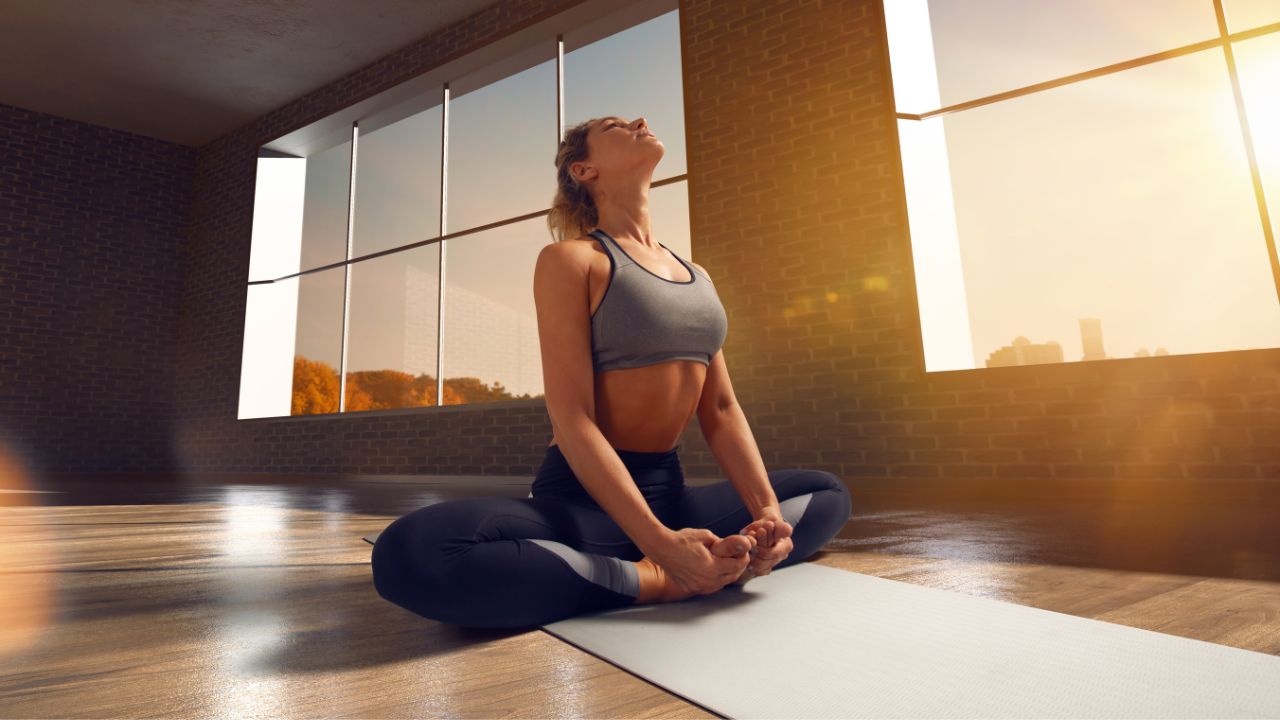
Reclined Butterfly (Supta Baddha Konasana)
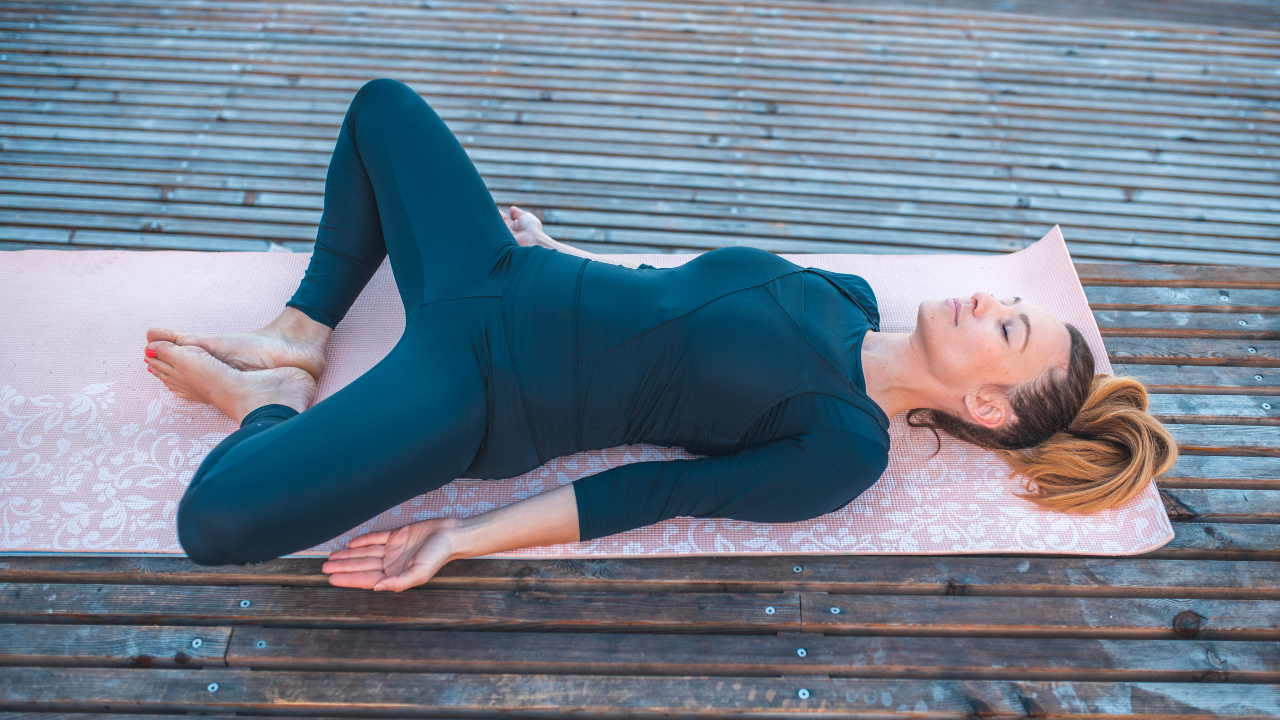
Lying back with the soles of the feet together and knees open, support the outer thighs with blocks or cushions so the body feels completely at ease. This position widens the pelvic outlet and promotes blood flow through the vaginal and perineal tissues. Because it’s fully supported, the nervous system interprets it as safe, allowing guarded pelvic muscles to let go. Regular practice can reduce pain from overactive muscles and help restore sensation by improving vascular and lymphatic flow in the pelvis.
Bridge Pose (Setu Bandha Sarvangasana)
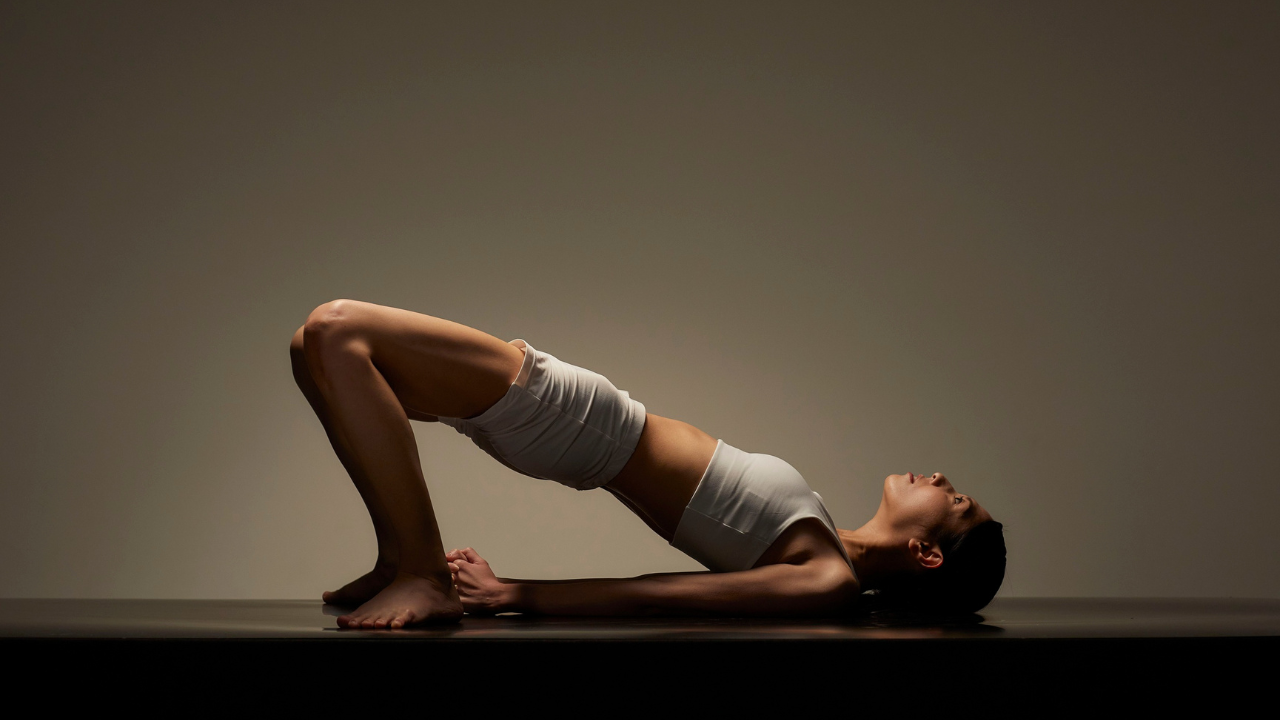
With feet flat and knees bent, lift the hips until you feel the thighs and glutes engage. The pelvic floor naturally contracts in response to the rising pressure, strengthening the support under the bladder and uterus. As you lower down slowly, the same muscles lengthen again, training both phases of movement of contraction and release.
Legs on a Chair
Resting on your back with calves supported on a chair brings the pelvis and spine into neutral alignment while the pelvic organs settle back into place. The gentle inversion reduces venous pooling and pressure in the lower abdomen. For those with prolapse, pelvic congestion, or postpartum heaviness, this shape offers immediate relief without strain. Breathing softly here helps the pelvic floor recalibrate its resting tone.
Downward-Facing Dog (Adho Mukha Svanasana)
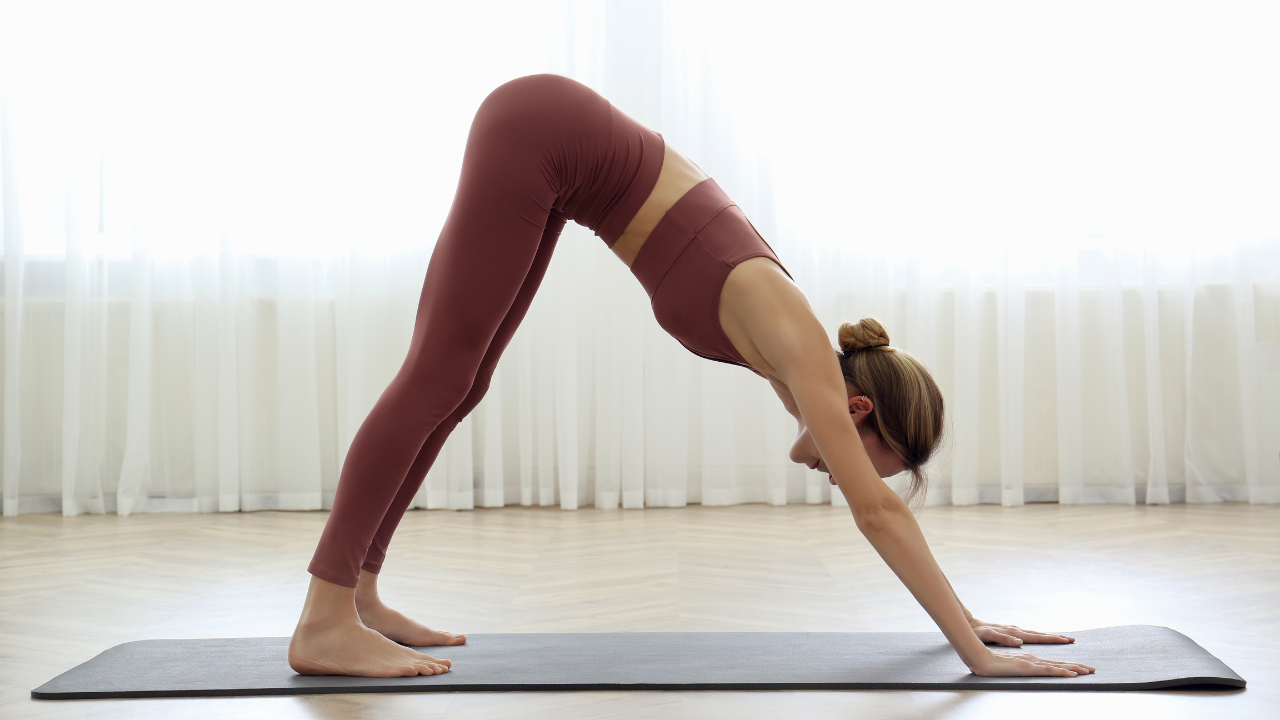
From hands and knees, lift the hips and straighten the legs into an inverted V. The lengthening through the spine and hamstrings draws the sit bones apart, stretching the posterior pelvic floor while engaging its deeper fibers for stability. Because the pelvis is elevated, blood flow shifts toward the abdominal and pelvic organs, supporting detoxification and tissue repair.
Deep Squat (Malasana)
With feet wider than hips and toes slightly turned out, lower the hips toward the heels while keeping the chest lifted. This natural position, once part of daily life, lengthens the pelvic floor eccentrically, meaning it strengthens as it stretches. It also decompresses the sacrum and enhances mobility in the hips and pelvic joints. For many women, this pose helps restore the open, grounded feeling lost through years of chair-sitting and tension holding.
Legs Up the Wall (Viparita Karani)
Lying with your legs extended vertically against a wall, the pelvis slightly elevated by a folded blanket, reverses gravitational pressure on the pelvic organs. This passive inversion encourages venous return and lymphatic drainage, reducing swelling and heaviness in the pelvic bowl. It’s especially helpful at the end of the day or during menstruation when pelvic circulation slows. The quiet stillness of the pose also activates the vagus nerve, calming the entire pelvic nervous system.
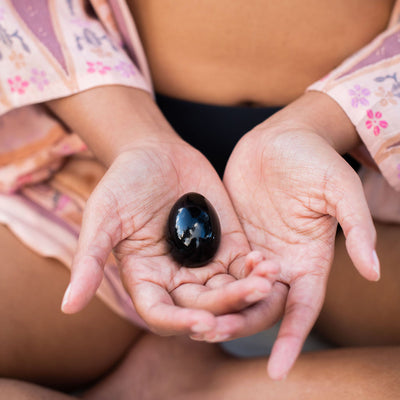
Yoni Egg Use and Wand Work Alongside Yoga
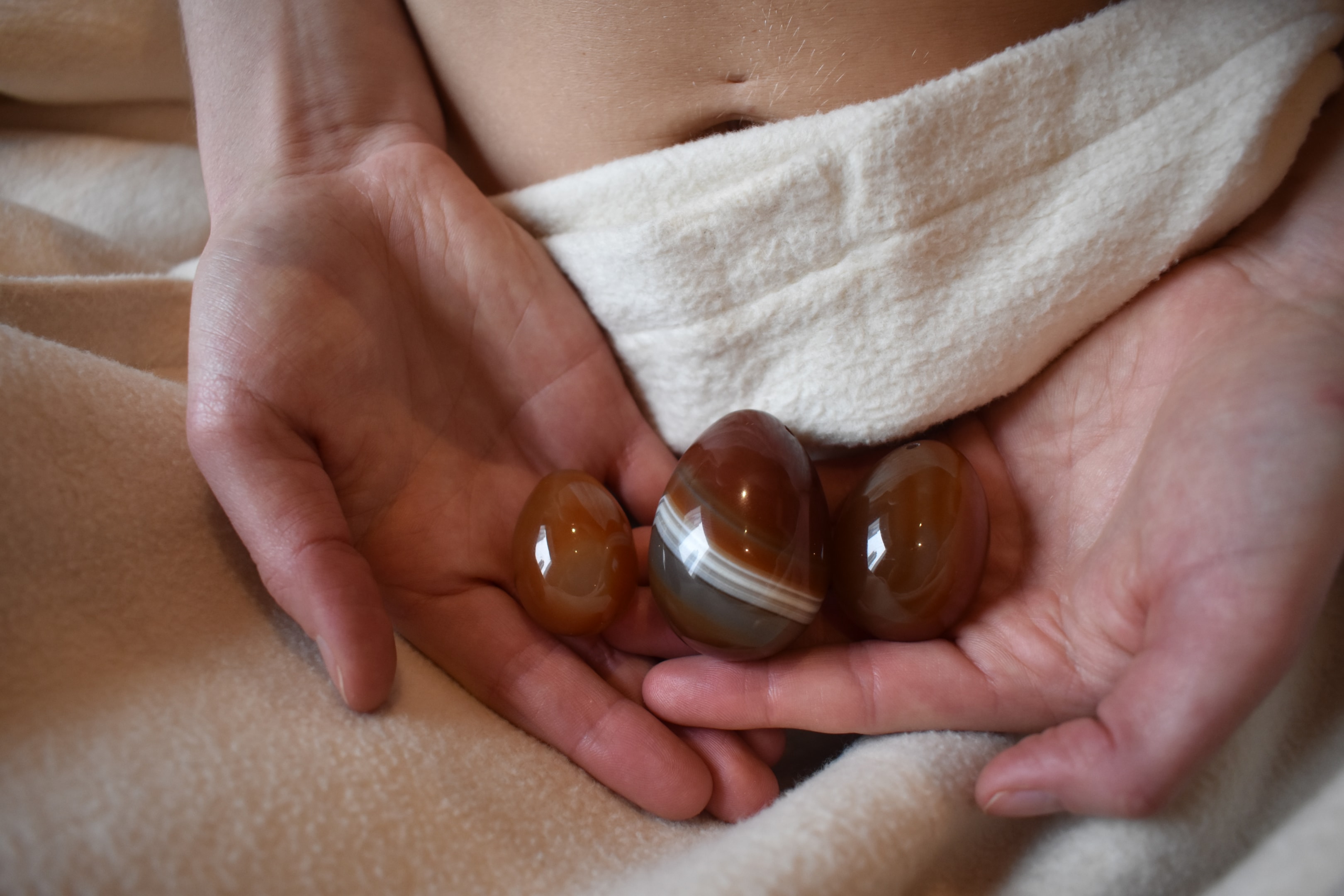
Many of the practices now associated with yoni eggs and crystal wands emerged from an ancient understanding that the pelvic bowl does not respond well to force, but to feeling.
Contrary to what modern fitness culture teaches, the feminine core is not strengthened through tightening or control alone. The pelvic floor responds to presence, sensation, and loving awareness.
Modern pelvic health research now confirms what the ancients intuitively knew, that when the nervous system is met with clear, gentle feedback from the internal muscles of the pelvic floor, coordination improves, circulation flows, and tension unwinds.
What we are truly cultivating through the use of a yoni egg or a crystal wand is proprioception, the innate ability to sense where and how the pelvic floor is moving. Because these muscles are mostly hidden and rarely spoken of, many women lose connection with them altogether. The muscles either go dormant from disuse or grip tightly from trauma and unconscious holding.
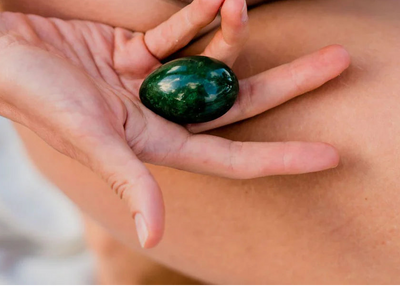
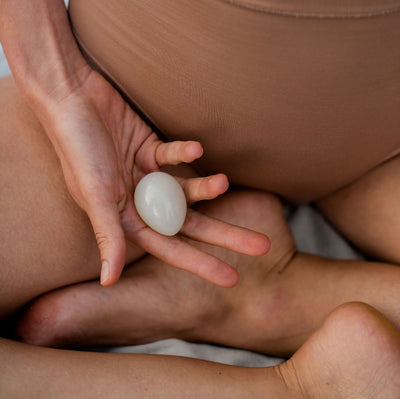
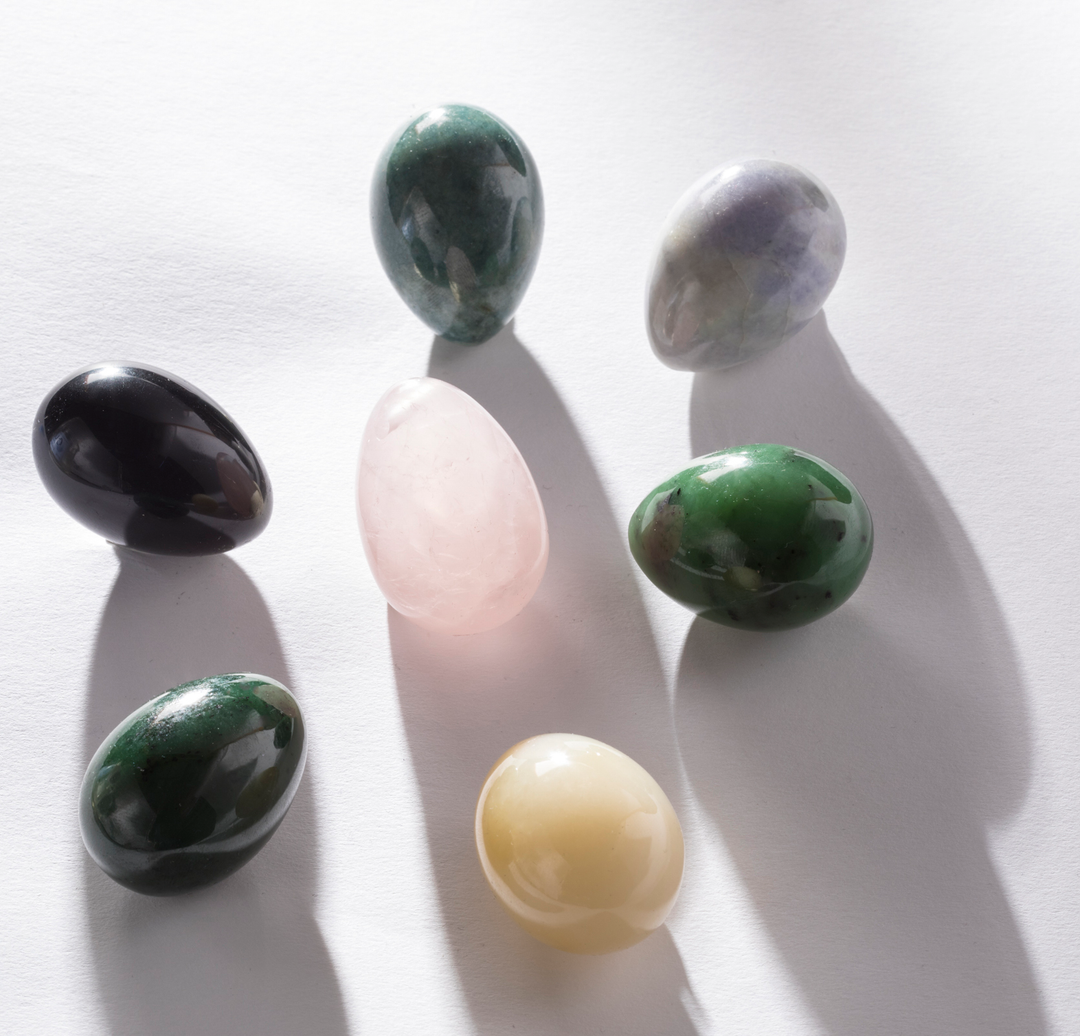
A yoni egg offers the kind of subtle, continuous feedback that invites awareness back into the tissues. As the body moves, breathes, and softens around it, the woman begins to sense the delicate interplay of lift and release, engagement and surrender.
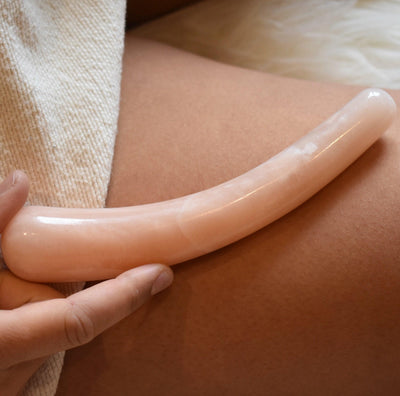
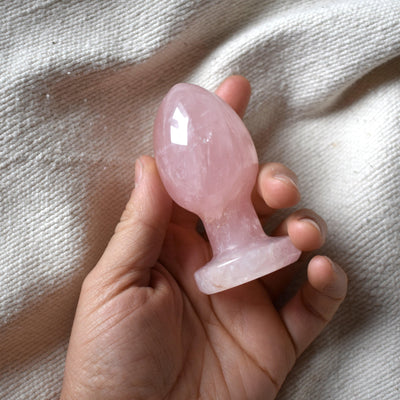
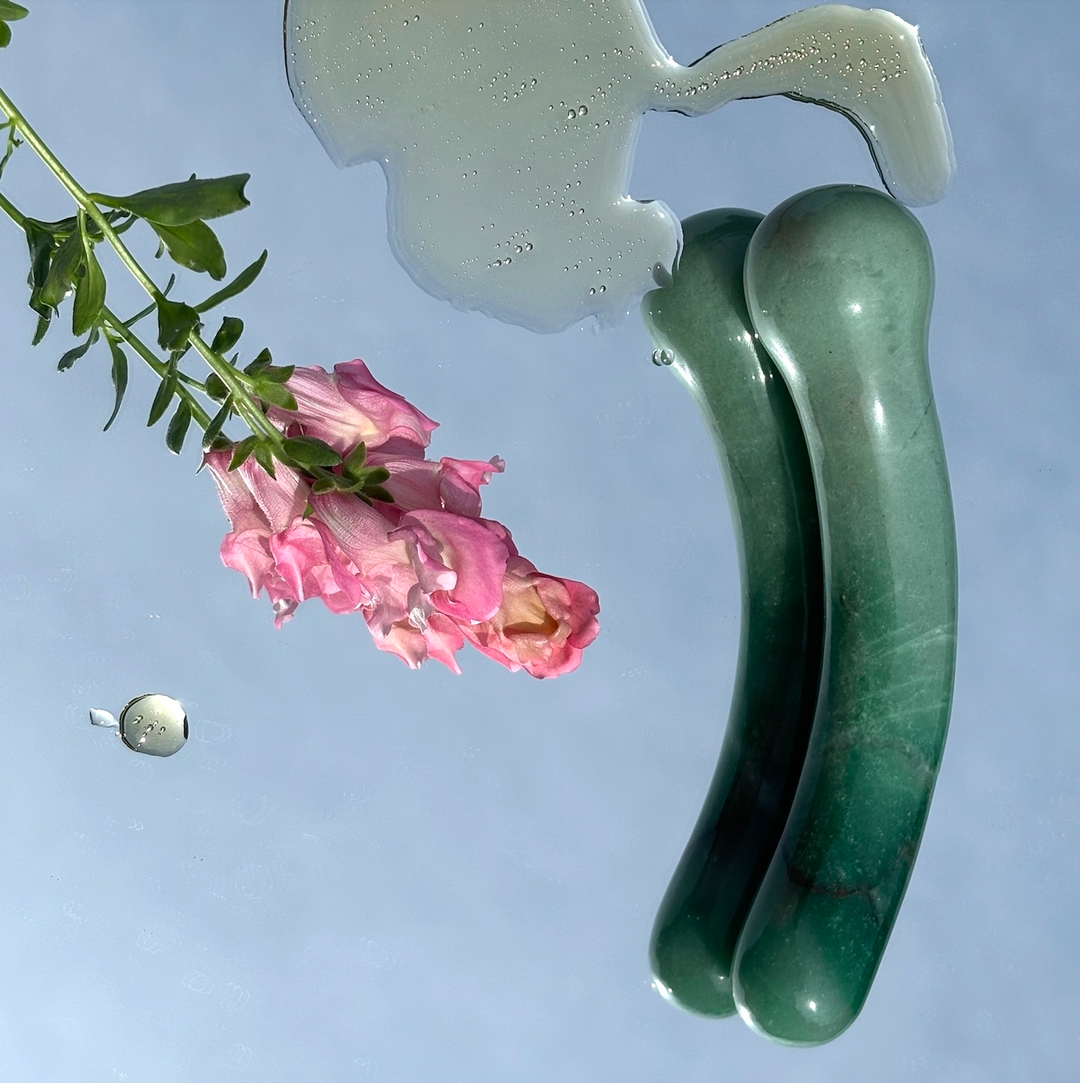
A crystal wand, on the other hand, allows a woman to explore the inner contours of her pelvic temple. The wand can reach places the mind has forgotten but the body remembers, like pockets of tension, grief, numbness, or longing. When used with intention, the wand becomes a tool of dearmoring.
Frequently Asked Questions
The most healing yoga for the pelvic floor is not about hardening or gripping, it’s about awakening. A healthy pelvic floor is rhythmic: it lifts, releases, and breathes with you. Poses like Bridge Pose (with feet flat on the floor and knees bent), Bound Angle, and Happy Baby allow the pelvic muscles to expand and contract with the pulse of your breath. As you move, feel the subtle sway of your spine, the opening of your hips, and the soft current that runs from pubic bone to sit bones.
This gentle movement nourishes the pelvic organs encouraging circulation and vitality. A strong pelvic floor is born from presence, not pressure. When you practice yoga with shoulders relaxed, feet hip width apart, and the core muscles softly engaged, your whole body remembers its natural harmony and pelvic floor health begins to thrive.
A weak pelvic floor may whisper through small leaks of urine or gas, or a feeling of heaviness low in the pelvis. Some women notice pelvic organ prolapse, low-back pain, or a dull ache that feels like the body’s quiet cry for support. Because the pelvic floor muscles cradle the uterus, bladder, and rectum, weakness here can ripple through your posture, digestion, and even your sexual function.
The remedy is both physical and energetic. Pelvic floor yoga, along with mindful pelvic floor exercises, teaches the body to lift and release with breath, restoring the tone and flexibility that the connective tissue and core muscles long for. If the symptoms persist, it’s wise to visit a physical therapist or healthcare professional who specializes in pelvic floor disorders for deeper support.
Your pelvic floor responds best to consistency and compassion. A few minutes of pelvic floor yoga each day, or at least several times per week, can transform the way your pelvis feels and functions.
Begin by lying flat, knees bent, feet hip width apart, and place one hand on your belly, one on your heart. Breathe deeply. Notice the gentle rise and fall, the subtle lifting and softening through the floor of your body. From here, explore a few simple yoga poses or pelvic floor exercises, holding for a few seconds while you sense the muscles responding beneath your awareness. Over time, your pelvic pain may ease, your balance will improve, and pelvic floor dysfunction will begin to unravel. Over-tightening or gripping can lead to pelvic floor tightness and chronic holding, so always move with tenderness and trust.
Yes, for pregnant women, this practice is sacred preparation. As the uterus grows and the pelvic organs shift, the pelvic floor becomes both a cradle and a channel. Gentle poses like Supported Bridge Pose (with a yoga block beneath the sacrum), Bound Angle, and modified Happy Baby help maintain mobility while strengthening the muscles that support the pelvis. These exercises designed for pregnancy enhance awareness of the sit bones, pubic bone, and pelvic muscles, preparing the body for birth and postpartum recovery. The deep breathing that accompanies yoga also tones the vagus nerve, soothing stress and enhancing mental health and sexual health.
Absolutely. For elderly women, yoga becomes a gentle ally, a way to reconnect with the deep intelligence of the pelvic muscles. Even simple movements, such as lying with feet flat, knees bent, and the spine long, invite breath and blood flow back into the pelvic bowl. With regular practice, pelvic floor yoga can reduce pelvic pain, improve mobility, and ease symptoms of pelvic organ prolapse. Restorative postures supported by yoga blocks or cushions lift the pelvic organs and relieve downward pressure. Through this kind of mindful yoga practice, many women rediscover a quiet strength in their whole sense of self. It is never too late to soften, strengthen, and awaken the body’s foundation.



Leave a comment